
The Story
Why it exists.
The beginning
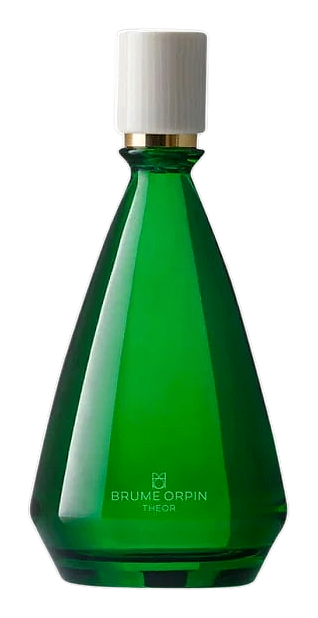
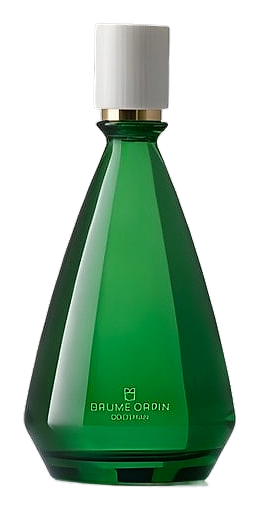
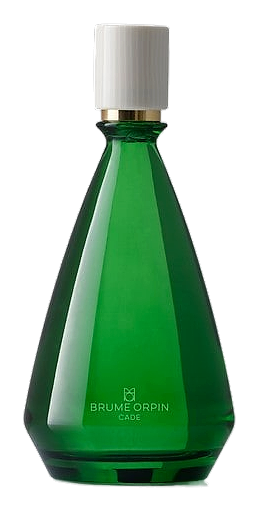
Cade enters the world as part of Brume Orpin's Acte I collection, a debut range from the French label. The composition sits squarely in the brand's ethos of haute parfumerie. Leslie Gauthier, the perfumer behind the formula, builds around cade oil, a material distilled from Spanish cade juniper. Gauthier leans in. The result is a fragrance structured around that softened, leathery smoke, propped up by carrot seeds and Spanish white thyme for an earthy, sun-warmed opening. The whole thing reads like a scent built around memory, a Mediterranean afternoon distilled into something you can wear, without tipping into vintage pastiche. The smoke does the heavy lifting here.
Cade oil is the gravitational centre, and it's a bold choice. The material smells of burnt rubber, smoked wood, and something almost medicinal, closer to a creosote fence than a perfume note. It's the kind of ingredient that can easily dominate a composition if left unchecked, turning a fragrance into a single-note smoke bomb. Here, the surrounding notes keep it in check. The carrot seeds add an earthy, rooty warmth that grounds everything, pulling the cade away from pure char and into something more vegetal.
The evolution
The opening belongs to aldehyde and thyme. There's a cool, almost metallic brightness layered over green herbal sharpness, the kind of first impression that reads more aromatic than woody. Carrot seeds hum underneath, adding that dry, rooty warmth, like sun-baked soil pulled up between your fingers. The aldehyde does something interesting here: it lifts everything, giving the herbs a sparkling, almost effervescent quality that makes the whole opening feel airy rather than dense. As the aldehyde settles, Egyptian jasmine starts pushing through. It's not the dewy, indolic jasmine of a soliflore. Here it's abstracted, filtered through thyme and smoke, reading more like warm linen than white flowers. The aldehyde keeps the jasmine lifted, almost sparkling, preventing the heart from sinking into sweetness. By the time the first hour passes, cade oil announces itself properly.
Cultural impact
Cade occupies a distinctive position in French independent perfumery: a composition built around cade oil, a material that most modern houses tend to sidestep entirely. It reads as a fall-and-winter fragrance, heavy enough for cold air but with enough aldehyde lift to keep it from going dense or claustrophobic. There's something inherently compelling about wearing a scent that smells like you've been near a fire recently. It taps into a kind of primal association with smoke and warmth, without veering into the obvious territory of incense or oud.