The Story
Why it exists.
The beginning
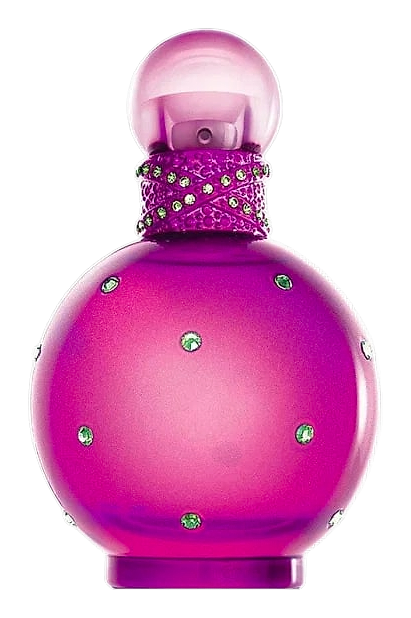
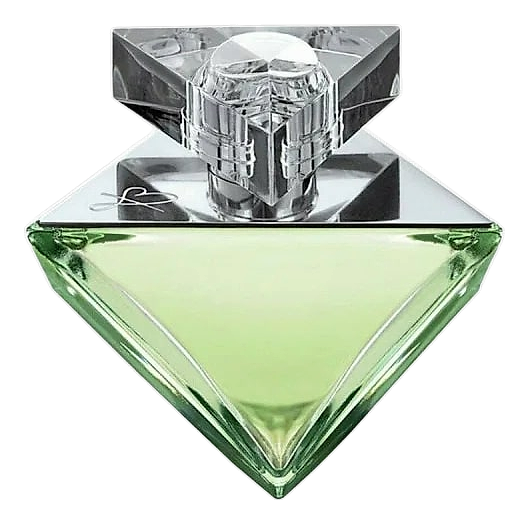
Believe arrived in 2007 as Britney Spears' second fragrance launch that year, not a replacement for Fantasy, but a companion. The visual language shifted. Where Fantasy wore its pink-and-white stripes like a gift, Believe came in a triangular bottle of straight, sharp lines. Green glass. Green packaging. A different posture entirely. The promotional slogan cut clean: "The greatest freedom is to believe in yourself." Loc Dong handled the composition. The brief, apparently, was simple: tropical, floral, warm, and confident.
What makes Believe interesting is the praline. Here, praline isn't frosting, it's the base. It pushes patchouli toward something almost edible, while still keeping the earth. The result is sweet enough to flirt, grounded enough to last. It's the difference between someone who says the right thing and someone who means it.
The evolution
Guava hits first. Bright, tart, almost aggressive in its tropical honesty. Tangerine follows, waxy sweetness, a citrus edge that cuts through the guava's richness. The top is brief and punchy, the kind of opening that announces itself without asking permission. The florals arrive next, carrying warmth and confidence. Honeysuckle is the soft one, nectar and sweetness, the smell of summer evenings. Linden blossom is stranger, less common in mainstream perfumery, with a honeyed-green quality that recalls tea. These two carry the heart, and they carry it warmly. Patchouli enters the base, softened by the praline that surrounds it, by the amber that backs everything. The drydown is Believe earning its name. Praline, amber, patchouli. Warm, sweet, grounded. The patchouli keeps the sweetness honest. The amber keeps the praline from becoming candy.
Cultural impact
Believe arrived at a moment when Britney Spears' fragrance line had already captured significant attention. Fantasy had achieved notable commercial success. Believe positioned itself differently, less overtly sweet, more grounded, aimed at young and romantic girls. The promotional message mattered as much as the scent. "The greatest freedom is to believe in yourself" was a promotional line, but it carried weight for a young audience navigating questions of identity and self-definition. Self-ownership was becoming its own form of currency, and Believe spoke to that aspiration.