The Story
Why it exists.
The beginning
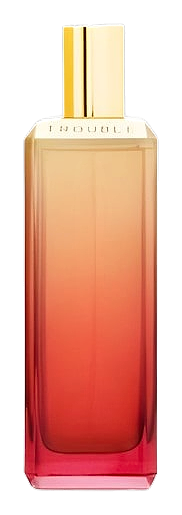
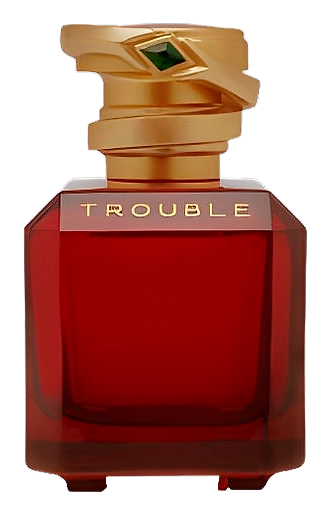
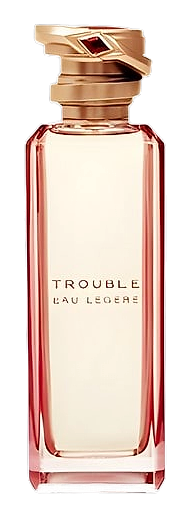
The Trouble collection emerged from Boucheron's 2005 flirtation with sensuality and restraint. Where its sibling perfumes made statements, Trouble Eau Légère chose a whisper. The name itself carries a contradiction, trouble should be disruptive, but this version threads softness into the scandal. It translates the jewelry house's sculptural precision into something you wear close to the skin, not across a room.
What makes this composition interesting is its restraint. The bergamot top doesn't punch, it shimmers. The lotus heart isn't the heady white floral of many orientals; it's aquatic, almost cool, like morning mist over still water. And the vanilla base earns its place not through richness but through patience. It's there, warm and unobtrusive, when everything else has settled. The air accord in the heart is the tell, that ozonic quality some call fresh, others call synthetic, but everyone notices.
The evolution
The opening hits bright and citrusy, bergamot without the edge, softened immediately by something the research calls "fresh notes" and reviewers call "strange air" or "snow." That ozonic quality divides opinion. Thirty minutes in, the lotus arrives. It doesn't bloom so much as float, aquatic, clean, almost colorless. The transition from citrus to floral happens without drama. By hour two, the vanilla starts to ground things. It's not a bold vanilla, more suggestion than statement. Musk follows, settling into skin, turning the fragrance from something you spray into something you wear. The drydown reads as clean skin, warm skin, the ghost of perfume rather than the perfume itself. It lasts 6 to 8 hours on most skin types, though dry skin may find it fades faster.
Cultural impact
Trouble Eau Légère occupies a specific niche: the light oriental that doesn't demand attention. Its reception splits between those who appreciate the subtlety and those who wanted more. The 2005 launch positioned it as the quieter sibling in the Trouble collection, a counterpoint to louder orientals of that era.