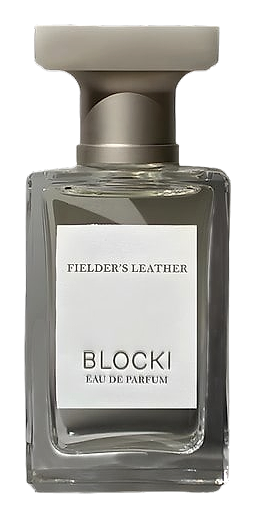

The Story
Why it exists.
The beginning
Fred Blocki loved baseball so much that in 1914 he and a group of Chicagoans made an offer to buy the Cubs. They struck out, the team went to the owner of a ballpark known today as Wrigley Field. The festive atmosphere of game day became the olfactive inspiration for Fielder's Leather. Perfumer Lionel Nesbitt translated this memory into scent: sun-warmed leather mitts, bluegrass fields, the communal breath of a crowd at the grandstand. It's a fragrance that captures what Americans have always loved about the sport, not the statistics, but the sensory experience of being there.
Lionel Nesbitt built Fielder's Leather around a paradox: baseball is both rough and tender. The leather isn't the cold, commanding kind, it's the kind that remembers every catch, every throw, every kid who's worn it since T-ball. The wildflowers in the heart note keep it from getting heavy, reminding you that this sport is played in open air, on real grass, under a sky that doesn't care who wins. The citrus top note is that first breath of optimism when you walk through the gate, still early, the field is empty, anything could happen.
The evolution
The opening hits like morning sun through stadium gates, bergamot and green mandarin sharp and bright, immediately warm. Within minutes the leather arrives, not bold but present, sliding in beside the citrus like a player who's been warming up on the sideline. The wildflowers appear around the 20-minute mark, softening the whole composition into something pastoral, almost nostalgic. The drydown is where this fragrance earns its name: amber and atlas cedar settling into skin like the warmth of a leather mitt left on the dashboard. Vetiver grounds it, keeps it from going sweet. On fabric, it lasts through an afternoon game and into the drive home.
Cultural impact
Fielder's Leather enters a fragrance landscape dominated by European heritage houses and Middle Eastern oud traditions. As an American leather scent grounded in baseball nostalgia, a sport with deep cultural roots in the US, it occupies a specific niche that no European house can authentically claim. The fragrance draws wearers who want scent as memory rather than status signal.