The Story
Why it exists.
The beginning
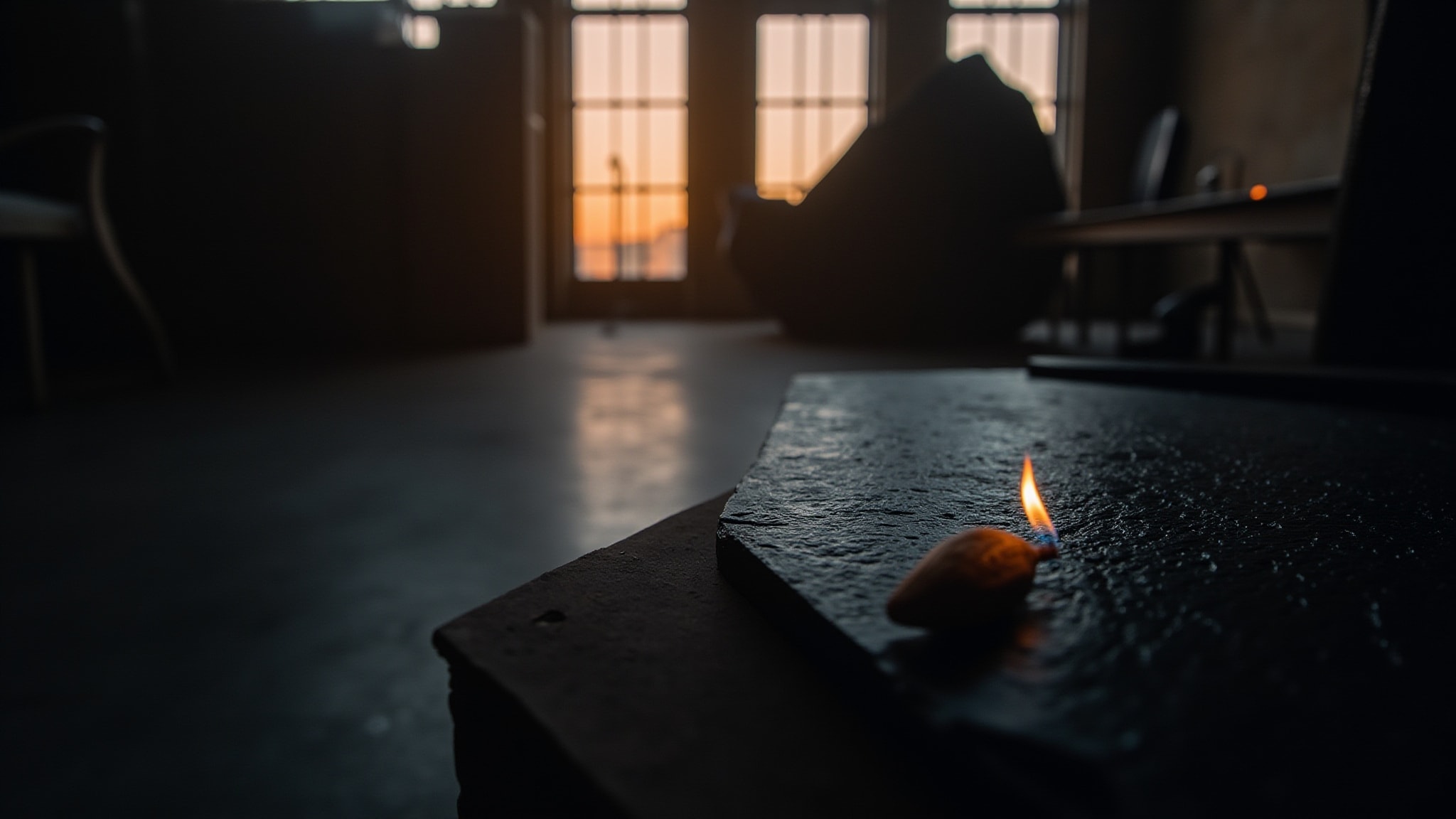
Inferno takes its inspiration from a cold, stormy night, a scene where warmth presses back against the surrounding chill. The Black Phoenix Alchemy Lab composition is built around that image of heat contained, translating the idea of fire held inside walls into a wearable language of spice and resin. The cinnamon and bitter almond at the top set the ferocity of the flame, sharp enough to taste before you smell it. The spices and neroli at the heart give it the slow, lingering warmth that defines a long evening indoors, that particular heat that sinks into skin rather than rushing away. It is a fire built for shelter, not a bonfire built for spectacle.
What makes the composition interesting is how the top notes do double work. Cinnamon brings the heat, that immediate burn you feel on the tongue before the scent even settles. Bitter almond adds a marzipan edge, slightly sweet and faintly medicinal, the kind of note that keeps the opening from collapsing into straight kitchen spice. Neroli threads through both, lifting the brightness and adding a floral lift that prevents the warmth from becoming too heavy before the heart arrives.
The evolution
The first 15 minutes are all fire and friction. Cinnamon stings the nostrils, bitter almond adds a sharp, almost liqueur-like sweetness, and neroli sits underneath like a thin veil trying to tame the blaze. Bright enough to make you check the air around you. By the 30-minute mark the spices arrive in full, and the opening burns off into something warmer, more meditative. The character at this stage leans toward mulled wine, steeped bark, and the dust of a spice jar left open too long. From 1-3 hours the composition settles. The neroli has receded, the bitter almond has mellowed into something almost nutty, and what remains is a warm spicy softness that clings without shouting. It does not project across a room. It does not need to. By the end of the wear the scent has become the ghost of the opening, a memory of cinnamon and spice softened by the warmth of skin.
Cultural impact
Inferno holds a steady place among the warm-spicy compositions that lean toward atmosphere and mood over projection. It belongs to a category of scent where the goal is intimacy, a fragrance that registers more on the wearer than on everyone in the room, and where the spices and resins do the storytelling on their own terms. The character leans devotional without being literal, the kind of scent that works in cold air and dim light, when heat feels earned rather than ornamental. Wearers tend to choose it for its closeness, the way it sits on the skin like a held breath rather than a broadcast.