The Story
Why it exists.
The beginning
Bilquis is one of the scents in Black Phoenix Alchemy Lab's ongoing collaboration with Neil Gaiman, specifically a 2017 chapter of the brand's American Gods collection. The fragrance takes its name from the Queen of Sheba as reimagined in the novel, a half-demon queen who stands on Sunset Boulevard at two in the morning, ancient and mundane at once, goddess and "slutty plastic bride" on the same strip of sidewalk. The composition was made by Elizabeth Moriarty Barrial, who is listed as Brand owner and Perfume maker, alongside Brian Constantine, who is listed as Perfume maker, working from the source material's collision of the sacred and the jarringly present.
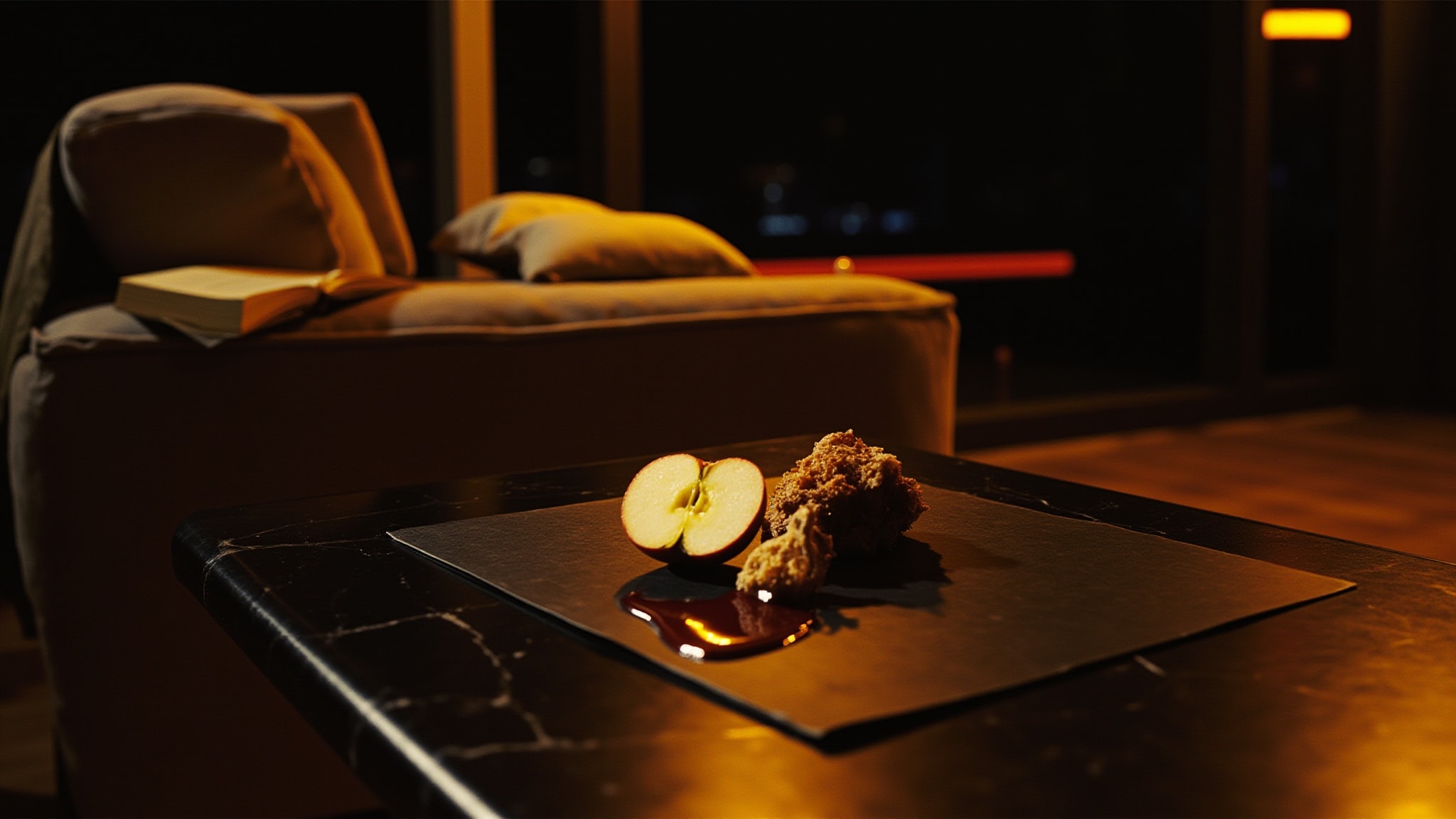
What's notable is the note selection. Honey opens sweet and almost syrupy before settling into something denser, edged by almond's faint bitterness. Rose otto drifts in alongside, giving the composition a powdery, slightly waxy depth that softens every sharp edge. Myrrh hums just beneath, resinous and warm, pulling the blend toward something older and stranger. Fig leaf adds a green snap, cracking through the denseness with something fresh and slightly sappy, while red apple brings a clean fruitiness that keeps the sweetness from going syrupy.
The evolution
The first ten minutes are almost entirely red apple, crisp and brief before it surrenders to something warmer. Honey arrives next, waxy and unhurried, threading through almond that rounds every edge it touches. Fig leaf flickers beneath, a green snap that keeps the sweetness honest. By hour two, myrrh settles in low and resinous, and rose otto passes through like a stranger crossing a room, present for half a beat before it's gone. What remains is the honey-almond-myrrh spine holding steady for the duration, neither deepening nor fading, just warm. The next morning, it's ambrette's soft musk, a residue more than a presence, intimate and unfussy.
Cultural impact
Bilquis belongs to the niche where literature and fragrance genuinely intersect, a perfume that arrives carrying the weight of its source material rather than standing alone as an abstract composition. It exists at a crossroads between two audiences: readers who come to it through the novel, and scent-driven collectors who find themselves reading Gaiman backward because the bottle intrigued them. The American Gods series has become something of a touchstone for fans who want fragrance with narrative ballast, and Bilquis, as one of the central characters reimagined in scent form, carries particular weight.