
The Story
Why it exists.
The beginning
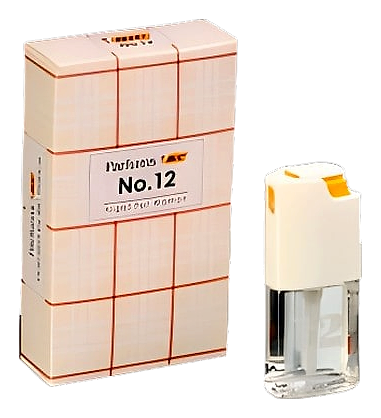
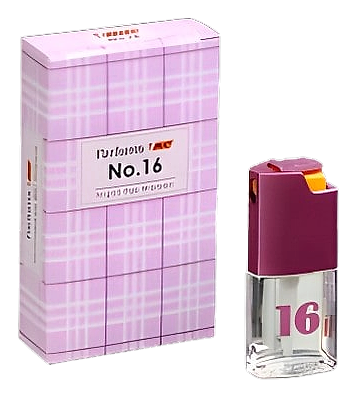
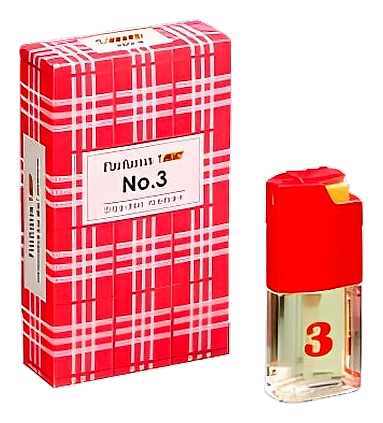
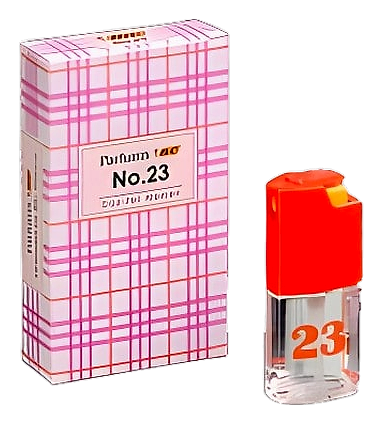
In 1988, BIC applied its mass-market philosophy to perfumery, launching a collection of four fragrances with the same practicality that made their pens and lighters household names. BIC Nuit arrived in a practical bottle shaped like a cigarette lighter, a nod to the brand's other essential objects. Working with Firmenich, the house created an oriental floral for women who wanted warmth and character without the theater of luxury perfumery. The name Nuit, night, promised something more intimate than the daytime Jour, a shift into evening warmth where florals and spices could deepen.
The composition leans on ylang-ylang's golden, slightly heady sweetness as its anchor, supported by tangerine's bright citrus that cuts the richness without fighting it. The spices add an oriental lift, warm, resinous, and just complex enough to keep skin interesting. What makes Nuit work is its restraint: this isn't trying to be the most impressive fragrance in the room. It's trying to be the one that stays close and smells like you actually live in the world.
The evolution
The opening hits clean and citrus-forward, tangerine bright, almost juicy, with a freshness that feels less like a perfume note and more like something real. Within minutes, the ylang-ylang moves in and softens everything, bringing its characteristic creamy, tropical warmth that pushes the citrus into the background. The transition is smooth, almost gentle. Then the spices arrive: warm, dry, slightly exotic. They don't storm in, they settle, becoming the longest-lasting phase, a quiet amber-and-spice warmth that holds on skin for hours. What surprises is how clean it feels by the end. No heaviness, no residue. Just warmth that fades on its own terms.
Cultural impact
BIC Nuit exists in an interesting space: a mass-market designer fragrance from a brand known for pens and lighters, built with professional expertise from Firmenich. It's not trying to rival niche houses or justify a three-figure price tag. It's a warm, spiced floral that works without asking for effort. That practicality has its own quiet appeal, and its own quiet critics.