














Heritage
A house, in its own words
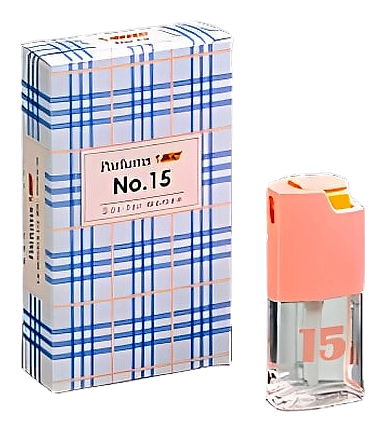
The Society BIC traces its roots to 1945, when Marcel Bich and Édouard Buffard established the company in Clichy, France. Marcel Bich, a French aristocrat, had previously worked in the textile industry before identifying an opportunity in disposable writing instruments. The company specialized in manufacturing ballpoint pens at a time when such instruments remained expensive luxuries. By producing affordable, reliable pens, BIC transformed daily essentials into accessible commodities. The company expanded its portfolio to include disposable lighters in the 1970s and disposable razors shortly after, building a global empire on the premise that simple, functional products should cost less. BIC went public in 1972 and grew into a multinational corporation with manufacturing facilities and distribution networks worldwide. The decision to enter perfumery in the 1980s represented a strategic diversification, leveraging the company's brand recognition and manufacturing capabilities. Rather than building dedicated perfumery expertise, BIC contracted with Firmenich, a Swiss fragrance house, to develop its scents. The company vertically integrated production, controlling manufacturing from start to finish. The 1988 launch of Bic Jour and Bic Nuit marked the perfume line's debut, though financial records suggest the venture did not achieve the success the company had projected. BIC applied its mass-market philosophy to perfumery, treating fragrance as another everyday product rather than a luxury object. Where traditional fragrance houses emphasized artisanal craft and exclusivity, BIC sought to offer recognizable scents at accessible price points. The company reportedly aimed to replicate the affordability model that worked for pens and lighters, reasoning that consumers might respond similarly to budget-conscious perfume options. This approach reflected BIC's broader corporate identity as a democratizer of daily essentials. The brand did not position itself as a niche perfumer or artistic collaborator; instead, it marketed straightforward fragrances through established retail channels. The philosophy extended to production decisions, with BIC choosing vertical integration to control costs and maintain consistent quality across high-volume output.