
The Story
Why it exists.
The beginning
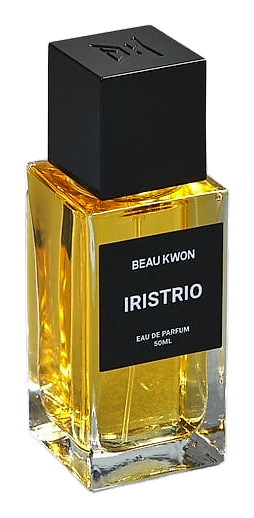
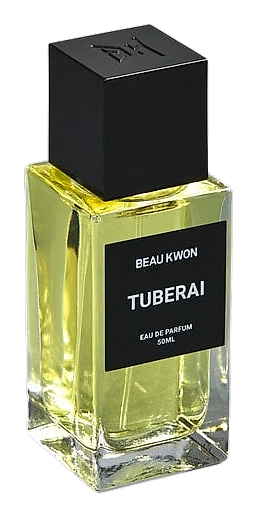
The name Tuberai folds tuberose into something larger, a floral given weight and destination. Beau Kwon emerged with a clear argument: florals don't belong to gender, and the most interesting compositions happen when you stop asking what a note is supposed to smell like. Perfumer Inaba Tomoo built Tuberai around that tension, the tuberose is unmistakable, creamy and heady, the kind of white floral that announces itself. But it's held by tobacco, grounded by leather, threaded with frankincense. The floral doesn't float away. It stays, insists, arrives before you do. The 2018 release landed as part of a three-fragrance debut, Iristrio, Mimosun, and this one, each taking a different floral and refusing to apologize for it.
What makes Tuberai work is the counterbalance. Tuberose on its own is seductive, almost aggressive in its sweetness, indolic, creamy, the olfactory equivalent of white petals at dusk. The tobacco doesn't fight it. It wraps around it, adds a smoky warmth that makes the sweetness read as intentional rather than accidental. Leather and frankincense then do the structural work: leather adds texture, a worn-in quality that keeps the florals from reading as decorative. Frankincense, olibanum, the resin used in sacred contexts, elevates without ceremony. The result is a composition that feels earned rather than assembled, a tuberose that knows why it's beautiful and doesn't need you to agree.
The evolution
The opening announces itself immediately. Creamy, almost lactonic, a white floral that doesn't pause at the threshold. This is tuberose in its full indolic expression, the kind that makes people stop and ask what they're smelling. Within the first hour, tobacco arrives. It doesn't overpower, it deepens, adds warmth and a faint smoky sweetness that makes the florals feel less like a statement and more like a mood. Leather appears mid-drydown, subtle at first, becoming more present as the top florals begin to recede. It's not the sharp leather of a new bag. It's softer, worn-in, almost dusty. Frankincense threads through the entire composition but becomes most legible here, adding an aromatic, slightly balsamic quality that elevates the tobacco without competing. By hour three or four, the florals have largely settled. What remains is warm resin, sandalwood and frankincense, with a ghost of tobacco sweetness that clings close to skin. The sillage drops from moderate to intimate, projecting only within arm's length, but what it leaves behind is lasting.
Cultural impact
The fragrance landscape included plenty of florals and plenty of conventional compositions, but Beau Kwon's approach, deliberately gender-transcending, landed in a specific conversation. Tuberose in this kind of composition was less common then than it is now. Tuberai offered a third option for those who found traditional fragrances too predictable. The reception among those who found it skewed positive: the frankincense-tobacco structure read as both familiar and unexpected. It sits early in a broader conversation about how fragrance can refuse easy categorization.