
The Story
Why it exists.
The beginning
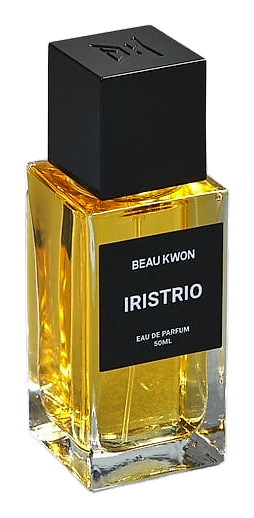
Iristrio takes its name from the iris itself, the flower that inspired the composition. Beau Kwon, founded in the San Francisco Bay Area in 2017, released its debut collection of three fragrances simultaneously in 2018. The "trio" in Iristrio refers to the flower's physical structure: three petals reaching upward, three falls descending. But it also points to the scent's three facets, powdery, creamy, earthy-woodsy, that the brand identified as the iris's defining character. Perfumer Neal Peters built the fragrance around one of perfumery's most expensive materials: orris root, which requires three years of curing before the root of the iris flower becomes usable. Dry amber, Mysore sandalwood, and cedarwood complete the structure. The trio became a full composition.
What makes Iristrio stand apart is the inversion of expectation. In most fragrances, orris root plays a supporting role, the quiet earthiness that smooths over sharper notes. Here, it's the foundation everything else builds from. The brand's decision to position a masculine floral around iris as the primary accord rather than a decorative element is deliberate. The cedar and sandalwood don't try to mask the floral; they frame it. The result is a powdery-woody fragrance where the florals feel structural rather than ornamental, and where the woods feel warm rather than heavy.
The evolution
The opening is immediate: iris and orris root arrive together, the violet-powder softness meeting the earthy, slightly bitter root with a faint mineral quality underneath. There's a waxy quality to it, the smell of the inside of a flower stem. The amber takes about an hour to surface, but when it does, it doesn't overwhelm. It warms without sweetness. Within two hours, the cedar begins to assert itself, dry, slightly resinous, taking over the drydown from the iris. The sandalwood lingers in the background, soft cream underneath the dry wood. The iris doesn't disappear; it retreats into the base, still present but quieter. The amber fades last. What remains on skin after four hours is cedar, a ghost of sandalwood, and the faintest trace of powder. The sillage shifts from moderate to intimate, noticeable when someone is close, invisible from across the room. On fabric, the cedar holds longer. On skin, the amber warmth lingers closest.
Cultural impact
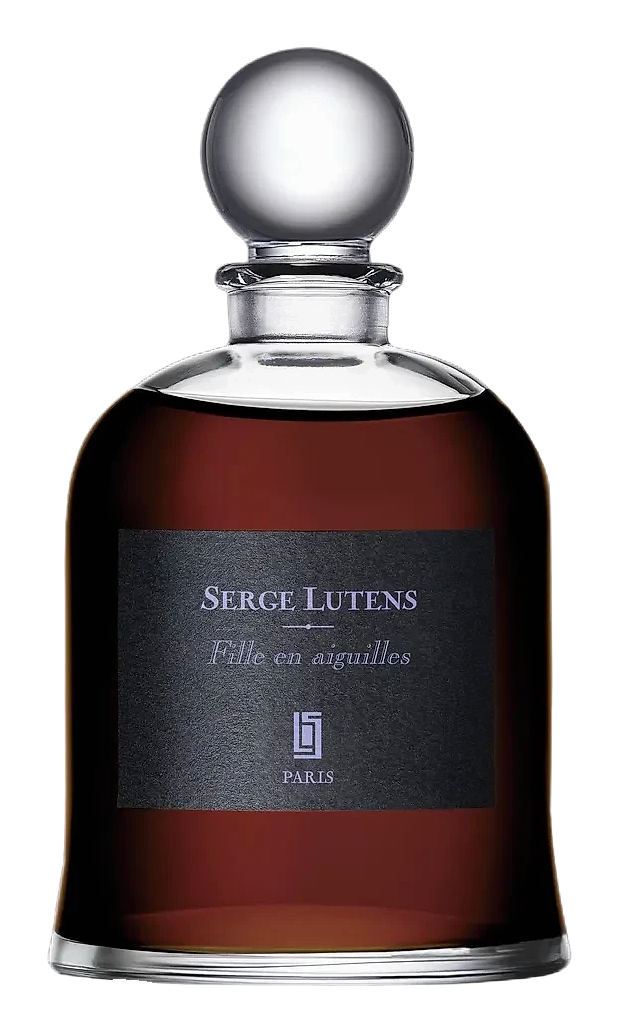
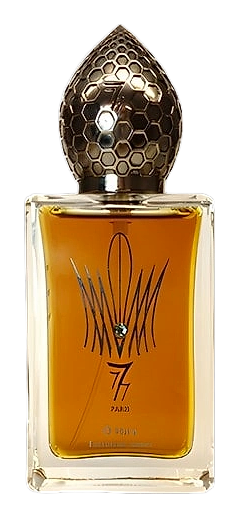
Iristrio sits in a niche corner of gender-disruptive perfumery, powdery and floral, but built on masculine woods. The "triuno in nature" concept (the iris flower's three petals and three falls) gave the brand a structural metaphor for the fragrance's three facets: powdery, creamy, earthy-woody. For wearers who want iris as a lead rather than a background, this is one of the fewer options that delivers that inversion. The comparison points, Chergui, Fille en aiguilles, are both Serge Lutens, suggesting Iristrio occupies similar territory: complex, slightly dusty, floral-forward woods with a quiet confidence.