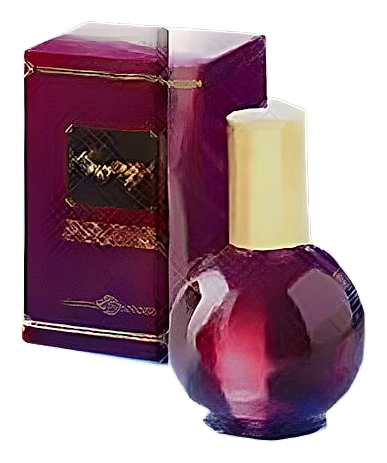

The Story
Why it exists.
The beginning
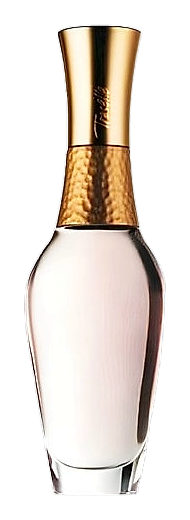
Tapage landed in 1993 with a name borrowed from the French word for disturbance. Perfumer Jean-Pierre Subrenat built it for Avon, a house known for warm, approachable florals, and then made something that didn't quite fit. The name wasn't accidental. It was a declaration. Subrenat chose notes that would announce themselves: peach, jasmine, orchid. Sweet enough to pull people in. But underneath, the woody accord and the olive blossom introduced a different register entirely, cooler, almost astringent, like biting into a peach pit rather than the flesh. Avon asked a question with this fragrance: what if accessible meant something that demanded attention rather than asked politely?
The heart of Tapage is a contradiction. Jasmine and orchid are classic feminine notes, everyone uses them to signal softness and romance. But here they arrive with a woody skeleton that refuses to disappear. And the olive blossom is the real tell. It's not a common perfumery material. It reads slightly green, slightly bitter, and it does something unexpected inside all that sweetness: it makes the florals feel three-dimensional rather than flat. Vanilla and musk come in late, smoothing everything out. But they don't soften the stern note. They contextualize it.
The evolution
The opening doesn't whisper. Peach nectar arrives immediately, almost dripping with ripeness, and the jasmine follows close behind. Within minutes the orchid blooms, lush, lactonic, sugared. You smell this from your own wrist before you've even finished applying it. Twenty minutes in, something shifts. The woody accord surfaces through the sweetness like a bassline you didn't notice until it asserted itself. And the olive blossom? It's subtle, but it's the detail that prevents this from becoming another generic floral. It adds a faint green-bitter edge that keeps the composition honest. By the third hour the jasmine begins to recede and vanilla cream moves in, wrapping around the woody notes and musk into something warmer, powderier, closer to the skin. The sillage drops from noticeable to intimate. The drydown lasts into the next morning on fabric, vanilla dust and a whisper of peach that lingers longer than the opening ever suggested it would.
Cultural impact
Tapage circulated through Avon's direct-selling network, it was the kind of fragrance passed from hand to hand, recommended by someone who knew your taste. In the era before online reviews, that word-of-mouth reach was significant. The composition itself drew comparisons to Dior Poison among those who encountered it: bold, assertive, floral in a way that read as statement rather than background.
The House
AvonAvon began as a perfume house in the United States and grew into a global direct‑selling network that still places fragrance at its core. The brand offers a range of scents that span classic launches from the 1950s to contemporary releases in the 2020s. Avon’s products reach customers through a personal sales model that emphasizes community and accessibility, making scented experiences a routine part of everyday life.
The Creator
Jean-Pierre SubrenatSubrenat favors structured compositions with clear architectural development. He builds fragrances in layers, ensuring each phase from opening to drydown serves a purpose.