Jean-Pierre Subrenat
Jean-Pierre Subrenat belongs to a generation of perfumers who witnessed the profession evolve from craft to industry. He trained in Grasse, studying chemistry before apprenticing under established noses, absorbing the rigorous methodology that French perfumery demanded. At 26, he achieved what many perfumers spend decades chasing: the creation of Le Male for Jean Paul Gaultier. The 1995 launch became one of the world's most successful men's fragrances, its sailor-stripe bottle matching a scent that balanced virility with unexpected softness. That early breakthrough opened doors to major houses, where Subrenat contributed to fragrances including Rive Gauche, Opium, Poison, and Obsession. He later co-founded The Different Company, serving as the house's first nose. There, he championed natural raw materials at a time when the industry increasingly relied on synthetics. His voice in the profession carries the weight of someone who remembers when perfumers worked more intimately with formulators, and who has navigated the pressures of commercial perfumery without abandoning artistry.
The hits
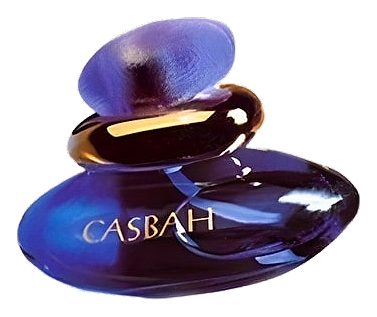
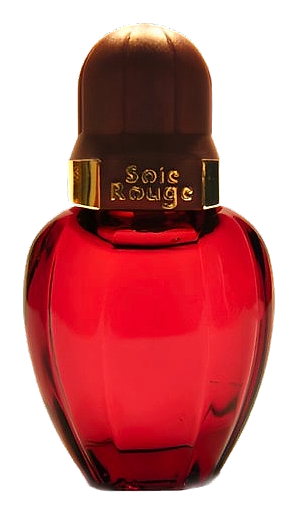
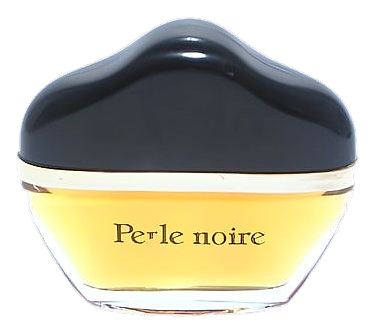
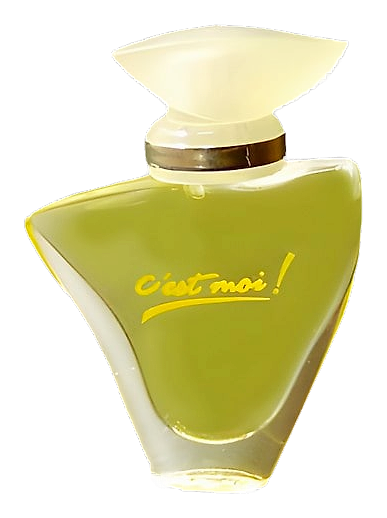
Notable creations
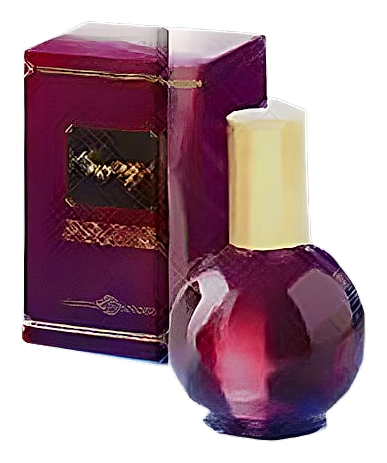
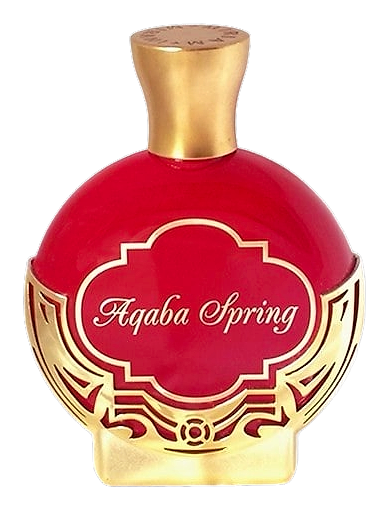
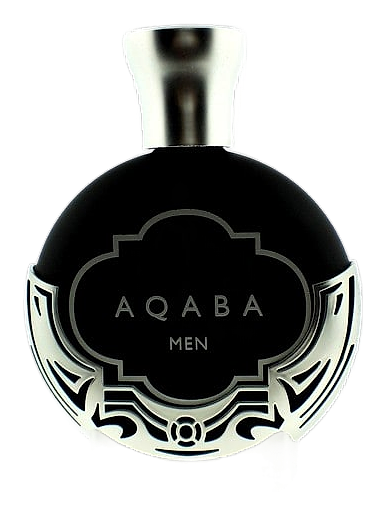
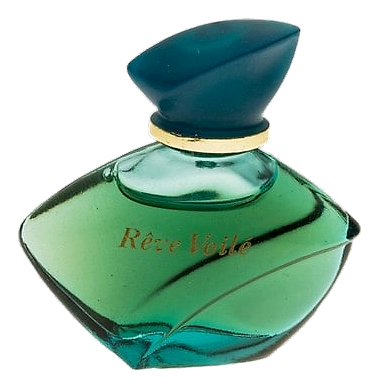
The signature
How Jean-Pierre composes
Subrenat favors structured compositions with clear architectural development. He builds fragrances in layers, ensuring each phase from opening to drydown serves a purpose. His preferred materials include classic naturals like sandalwood, jasmine, and rose, used with restraint rather than abundance. He tends toward moderate sillage, creating presence without projection that overwhelms. The result feels contemporary yet rooted, avoiding both retro clichés and trend-driven excess. His work maintains wearability across occasions, refusing to sacrifice comfort for impact.
Philosophy
What drives Jean-Pierre
Subrenat approaches fragrance as something people live with, not merely admire. He focuses on how a scent behaves throughout the day, how it interacts with skin, how it makes someone feel in ordinary moments. Natural raw materials appeal to him because they offer complexity that synthetics often cannot replicate, though he does not dismiss modern chemistry. He creates for wearers rather than critics, prioritizing emotional resonance over conceptual statements. This grounded perspective shapes his decisions: he asks whether a fragrance will matter to someone applying it each morning, not whether it will win awards.