The Story
Why it exists.
The beginning
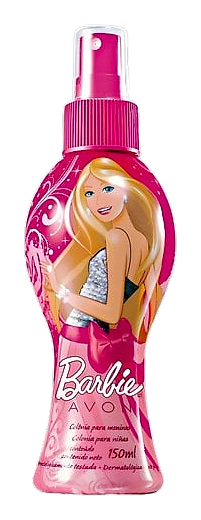
Barbie Colônia arrived in 2010, carrying the weight of a name that means something specific, nostalgia, playfulness, the unabashedly feminine. Avon built its fragrance identity on accessibility, on the idea that a good scent shouldn't require a trip to a boutique or a consultation. This launch fit that mission perfectly: a sweet, fruity, floral composition with mass appeal and a recognizable name. The Barbie connection wasn't subtle, and it didn't need to be. It was an invitation.
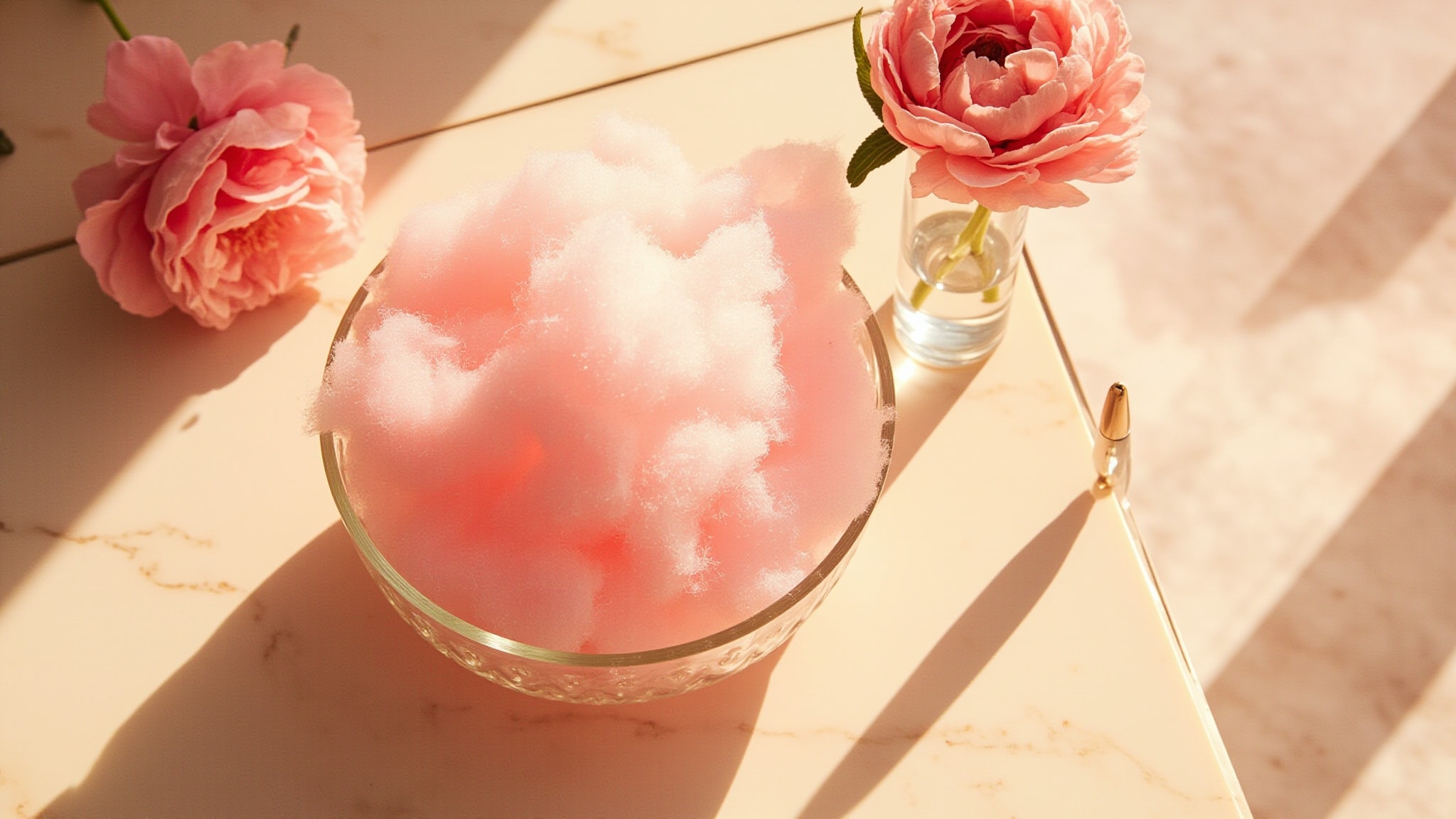
What makes this composition interesting is the restraint underneath the sweetness. Raspberry opens bright and juicy, but it's not shouting, it's the first note in a conversation that gets warmer as it goes. Cotton candy brings that fairground fun without tipping into synthetic territory. Gardenia and rose together create a floral heart that feels classic rather than juvenile. The vanilla base is soft, powdery, close to the skin. It's not trying to throw itself across a room.
The evolution
The raspberry opens clean and immediate, fruit without the tartness, sweetness without the bite. Within minutes the cotton candy emerges, and with it the shift from bright to soft. The gardenia and rose arrive next, tempering the sweetness with something floral and slightly powdery. By the mid-point, the composition has settled into its warmest register. The drydown is all vanilla, quiet, warm, close. It doesn't project. It lingers, intimate, for hours after the initial application. The payoff is the staying power of that vanilla base, which holds on long after the florals have faded.
Cultural impact
Barbie Colônia arrived in 2010 during a pivotal moment when the Barbie brand was expanding beyond fashion dolls into lifestyle products, including cosmetics and fragrances, to reach adult consumers who had grown up with the brand. Avon positioned this fragrance as an accessible entry point into the Barbie universe, leveraging the brand's instantly recognizable pink aesthetic and playful femininity. The launch coincided with Barbie's broader cultural push in the 2010s, which included diverse body types and career dolls, reflecting shifting cultural conversations around representation.