The Story
Why it exists.
The beginning
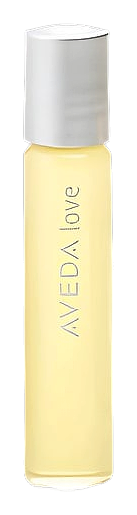
In 1980, Aveda released its first fragrance: a pure-fume oil designed as an aromatic bath additive for meditative rituals. Founder Horst Rechelbacher had spent years studying Ayurveda in India, and that philosophy shaped everything, the idea that scent could calm the mind, ground the body, restore a sense of balance. Aveda Love was conceived as something you dissolved into bathwater, a sensual aroma meant to transform a daily routine into a ritual of intention. The perfumer Ko-ichi Shiozawa worked within that framework: botanical materials, aromatic wellness, and a composition that felt indulgent without being aggressive. Forty-five years later, that original brief still shows. This isn't a fragrance that performs. It asks you to slow down.
The structure pulls from a classic feminine vocabulary, rose, jasmine, ylang-ylang, layered over a woody sandalwood base. Nothing revolutionary in the pyramid. What's interesting is the ratio: ylang-ylang doesn't whisper in the background here. It leads, carrying a tropical, almost animal warmth that can read as confrontational if you're expecting a polite floral. The rose and jasmine don't arrive immediately; they push through gradually, their sweetness tempering the ylang-ylang heat rather than diluting it. And the sandalwood, sandalwood takes its time. But when it settles, it owns the drydown completely, pulling everything into something creamy, woody, and quietly persistent.
The evolution
The opening is ylang-ylang heat, tropical, almost humid, a flower blooming in direct sun. This phase doesn't ask permission. For the first thirty minutes, it's the dominant presence, sweet and slightly animal, the kind of richness that could overwhelm if your skin chemistry pushes it. Then the rose arrives. Not a single petal, but the fuller warmth of rose in bloom, pressing against the ylang-ylang without displacing it. Jasmine follows shortly after, adding a night-blooming richness that deepens the floral heart. These two don't soften the opening so much as complicate it, sweetness layered over sweetness, but each one slightly different in character. By hour two, sandalwood begins its slow takeover. Creamy, warm, eventually the only thing left. The drydown on clothes the next morning smells like warm skin and something botanical, not floral anymore, just the memory of where the flowers were.
Cultural impact
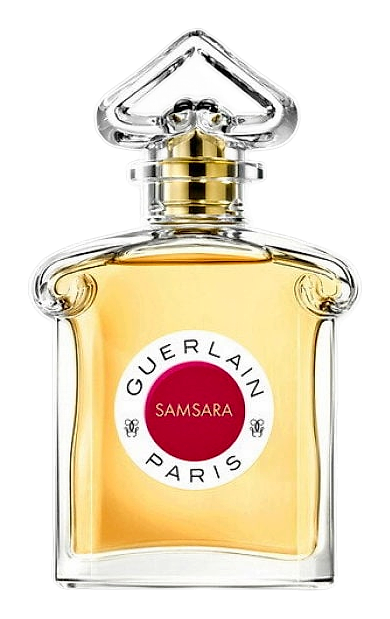
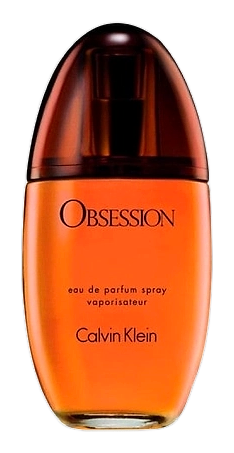
Aveda Love arrived during the early wellness movement, before aromatherapy became a beauty category. Rather than chasing fashion trends or seasonal launches, the brand built fragrance as an ongoing practice, something to return to, not refresh. Love fits that ethos precisely: no reinvention, no dramatic reinventions, just a composition designed to persist. The people who gravitate toward it tend to return to it for years, drawn by its botanical honesty and the way it shifts on different skin. It sits quietly next to Guerlain Samsara, Dior Dune, and Chanel Coco Mademoiselle in the community's fragrance comparisons, not as a competitor, but as a reference point for warm, woody florals with genuine staying power.