The Story
Why it exists.
The beginning
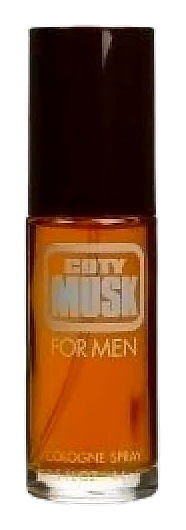
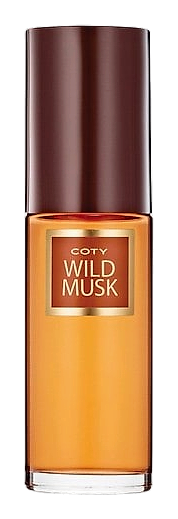
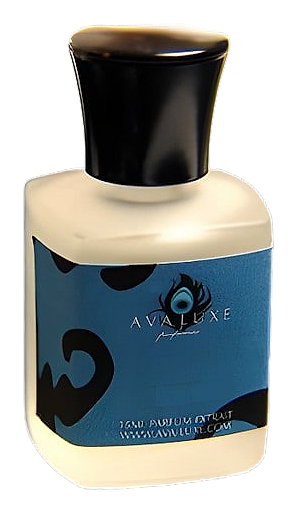
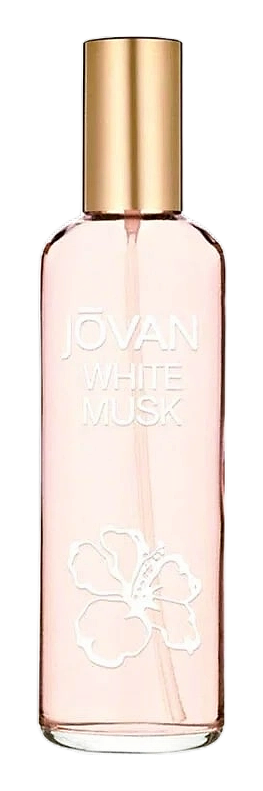
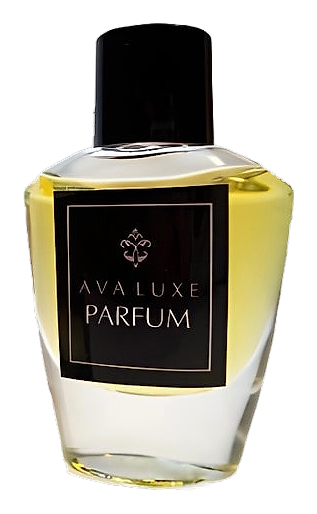
Dancing Queen arrived in 2000 from Ava Luxe, a composition built by perfumer Serena Ava Franco. It draws from the heavy, powdery musk fragrances that defined the late 1970s and 1980s, capturing that era's distinctive character in bottle form. The composition pulls from that period's love affair with animalic warmth, the slightly soapy florals that softened the edges of bolder statements, and the woody base notes that anchored everything long after the top notes faded. It is, in its own way, an homage to the queens who danced first and lived fully in the moment.
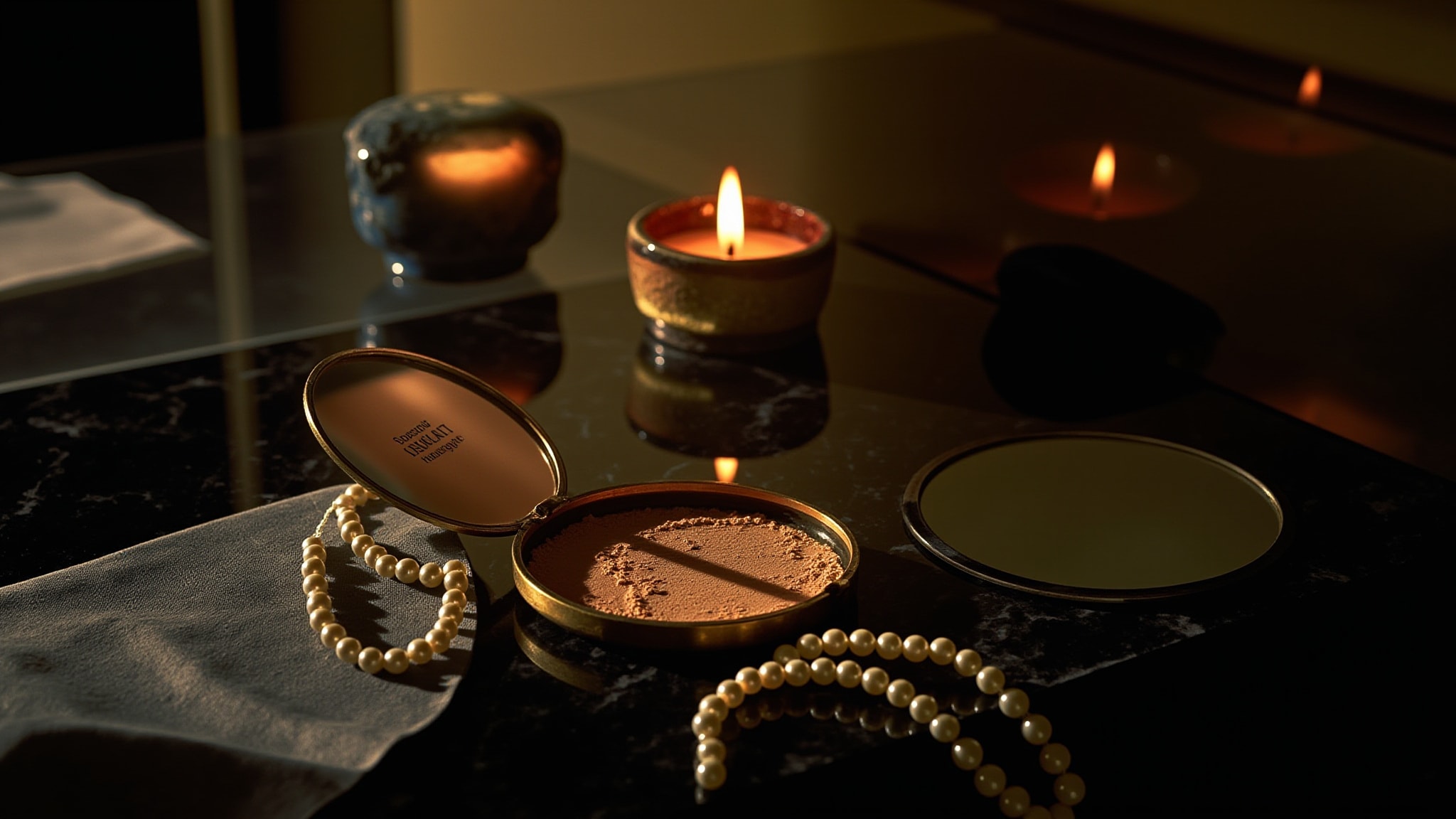
What makes this composition worth attention is how Franco balances the musk against its supporting notes rather than letting a single dominant accord take over the pyramid. The heart carries both white and animal-leaning musks, the base deepens with woody undertones, and the result is a fragrance that shifts between clean-skin warmth and something more feral depending on who's wearing it. The powdery accord running underneath isn't baby powder. It's the slightly metallic, face-powder-puff warmth that defined 1980s department store counters. The florals never announce themselves by name.
The evolution
The first thirty minutes are the most surprising phase. Powder hits first, that vintage face-powder warmth with a slightly metallic edge, followed by soft florals that feel more like atmosphere than ingredient. The musk arrives quietly underneath, warming everything from the bottom up. By the one-hour mark, the composition settles into its stride: the animalic side of the musk surfaces, the woods emerge, and the whole thing shifts from "someone wearing perfume" to "someone's apartment after they've taken it off." The drydown is where the woods take over completely. What's left on skin the next morning is a faint, skin-warm trail of sandalwood-toned musk that smells like it belongs to you now, not to the bottle.
Cultural impact
Dancing Queen sits in a small category of contemporary fragrances that deliberately resurrect the heavy, powdery musk character of the 1970s and 1980s, capturing an era when animalic warmth and department-store florals defined mainstream luxury perfumery. Wearers who grew up with that era's signature scents find it immediately familiar, almost nostalgic. The community of collectors who appreciate vintage-style musks have taken to it as a love letter to a forgotten chapter of perfumery. It wears like a reference point, not a reinvention.