The Story
Why it exists.
The beginning
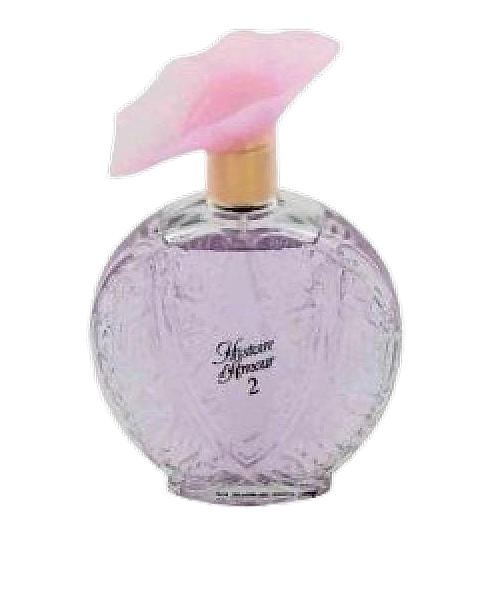
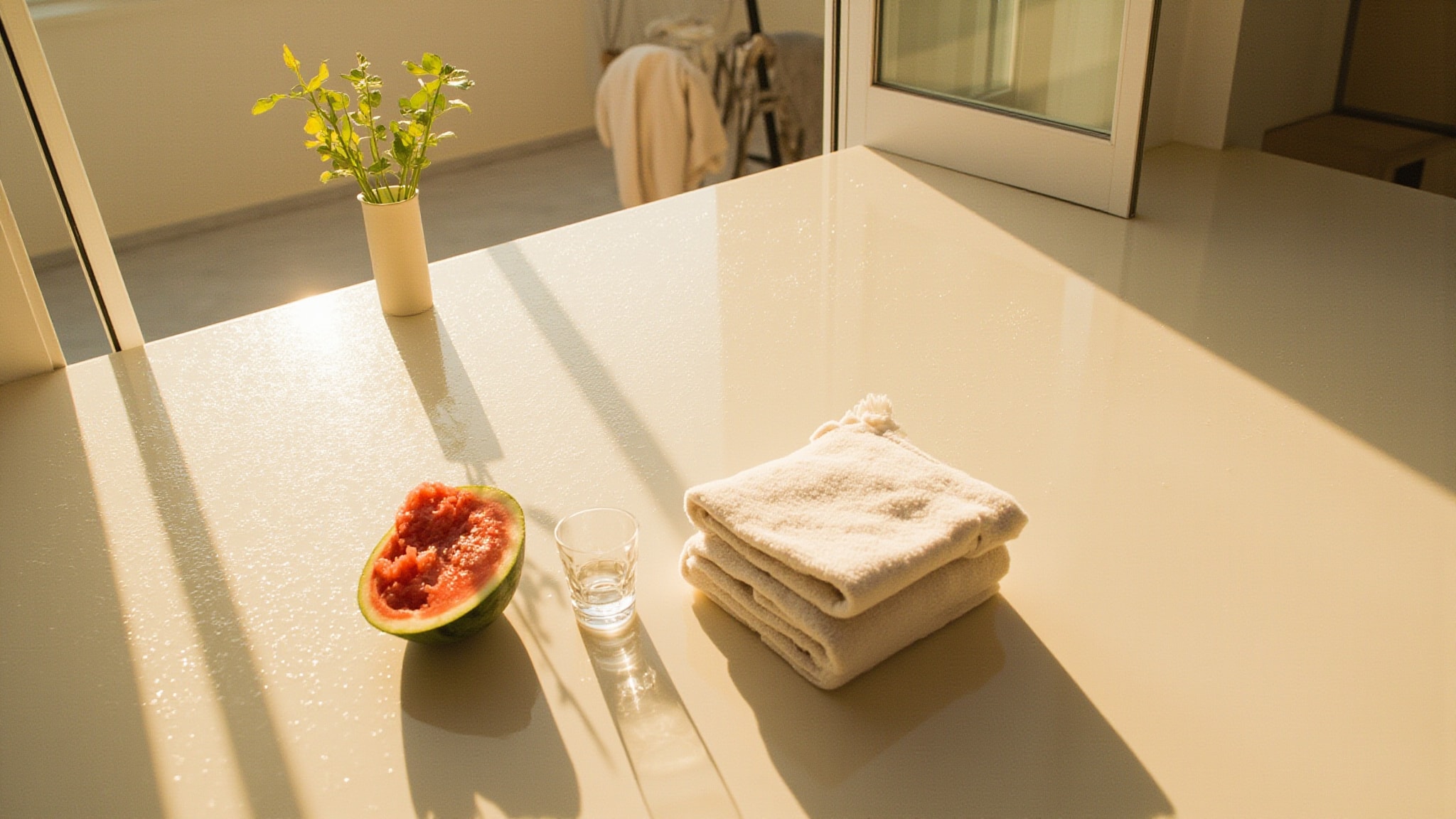
In 1984, Aubusson released its first fragrance, Histoire d'Amour, a rose-and-jasmine composition that established the house's quiet, classical voice. The 2003 flanker arrived with a different mandate. Rather than deepen the original's amber warmth, Aubusson's designers chose contrast: a lighter, fresher interpretation built around watermelon and ozonic air. The flanker concept was common in that era, take the house signature and bend it toward a specific season or mood. Here, the mood was summer afternoon. The execution was synthetic-fresh. It launched as a casual option, positioned away from the original's romantic depth, targeting wearers who wanted something uncomplicated and bright.
Watermelon in perfumery is almost always synthetic, the note doesn't extract from the fruit itself, so chemists recreate that crisp, watery sensation through aldehydes and ozonic compounds. What makes it interesting is the pairing: watermelon here meets raspberry, a fruit note that can read either jammy or bright depending on concentration. Lily of the Valley adds a cool floral thread, and lavender anchors the composition with its herbaceous, slightly medicinal edge. The result is a fragrance that reads as fresh and summery on paper, though the synthetic materials create a particular challenge: they can fade faster than natural oils, leaving the wearer with a scent that vanishes before it fully develops.
The evolution
The opening is immediate: watermelon, bright and clean, with an ozonic lift that feels almost like cold air. Within twenty minutes, the raspberry emerges, sweet but not heavy, a counterpoint to the watermelon rather than a reinforcement. Lily of the valley arrives next, threading its cool floral through the fruit without adding weight. The heart is brief. By the hour mark, lavender takes over, settling into a clean, slightly powdery drydown that stays close to the skin. What surprises is the quietness of it all: no dramatic drydown, no material that outlives the rest. Just a scent that arrives, announces itself briefly, and fades before you can decide whether you love it.
Cultural impact
Histoire d'Amour 2 never built the reputation of its predecessor. Discontinued shortly after launch, it exists today as a collector's footnote, a curiosity for those who explore the brand's full catalog. One reviewer called it 'a watery raspberry lemonade, completely forgettable.' That's harsh, but not inaccurate. The fragrance lacks the depth to linger in memory, yet its ozonic-fresh character offers something worth understanding: the challenge of synthetic-fresh perfumery, where brightness often comes at the cost of longevity.