The Story
Why it exists.
The beginning
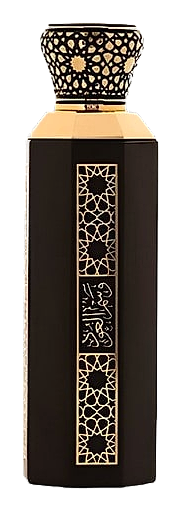
Wasm Al Oud was built around a single obsession: Cambodian oud, presented without dilution or apology. The fragrance sits firmly within the lineage of Arabian Oud, a house whose name declares its commitment to a material that has defined perfumery across the region for centuries. The composition honors that heritage by treating agarwood as the undisputed lead rather than a supporting accent. Cambodian oud brings a particular character to the blend, distinct from other agarwood origins, with a density and resinous gravity that defines the entire wear. It's the kind of ingredient that doesn't ask for permission or offer disclaimers. Wasm Al Oud carries that same confidence, refined, unhurried, and certain of what it wants to be. This is a scent that doesn't ask whether you like oud.
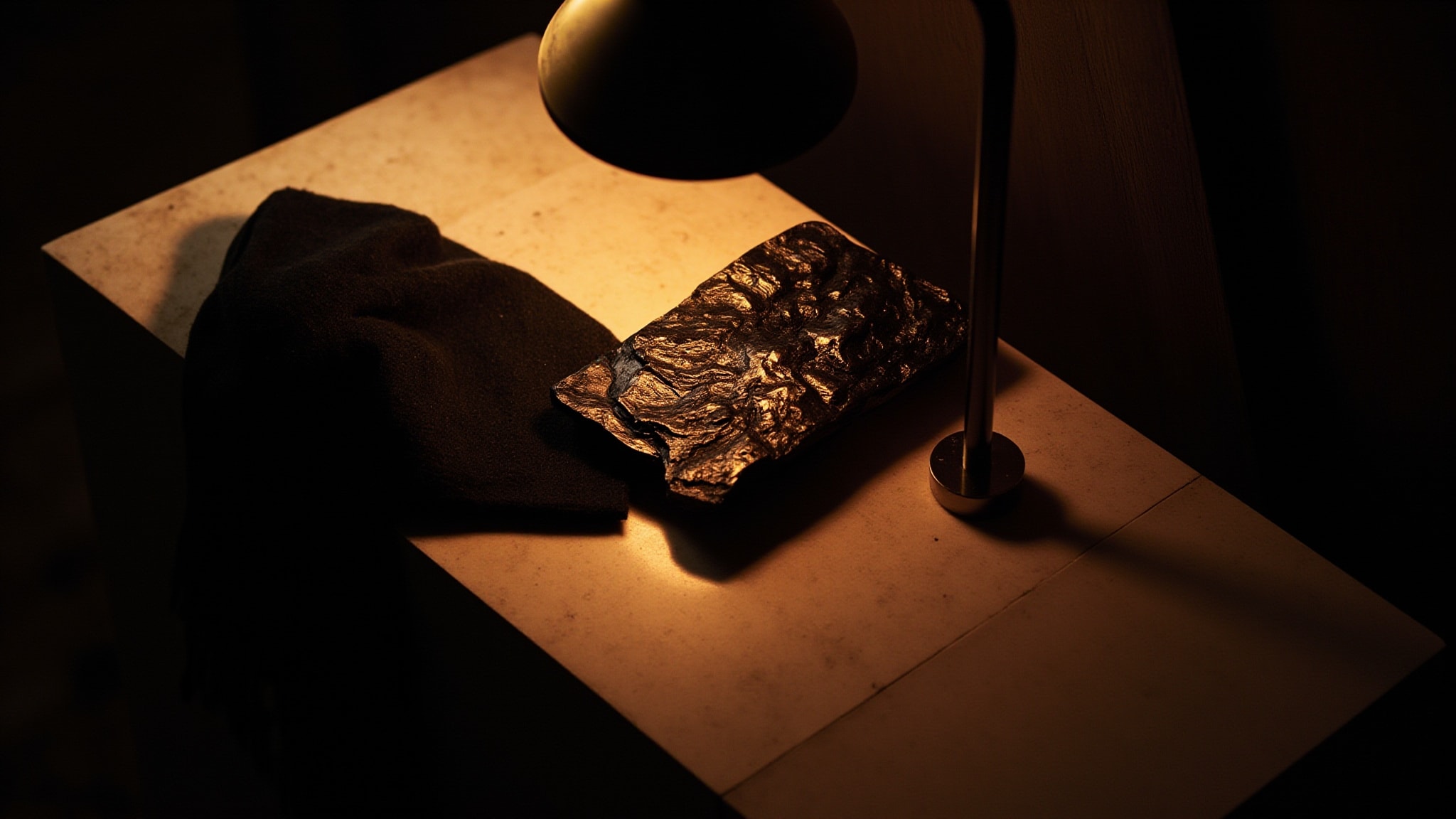
What makes this composition distinctive is its restraint within excess. The pyramid lists just five materials: Cambodian oud, guaiac wood, cashmeran, patchouli, and amber. Nothing else enters the conversation. The guaiac wood adds a smoky, almost metallic depth that pushes the composition toward incense rather than perfume, lending it the burnt, mineral edge of wood carbonizing slowly under low heat. Cashmeran bridges the oud's rawness into something wearable, smoothing the resin's sharper angles with a dry, musky warmth that clings close to skin.
The evolution
The first hour is Cambodian oud in its most unfiltered form. Smoky, resinous, and deeply polarizing. There's no transition through a lighter phase. The heart arrives as guaiac wood softens the edges, introducing a drier, more meditative smoke that feels like incense burned in a stone room. The wood's metallic flicker, somewhere between cooling ash and heated steel, becomes more apparent as the oud retreats. Cashmeran weaves through, adding a warmth that reads as skin rather than fabric, its woody-musky character smoothing the composition without flattening it. Around the four-hour mark, patchouli grounds everything, deepening the composition into dark earth. The amber arrives last, golden and slightly sweet, pulling the oud's sharpness into something that glows rather than cuts.
Cultural impact
Wasm Al Oud sits in the lineage of traditional Arabian oud compositions, the kind worn by people who treat fragrance as identity rather than accessory. It shares shelf space with more ornate releases like Royal Oud, a blend that trades the raw density of Wasm Al Oud for a smoother, more ornamental take on agarwood, and the difference between the two says everything about this house's range. Where Royal Oud polishes, Wasm Al Oud refuses to. It appeals to wearers seeking depth over decoration, those who want their fragrance to carry gravitas rather than charm. This is oud as statement rather than oud as suggestion.