
The Story
Why it exists.
The beginning
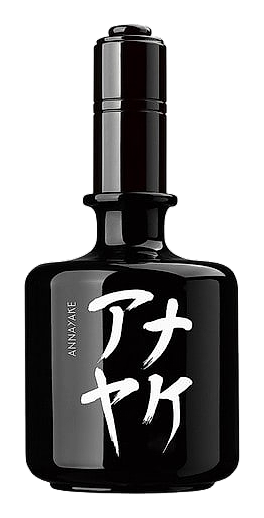
Kuroi arrived in October 2014 alongside Shiroi, the Japanese words for black and white, respectively. Annayake has built its identity around the tension of opposites: Japanese restraint meeting Parisian refinement, sharp meeting soft. The duo arrived as a statement about duality and closeness. Kuroi translates the concept of black into scent: not darkness as an ingredient, but darkness as a character. The citrus opens clean and bright, the mate grounds the middle with something herbal and quietly smoky, and the amber-wood base holds it all together. This isn't a fragrance that announced itself loudly. It's the one that lingers in the room after you've already moved on.
What makes Kuroi unusual is the mate. In perfumery, mate functions as a bridge note, it has the texture of tea, the herbal depth of a forest floor, and a slight smokiness that reads as warmth without sweetness. Most masculine fragrances reach for cedar or vetiver as their woody anchor. Annayake chose mate because it brings an earthy, almost matte quality that keeps the amber from getting too soft. The black pepper doesn't dominate the way it might in a spicier composition, it arrives cold and tart, more punctuation than statement. The ambergris in the base isn't a animalic jolt. It's a warm mineral depth that holds the wood together and extends the drydown without sweetness.
The evolution
The opening hits cool and bright, citrus with the tart snap of black pepper, not the warm crack of pink. It lingers in that phase for about 30 minutes, clean and a little sharp. Then the mate arrives. That's the moment Kuroi becomes itself. The citrus recedes, the pepper softens, and what remains is an herbal, slightly smoky warmth that doesn't announce itself. The heart carries the next few hours, textured, grounded, nothing like the opening at all. The drydown settles into amber and wood, warm without sweetness, the citrus a ghost by the time six hours pass. On fabric, the amber fades faster but the wood holds. Someone standing close might catch it. The sillage is moderate, Kuroi doesn't fill the room but it marks your trail. The mate reappears faintly in the late drydown, a reminder that this fragrance was never in a hurry.
Cultural impact
Kuroi's 2014 launch marked Annayake's bold entry into gender-complementary fragrance storytelling, releasing Kuroi alongside Shiroi as mirror scents representing the house's Japanese-French duality. The mate note choice was deliberate and culturally resonant: yerba mate carries deep significance in South American ritual and social practice, yet Annayake extracted it for a European luxury context, bridging continents through material. This cultural borrowing, common in perfumery, succeeds here because the mate remains recognizable yet refined, neither folkloric nor generic. Kuroi arrived during a brief window when niche-oriented masculine releases were gaining traction in mainstream houses, positioning itself as an alternative to blockbuster masculine fougères.