The Story
Why it exists.
The beginning
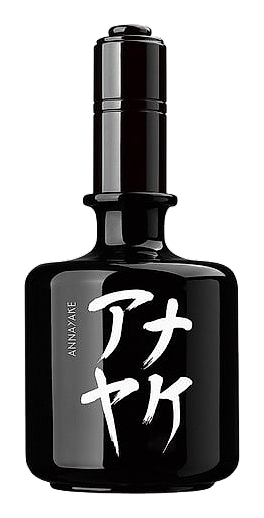
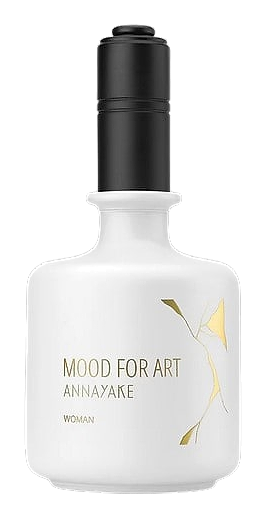
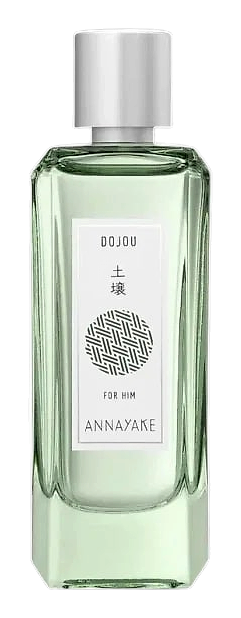
Annayake was founded in France in 1988 with a specific creative mandate: to translate Japanese concepts of balance into Western fragrance form. The house draws from the principles of a tea ceremony, where each element exists in proportion to the next, where silence and presence matter as much as action. That guiding philosophy shaped Annayake Him from the start. Celine Ripert, the house's in-house perfumer, approached the composition with an understanding that masculinity in fragrance does not require boldness or aggression. Instead, she built Annayake Him around a sequence of contrasts that resolve into harmony: grapefruit against cardamom, lavender against cashmere wood, moss against vetiver. The fragrance does not shout. It unfolds with the kind of intention that takes patience to appreciate.
The note choices in Annayake Him reflect a specific philosophy: that masculine fragrance does not have to rely on heavy woods, dark leathers, or aggressive musks to feel complete. Cardamom and grapefruit open the composition with a brightness that is modern without being generic. Lavender and cashmere wood bridge the transition with softness that keeps the fragrance approachable across a range of settings. Moss and vetiver anchor the drydown in earthiness that feels natural rather than constructed. The pairing rationale across each phase is consistent: contrast without conflict. Each note has a counterbalance that prevents extremes. Grapefruit's tartness is tempered by cardamom's warmth.
The evolution
The journey of Annayake Him begins the moment it touches skin. Cardamom and grapefruit arrive together, but they do not arrive loudly. Grapefruit provides an immediate brightness, a citrus note that carries a slight tartness, while cardamom softens the impact with its warm, slightly peppery spice. This opening reads as clean and confident without being aggressive. Within twenty minutes, the top notes begin to recede and the heart takes over. Lavender emerges as a quiet floral presence, its herbaceous undertones keeping the transition grounded rather than sweet. Cashmere wood moves in alongside, offering a soft, woody creaminess that smooths what might otherwise have been a sharper transition. The heart holds for several hours, projecting modestly, inviting close encounters rather than demanding attention across a room. As the composition enters its final phase, moss and vetiver arrive to close the arc. Moss adds a damp, green earthiness that feels organic and unhurried.
Cultural impact
Annayake Him arrived at a moment when Japanese‑inspired minimalism was influencing global fragrance trends, offering a calm yet assertive profile that resonated with consumers seeking balance. Its cardamom‑led opening echoed traditional spice routes, while the mossy drydown referenced forested landscapes of Japan. By integrating modern cashmere wood with classic aromatic notes, the scent bridged heritage and contemporary style, encouraging a quiet confidence that has been noted in social media discussions and niche community reviews. This cultural relevance helped solidify the brand’s reputation for thoughtful, gender‑neutral compositions that speak to a generation valuing subtlety over excess.
The House
AnnayakeAnnayake is a French fashion and cosmetics house that entered the fragrance market in 1988. Over three decades the label has built a catalogue of more than sixty scents, ranging from early releases such as Miyako (2005) to recent compositions like Path in the Woods (2025). The brand is noted for its quiet dedication to balance and ritual, drawing visual and olfactory cues from Japanese aesthetics while operating from a Parisian base. Its collections span both men's and women's lines, offering a spectrum of moods that range from airy florals to grounded woods.
The Creator
Celine RipertRipert favors a structured yet fluid approach to composition, often building around a central accord that anchors the fragrance while allowing subtle variations to emerge as it develops on skin. She works comfortably with both natural and synthetic materials, choosing based on…