
The Story
Why it exists.
The beginning
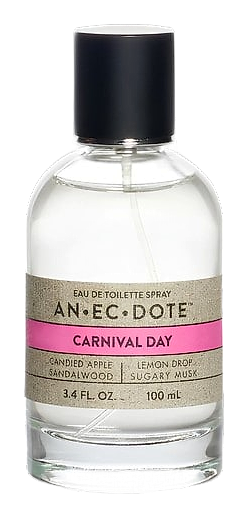
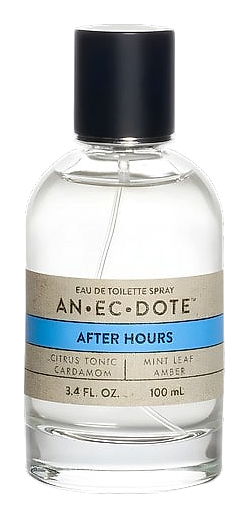
Anecdote built its lineup around the kinds of moments people actually live in: weekends, carnivals, late nights that drift somewhere interesting. After Hours sits in that range, the sort of scent that gets reached for when plans shift and the evening starts to take its own shape. The notes tell most of the story themselves: a gin and tonic deconstructed, the cocktail's bracing snap rebuilt around mint, citrus, and that odd, effervescent tonic water accord, all held together by a warm amber spine. The mint cuts through with a cool edge, the citrus lifts and brightens, and the tonic gives the whole thing a faintly bitter, bubbly quality that feels closer to a drink than a traditional cologne opening.
What's interesting here is the tonic water note. Most perfumery treats citrus as a top-note flash and moves on. Tonic water brings quinine's bitterness, that faintly sweet herbal fizz, a mineral undertone that most colognes don't bother with. Paired with mint's cooling lift and cardamom's dry heat, it creates an opening that doesn't behave like a typical fresh aromatic. The amber base then does something unexpected: it doesn't wait for the top to fade. It arrives underneath almost immediately, giving the whole composition a warm current from minute one, which keeps After Hours from drifting into shower-fresh territory.
The evolution
First ten minutes, and this announces itself. A cold slap of mint and citrus hits the nose like a freshly poured drink, bubbles and all. The tonic water note does something rare in fragrance: it reads cold and effervescent without smelling synthetic. Cardamom arrives within minutes, not as a quiet background but as an audible snap, the way the first sip of a mixed drink catches the back of your throat. The opening stays sharp for a solid 30 to 45 minutes, which is longer than most citrus-forward compositions manage. Then comes the handoff. The mint recedes, the citrus mellows into something rounder, and that amber base starts pulling weight. This is where After Hours stops being a daytime cologne and earns its name. The drydown runs warm and slightly resinous, with the amber sticking close to skin and the cardamom leaving a dry, almost peppery echo.
Cultural impact
After Hours draws attention because of how unusual its central accord is. Tonic water doesn't show up in fragrance often, and when it does, it usually reads as either too abstract or too literal. After Hours threads that needle, landing somewhere between cocktail and cologne without tipping fully into either. The mint keeps the opening cool and slightly herbal, the citrus adds a quick burst of brightness, and the tonic gives the whole composition its characteristic bitter, effervescent edge.