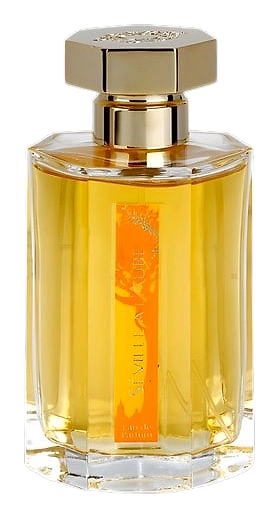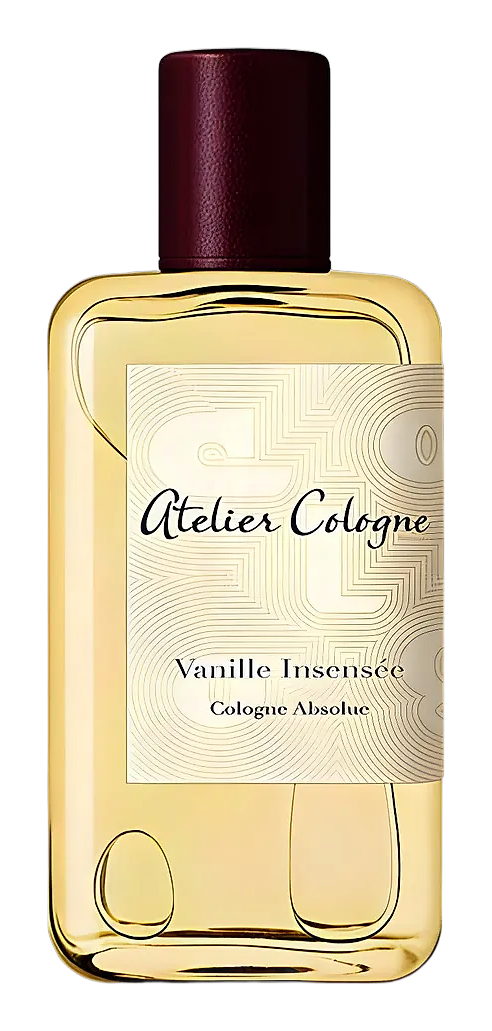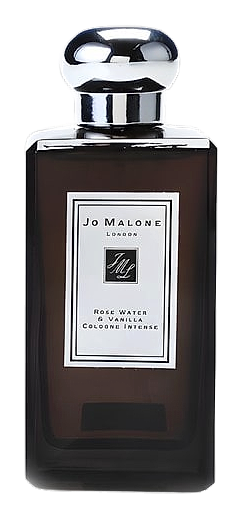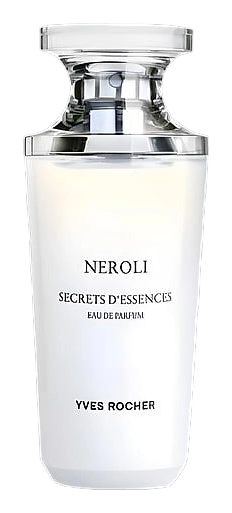

The Story
Why it exists.
The beginning
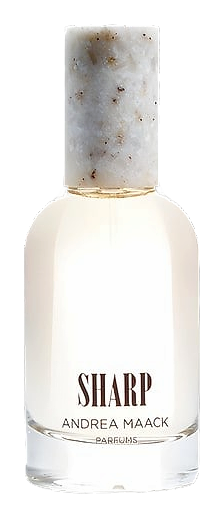
The name is a composite of "Shape Art", a clue that Andrea Maack's visual-art roots run deeper than branding. Sharp emerged in 2010 as one of three fragrances created in collaboration between the Icelandic artist and a French perfume house. Where Craft explored restraint and Smart pursued complexity, Sharp asked a different question: what happens when a fragrance called for sharpness is built entirely from softness? The answer lies in refusal, in what the materials decline to do rather than what they perform.
Orange blossom, vanilla, white musk. The orange blossom doesn't bloom; it sits cool and slightly bitter against white paper. The vanilla doesn't warm; it stays clinical, almost detached. The white musk doesn't comfort; it lingers like the memory of soap on clean skin. The combination produces something unexpected: sweet without being edible, floral without being delicate, clean without being soft. That tension between expectation and delivery is what makes the composition work, what makes it feel both familiar and strangely foreign on the same application.
The evolution
The orange blossom opens clean and quickly yields to the next phase. The vanilla arrives and shifts the entire register of the fragrance. Here is where the surprise lives: the vanilla doesn't behave like vanilla. It's not warm. It's not edible. It carries something cool, almost medical, that contradicts the sweetness and makes it interesting. White musk is the long game, it stays closest to the skin for hours, the quietest note that never fully disappears. There's a slight bitterness at the base, described in the brand copy as a "poison" note, subtle and mineral. It surfaces late. It catches you off guard. Then it fades, leaving only the powdery softness you expected all along.
Cultural impact
The three-note structure challenged an industry expectation that complexity signals quality, instead treating restraint as the statement. The composition invited wearers to reconsider what a fragrance could be when it refused to perform expected qualities, instead finding its character through what it withheld rather than what it delivered. The approach attracted those who saw perfume as a medium for artistic inquiry, not merely a personal grooming product.