The Story
Why it exists.
The beginning
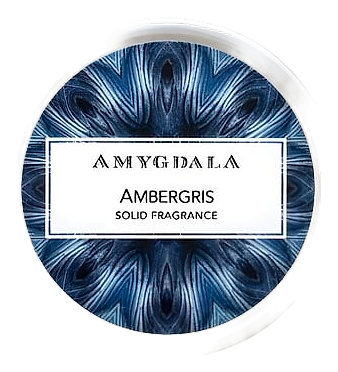
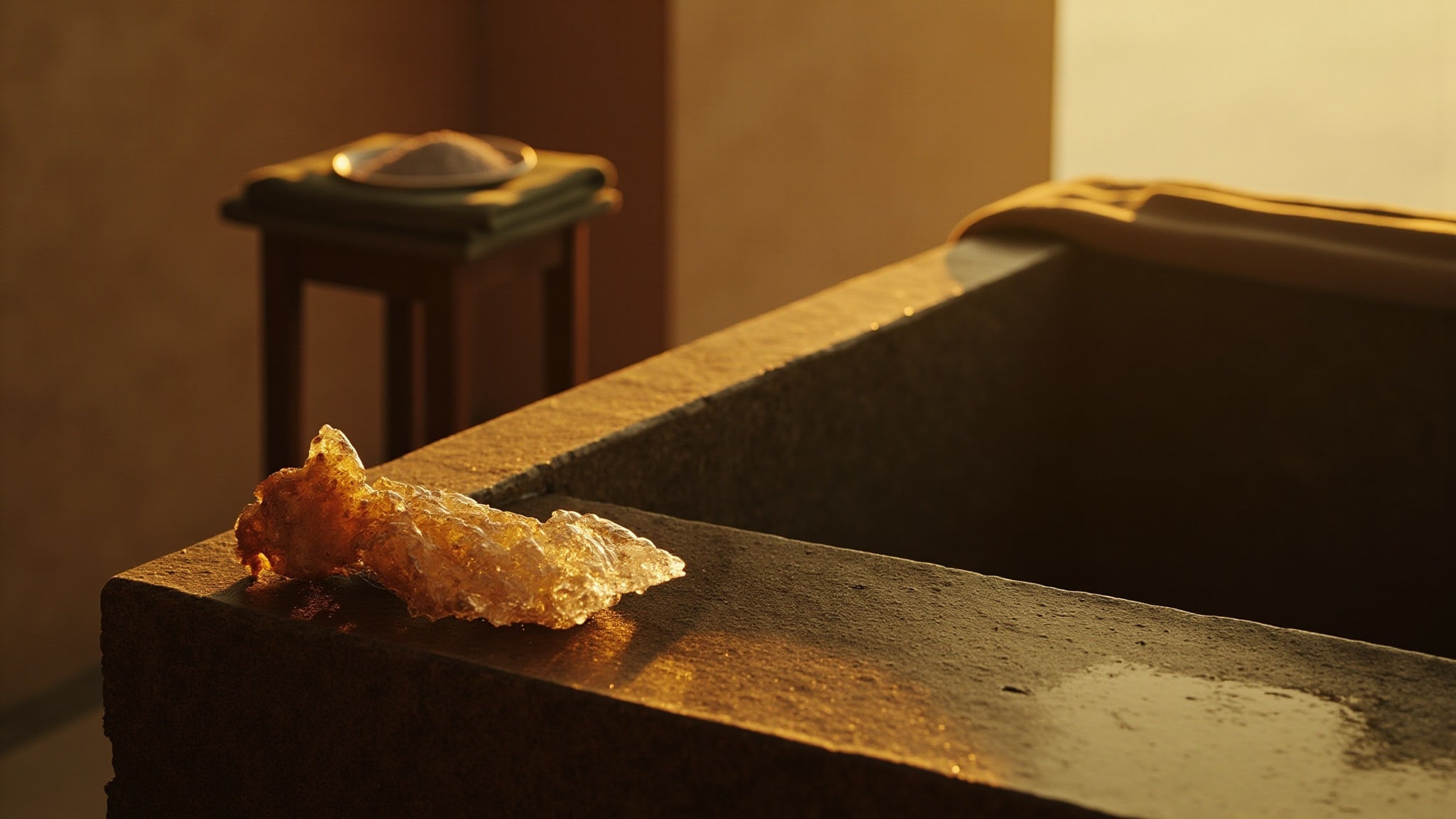
Ambergris was one of the ten fragrances that launched Amygdala in 2016, each one built around a raw material rather than a conventional composition. No accord engineering, no clever blending. Just the note, naked, asking to be understood on its own terms. The choice is telling. This is the most mythologized material in perfumery, a substance that forms in the digestive tract of the sperm whale and matures for years at sea. McGovern chose to isolate it, to let it speak without accompaniment. It's the perfumer's version of giving a single instrument the whole concert hall. What emerges when ambergris is given that room is something dense and salt-crusted, a smell that carries its own oceanic weight. The amber note reads warm and resinous, almost syrupy in the way it clings to skin.
What makes Ambergris unusual isn't the material itself. Ambergris has been a pillar of perfumery for centuries, prized for what it does to other notes: anchoring florals, lifting citrus, rounding sharp edges into something human. McGovern's move was to strip away everything it normally supports. No rose to soften, no bergamot to brighten, no vanilla to warm. Just the raw animalic-saline compound, asking what it sounds like when it isn't a supporting actor. The accords confirm the gamble: amber, animalic, balsamic, salty, marine, all pointing at the same material from different angles.
The evolution
The opening is pure ocean, but not the postcard version. It's tidal water retreating from sun-warmed stone, the briny residue left behind, slightly fecal in a way that reads as alive rather than unpleasant. The salinity begins to soften, the marine note receding like a tide going out, and what surfaces underneath is warmer, more mammalian. Sweat without effort. Skin after a long day. The animalic warmth takes over, and you'd swear someone wearing amber musk walked past, not that you applied a fragrance called Ambergris to your wrist. The transition from ocean to body is gradual but unmistakable, a slow warming of skin and salt. The drydown settles into something close and intimate, a faint reminder that the sea and the body share a chemistry older than either of them.
Cultural impact
Ambergris stakes out animalic-marine territory with unusual commitment, presenting the material as the entire composition rather than a support structure for other notes. The animalic-marine territory it occupies is small but specific, a fragrance that doesn't hide its central material or use it merely as a fixative. What makes it stand out is the willingness to present ambergris undiluted, without the floral or citrus scaffolding that usually surrounds it. The result is something collectors can engage with directly, a study of one of perfumery's oldest materials in its rawest form.
The House
AmygdalaAmygdala is a name shared by two distinct fragrance ventures. The most widely referenced is the artistic Italian niche house Mendittorosa's Amygdala, a unisex composition launched in 2022 as part of the Talismans Extreme Collection. Created by perfumer Luca Maffei in collaboration with Mendittorosa founder Stefania Squeglia, it draws its concept from the brain's emotional center. Separately, Amygdala is also a UK-based fragrance house founded by perfumer Kimberley McGovern in 2016, debuting with an initial collection of ten single-note fragrances that same year.
The Creator
Kimberley McGovernMcGovern favors intimate compositions, the kind that reward close wearing rather than projecting across a room. Her work tends toward the personal and slightly nostalgic: soft florals, vanillas, powdery accords, and the occasional surprise of something greener or more animalic.