
The Story
Why it exists.
The beginning
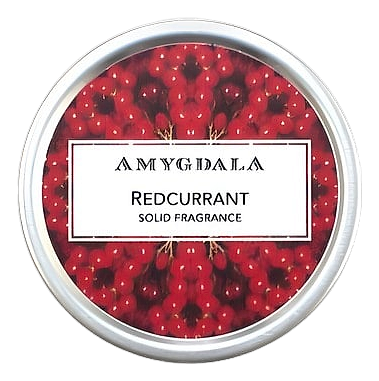
Perfumer Kimberley McGovern composed Redcurrant, and the choice of material says everything about the working method. Berries tend to get softened in mainstream perfumery, dressed up with vanilla or musk, rounded into something palatable and forgettable. McGovern picked a fruit that's naturally sharp and let it stay sharp. Sour rather than sweet. Alive rather than candied. That restraint is the point. Redcurrant is treated as a study, not a complete fragrance built to flatter. The fragrance sits within a line of isolates, each pulling one thread and following it as far as it will go without interference. Patchouli, Peony, Lemon, Honey, the same logic applies across each one. Redcurrant is the berry in that conversation, and the sourness runs all the way through.
Redcurrant is risky as a single note because most fruits collapse without support. They go flat, or they turn syrupy, or they lose the green snap that made them interesting in the first place. What McGovern understood is that redcurrant is one of the few fruits with natural backbone. The tartness is structural. The slight vegetal edge near the stem adds dimension. It doesn't need musk to feel grounded or vanilla to feel warm. The accords confirm it: fruity, soft spicy, fresh, sour, sweet. All five sit in a single ingredient. That complexity within simplicity is what makes the composition hold together.
The evolution
Open the bottle and it's all fruit, sharp, almost mentholated in its brightness, like peeling the skin off a cold berry straight from the fridge. The sour arrives first, followed quickly by the sweetness underneath, and the composition commits to that fruit character without any pretense of something else waiting in the wings. Then it settles. The sour deepens rather than fades, accumulating warmth without losing its edge. A soft spicy quality surfaces over time, warming the fruit without sweetening it. The berry stays present throughout but acquires weight, closer to jam now, or compote, though nothing so heavy. The green stem quality remains detectable from first spray to final hours, keeping the whole composition from going soft or generic. As wear progresses, the fragrance sits closer to skin.
Cultural impact
Redcurrant by Amygdala doesn't arrive with campaign imagery or promotional positioning. It's the kind of bottle a wearer finds through conversation, through a recommendation, through someone who already owns a few bottles from the same line. The appeal sits in the composition itself, in what the material does when it's asked to carry the entire weight of a fragrance on its own. Wearing it is a particular kind of experience. The berry is familiar enough to invite a first spray, recognizable as something you've eaten, held between your fingers, pulled from a stem. Then the execution pulls away from expectation.
The House
AmygdalaAmygdala is a name shared by two distinct fragrance ventures. The most widely referenced is the artistic Italian niche house Mendittorosa's Amygdala, a unisex composition launched in 2022 as part of the Talismans Extreme Collection. Created by perfumer Luca Maffei in collaboration with Mendittorosa founder Stefania Squeglia, it draws its concept from the brain's emotional center. Separately, Amygdala is also a UK-based fragrance house founded by perfumer Kimberley McGovern in 2016, debuting with an initial collection of ten single-note fragrances that same year.
The Creator
Kimberley McGovernMcGovern favors intimate compositions, the kind that reward close wearing rather than projecting across a room. Her work tends toward the personal and slightly nostalgic: soft florals, vanillas, powdery accords, and the occasional surprise of something greener or more animalic.