The Story
Why it exists.
The beginning
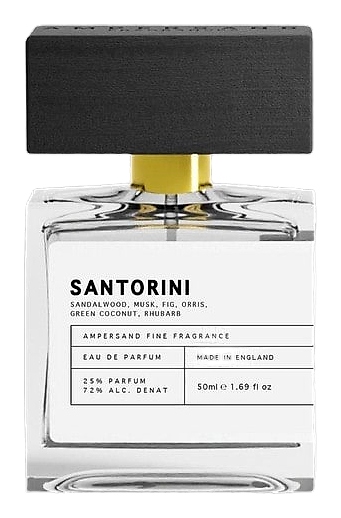
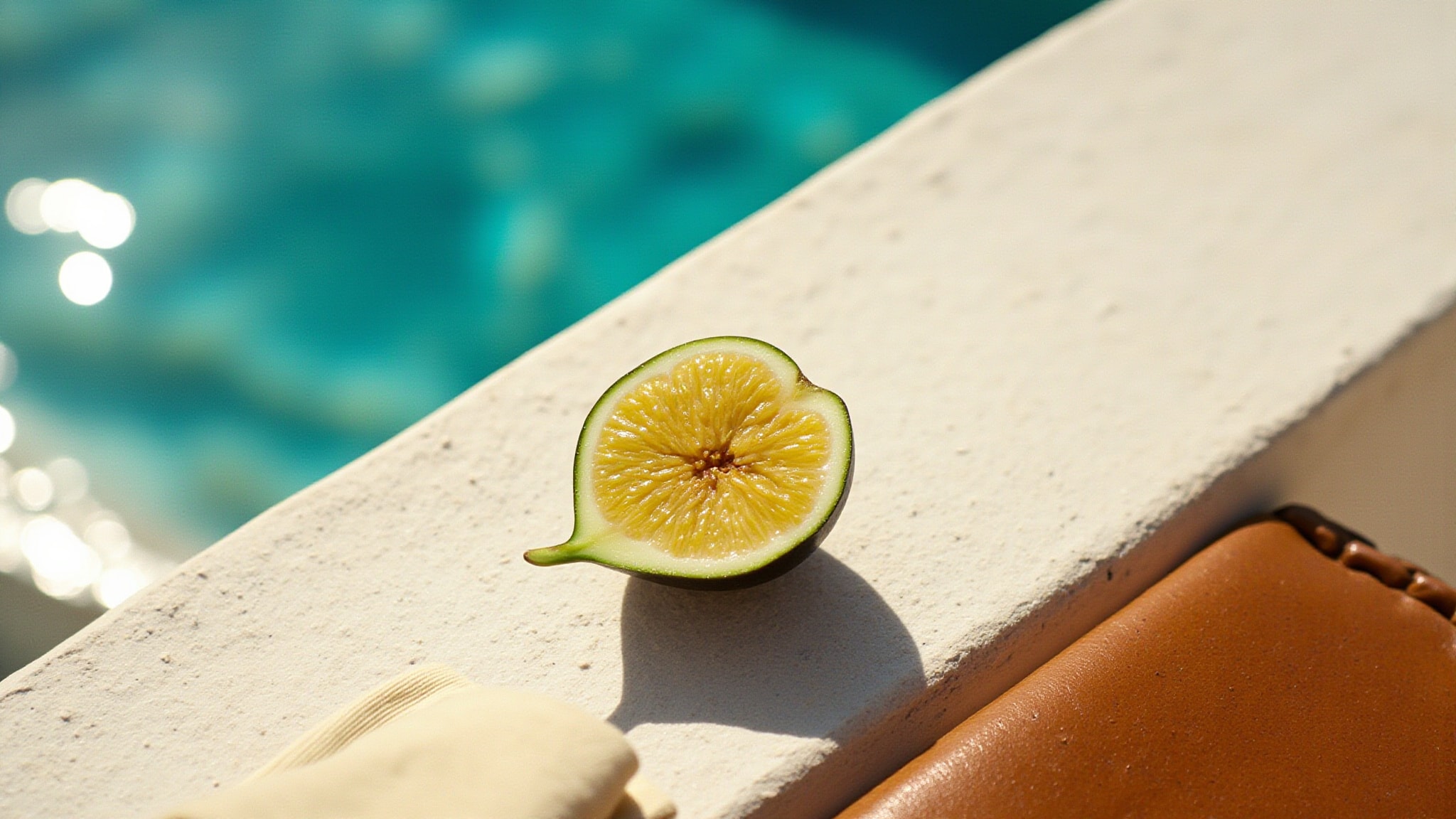
Santorini takes its inspiration from the Greek island, that whitewashed caldera in the southern Aegean where everything looks bleached by sun and salt. The fragrance opens with notes of fig and green coconut, bright and almost vegetal, like the first bite into a fig that's not quite ripe. Beneath that fresh introduction sits a heart built around orris root, the powdery, earthy iris note that anchors the composition and keeps it grounded. Musk and sandalwood form the base, clean and quietly creamy, the kind of drydown that sits close to the skin and leaves a faint warmth behind. There's no cryptic composition here, no high-concept abstraction. Just a place, a feeling, and a straightforward reading of both.
What's interesting is the restraint. Fig can easily turn jammy or sweet in compositions built around it. Here the green coconut and rhubarb pull it back toward something raw and vegetal, the fig leaf rather than the ripe fruit. Orris root in the heart adds a powdery, root-vegetable earthiness that anchors the sweetness, while the musk in the base stays clean rather than skin-warm. The coconut reads young and watery, not tropical. Sandalwood finishes it, but quietly, the way driftwood looks on a stone beach.
The evolution
The opening leads with fig and green coconut, bright and almost vegetal, like biting into a fig that's not quite ripe. That green, slightly bitter edge sits close to the skin for the first thirty minutes, keeping the coconut from tipping into anything tropical. Around the forty-minute mark, orris root and the rhubarb come forward, softening the green into something powdery and faintly sweet, the texture shifting from crisp fruit to something closer to suede. The orris deepens that suede-like quality, giving the heart a velvety finish that smooths out the sharper green edges from the opening. By hour two the sandalwood and musk take over. It dries down to a clean, slightly creamy warmth, the coconut now a memory rather than a note. On most skin it stays close, a personal fragrance for the wearer rather than the people across the table.
Cultural impact
Santorini earns its name by staying in the green, the under-ripe, the salty edge of what a Greek island actually smells like rather than what a postcard suggests. The composition rewards the wearer who notices nuance over volume. It favors restraint over statement, texture over sweetness, and the kind of quiet confidence that comes from a scent knowing exactly what it wants to be. There's no shouting here, no attempt to cover every Mediterranean reference at once. Just fig leaf and stone and sea air, rendered in a composition that trusts its wearer to lean in rather than step back.