
The Story
Why it exists.
The beginning
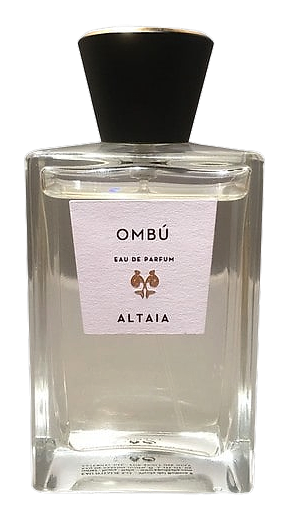
Ombú takes its name from the ombú tree, a sprawling, ancient presence native to the Rio de la Plata basin. In Argentine culture, the ombú isn't just flora. It's a landmark, a meeting point, a place where time moves differently. The fragrance translates that spirit: unhurried, rooted, impossible to ignore once you've noticed it. Sage opens like a clear morning. Cedar and pink pepper follow. The composition doesn't announce itself, it simply becomes impossible to leave behind.
What makes Ombú structurally interesting is the way it inverts expectation. Most woody-spicy fragrances lead with cedar and introduce herbs as secondary texture. Here, sage arrives first, bright, aromatic, slightly sweet, and cedar builds behind it over hours. Pink pepper functions not as sharpness but as invitation, warming the herbal opening so it never reads as medicinal. The heart materials (benzoin, labdanum) don't announce a dramatic drydown so much as they quietly settle into what the top left behind. It's composition that trusts patience.
The evolution
The opening hits clean: sage's green, slightly sweet lift immediately followed by pink pepper's warmth, a combination that feels herbal but not medicinal, bright but not citrus-sharp. Cedar announces itself within minutes, adding structure and weight. The heart phase belongs entirely to cedar, which dominates while sage fades to a whisper and pink pepper settles into a background warmth. By the third hour, the drydown arrives: benzoin's resinous amber and labdanum's sticky, slightly animalic resin close around the cedar like a slow exhale. The final hours are quiet and close, this is a skin scent in the truest sense. You find it when you move. What remains the next morning is cedar and trace benzoin, faint but present on fabric.
Cultural impact
Ombú appeared in Vogue's top ten new perfumes for winter, a recognition that placed it alongside fragrances at considerably higher price points. In the woody-spicy category, it occupies distinct territory: sage-forward where most competitors lead with cedar or incense. The reception suggests something rare, a niche composition with mass appeal, built from Argentine memory rather than inherited polish.