The Story
Why it exists.
The beginning
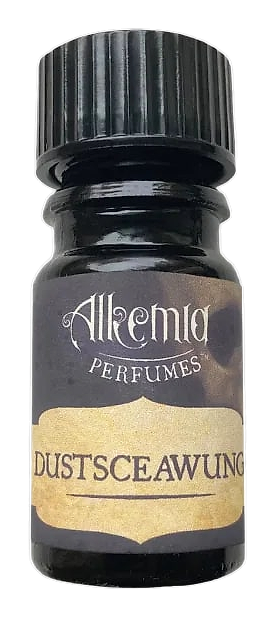
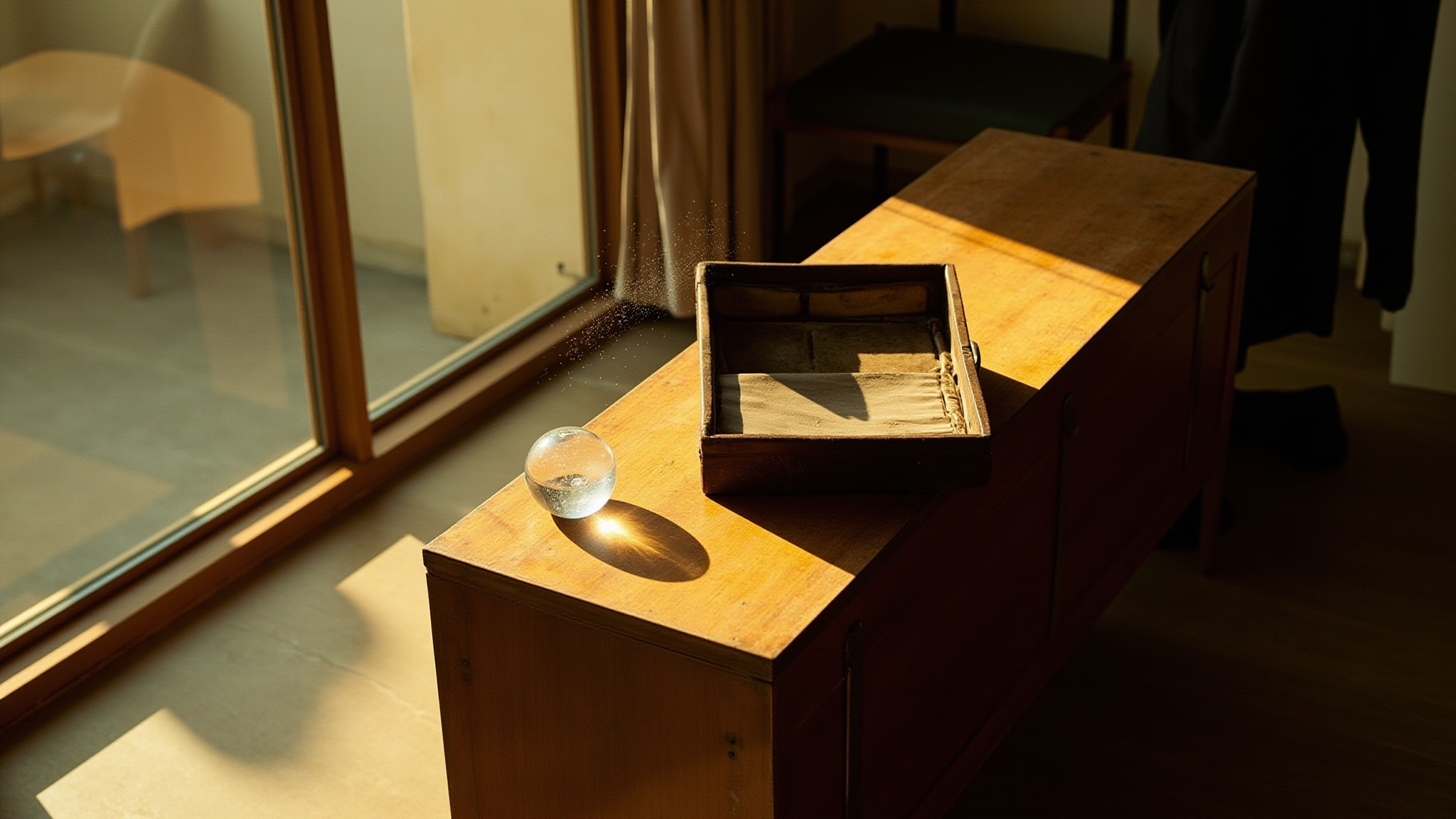
The name Dustsceawung carries weight. Alkemia's release leans fully into its premise as an olfactory meditation on dust, worldly desires, and the ephemerality of all things. The house calls it that plainly, and the concept reads as neither cleanliness nor decay but something between the two. Imagine a trunk in an attic holding the ghost of cedar, the inside of an old trunk with its compartments long emptied, and the smell of aged paper stacked too long in one place. The brand's house description names it directly: the scent of forbidden explorations. Attic air, library stacks, abandoned haylofts. A perfume for rooms that no longer get visited.
What makes this composition unusual is the frankness of its premise. The official description names the dust accord directly, then admits the rest is atmosphere. Aged paper, dust, wood, and an air accord that reads more like negative space than a traditional note. The scent asks the wearer to slow down enough to notice what usually gets cleaned away. There is a quiet confidence in that framing, a refusal to dress the concept in prettier language. The notes do not announce themselves. They accumulate.
The evolution
On first application, there is a faint chalkiness, the way a room smells when sunlight finally hits a surface that hasn't been touched in years. The air accord reads almost like indoor cold, that specific stillness of sealed spaces. Within the first half hour, the dust and aged paper start to register as actual sensation, a dry mineral-fibrous texture that settles close to skin rather than broadcasting. This is not a sillage play. The woody undertone arrives late in the wear, and it's bruised rather than bright. Think old wardrobe oak, not freshly cut timber. It does not transform dramatically. It simply exhales, slowly, until the room around you feels older than it did when you walked in. The composition unfolds in stages, each phase quieter than the last, with the dust accord remaining a constant thread through every shift.
Cultural impact
Dustsceawung sits within a category of fragrances designed less for projection and more for proximity, scents meant to be discovered by the wearer rather than announced to a room. The composition functions as a private exercise, a scent to think with rather than a scent to be noticed. Reviewers have described wearing it during quiet activities, solitary afternoons, moments of reading or writing where the fragrance becomes part of the atmosphere rather than an interruption to it.