
The Story
Why it exists.
The beginning
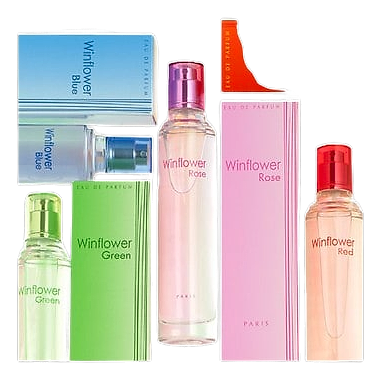
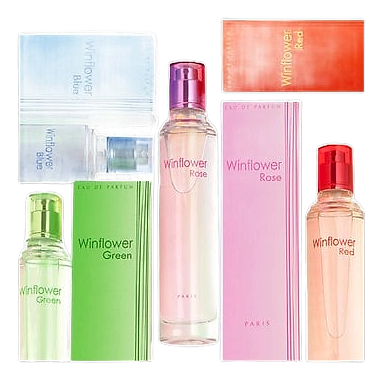
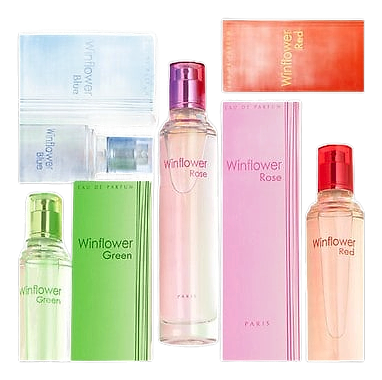
Winflower Red comes from Alain Daniel and belongs to the Winflower line, where the color in its name reinforces the red-leaning character expressed through its composition. The available record does not name a perfumer, launch year, or specific inspiration for this release, so the scent itself offers the clearest point of entry. Fruity brightness opens the composition with a vivid, glossy quality, while rose and lilac establish a soft floral heart. Cedarwood brings a dry, structured grain beneath those florals, and musk gives the base a smooth, close-to-the-skin texture. Vanilla lingers warmly underneath, leaving the fragrance floral, gently sweet, and grounded by wood.
The structure is pleasingly direct. Fruity notes give the opening a bright, rounded start; rose and lilac bring the recognizable floral center; cedarwood, musk, and vanilla make the drydown feel softer and more grounded. Nothing here is aggressively experimental, but the contrast gives Winflower Red its character: fruit makes it lively, the flowers make it feminine in a classic register, and the base keeps sweetness from becoming simple. It is a composition that asks to be worn, not studied.
The evolution
Winflower Red begins with the buoyant lift of fruit, creating a red, glossy impression that keeps the opening fresh rather than heavy. The fruit gradually gives way to rose, which takes the lead with lilac close beside it. Together, the florals feel more rounded and polished than the brighter opening suggested, with rose adding depth and lilac a soft, powdery texture. As the composition settles, cedarwood introduces a quiet woody grain that gives the floral center greater structure. Musk smooths the edges of rose, lilac, and wood, while vanilla remains underneath, adding warmth and sweetness to the final stage. The scent moves from bright fruit to blush-toned florals, then settles into a warm, musky finish that stays close to the skin without disappearing.
Cultural impact
Winflower Red draws on familiar elements of floral-fruity perfumery, using rose and lilac to establish its central floral character. The opening fruit adds a bright, glossy quality, while cedarwood gives the composition a firmer grain beneath the florals. Musk softens that structure and brings the different notes into a smoother whole, with vanilla adding warmth and sweetness to the base. As it develops, the fragrance shifts from vivid fruit to rounded florals and then to a warm, musky finish. Its appeal lies in this accessible note progression, combining recognizable floral notes with contrasting fruit, wood, musk, and vanilla.