The Story
Why it exists.
The beginning
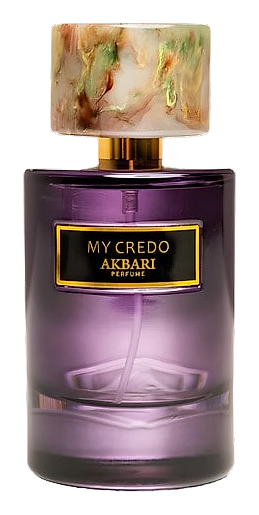
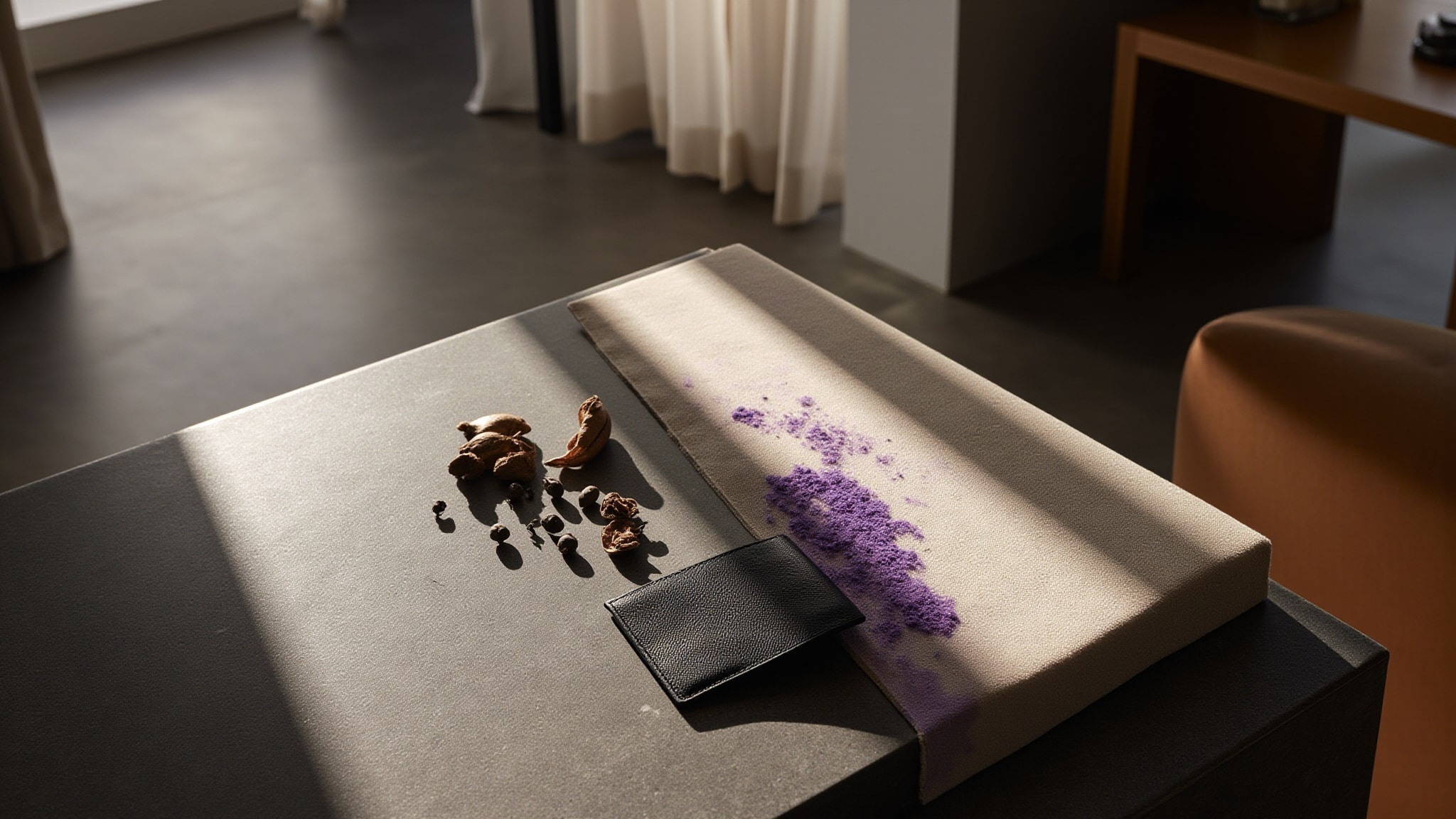
My Credo arrives without a documented launch story, founder, or named perfumer, so the composition has to speak for itself. Its listed notes form a distinctive sequence: violet and iris establish the floral opening, sandalwood and rice basmati introduce the central pairing, and black pepper, cardamom, and leather complete the composition. The fragrance is built around these contrasts without assigning any unverified emotional or cultural meaning to them, leaving the note list to define its identity.
The central point of interest in My Credo is the meeting of floral notes with rice basmati, sandalwood, black pepper, cardamom, and leather. Violet and iris establish one part of the composition, while the listed base notes introduce several contrasting materials. That combination gives the fragrance an unusual structure to explore. Rather than rely on a documented launch narrative or attributed creative intention, My Credo can be read through its note relationships and the different olfactory elements it brings together.
The evolution
My Credo is described through a sequence of violet and iris at the opening, sandalwood and rice basmati through the middle, and black pepper, cardamom, and leather in the listed base. The relationship between these groups gives the composition its main point of interest. Floral notes sit beside sandalwood, rice basmati, leather, and spice materials, creating a varied structure without requiring a documented account of how the fragrance changes on skin. The listed notes offer the clearest basis for understanding the fragrance and the contrasts that shape it.
Cultural impact
My Credo can be considered through its note composition: violet and iris appear alongside sandalwood, rice basmati, black pepper, cardamom, and leather. This pairing gives the fragrance a distinctive place within Akbari's catalog while avoiding unsupported claims about cultural identity, market position, or the preferences of its wearers. The combination invites exploration through its contrasts, with floral materials placed next to wood, rice, spice, and leather notes. Its significance rests on the composition as presented, rather than on any broader cultural role assigned to the fragrance.