
The Story
Why it exists.
The beginning
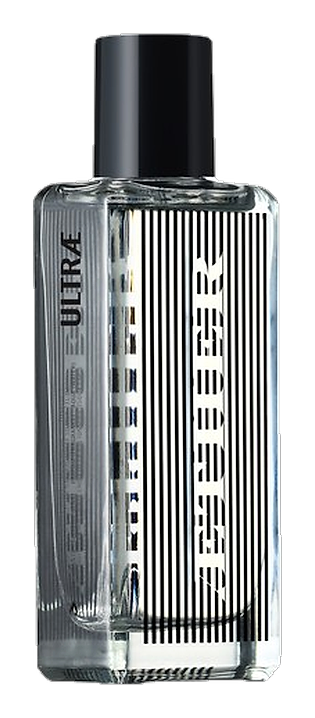
Aether began with a single conviction: synthetic molecules deserve to stand alone. Not as filler or substitute, but as the point. The founder spent years in fragrance development for larger houses before creating a platform where chemistry could be the art. The debut arrived in 2018. Ultrae was it, a unisex musk built around the aldehyde aldambre, named for what it does and what it is. Beverley Bayne and Julie Pluchet collaborated on its composition. The aldehyde opens with a sharp, almost metallic brightness that cuts through the air, transitioning into a soft warmth as the musky base develops on the skin. Wearers notice the way the scent lingers, revealing subtle shifts as it settles into its drydown.
Aldambre is a strong aldehydic molecule, the kind most houses use briefly at the opening, then bury. Ultrae does the opposite. It builds the entire fragrance around that dry heat, blending it with rose oxide, habanolide, and tonalid to create something distinctly its own. That's unusual. Aldehydes are typically a fleeting element. Here they carry the whole composition. Rose oxide softens the edges just enough. Habanolide and tonalid add the musky warmth underneath. It's what happens when you let a synthetic molecule run the show instead of apologizing for it.
The evolution
The opening hits fast, aldehydes cutting bright and ozonic, like steam lifting from a hot surface. The rose oxide follows, adding a delicate floral lift that keeps the metallic note from feeling clinical. Within minutes, the heart shifts. Habanolide and tonalid arrive, a soft, powdery musk that rounds the sharpness into something skin-close. The sillage settles quickly. This isn't a fragrance that fills a room. It stays near, intimate, a warmth that clings. The drydown holds for hours, the woody-synthetic character lingering on fabric and skin like the last trace of heat from something recently pressed.
Cultural impact
Ultrae entered a landscape where synthetic materials often carried negative associations, seen by some as shortcuts or compromises. Building the entire fragrance around a single molecule, aldambre, offered something different. Rather than using the aldehyde briefly at the opening, the composition lets it sustain the entire structure, with the musky base of habanolide and tonalid supporting that aldehydic presence throughout. The fragrance opens bright and assertive, the aldehyde bringing an immediate clarity that cuts through initial impressions.