The Story
Why it exists.
The beginning
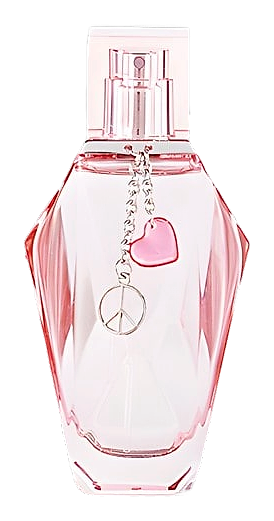
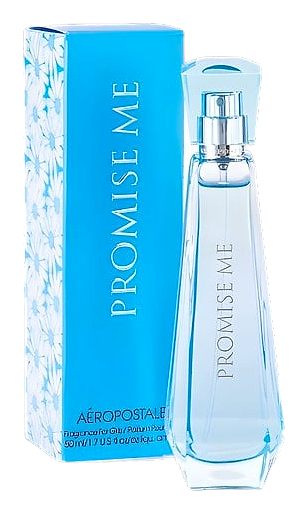
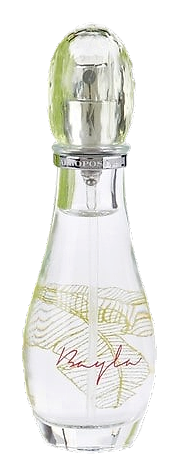
Bayla arrived in 2014 from Aéropostale, a brand better known for graphic tees than perfumery. That context matters. The scent leaned into exactly what you'd expect from the source. Fruity notes and floral notes form the entire architecture, no smoke, no leather, no cerebral edge. Just sweetness and brightness, a composition that commits to its own lane without apology. The accord structure is stripped down and honest, built around a fruity-floral axis that reads clear from the first spritz to the last trace. There's an immediate sweetness, almost edible in its intensity, paired with a brightness that cuts through any heaviness. The fruit arrives upfront, sharp and recognizable, before the florals settle in to round out the edges.
What makes Bayla structurally interesting is also what makes it simple. The main accords list fruity, floral, sweet, and sour as the dominant threads, a surprisingly honest breakdown for a mass-market fragrance. The sweetness is obvious, the florals soften it, and the sour thread keeps everything from collapsing into pure syrup. That tart edge runs through the composition from start to finish, pulling double duty as both a flavor agent and a structural counterweight.
The evolution
On skin, Bayla opens with a hit of sweetness that reads almost candied, the fruity top notes arriving all at once rather than in waves. There's no slow build. It simply shows up, bright and fizzy, like a piece of hard candy dissolving on the tongue. The florals slide in within the first twenty minutes, softening the fruit without overpowering it. The sour edge, that slightly tangy thread mentioned in the accords, runs underneath the entire wear, keeping things from tipping into syrup. By the two-hour mark, the florals have taken the lead, while the fruit recedes into a softer shadow. The base isn't dramatic. There's no heavy anchor pulling the composition downward. Instead, the fruity notes reassert themselves in a quieter register, almost like the sweetness that lingers at the bottom of a glass after the last sip.
Cultural impact
Bayla arrived in 2014, and the scent matched an era of mall-driven fragrance culture in ways that felt almost designed for it. It smelled like the in-between years of adolescence, before perfume got serious and before complexity became the goal. For its audience, it wasn't a background player. It occupied a specific shelf in memory, the kind of scent that gets associated with growing up, with weekend outings and early experiments with personal style. That kind of attachment doesn't fade quickly. Bayla represented a particular moment when fragrance was still a fun, low-stakes purchase rather than a considered luxury.