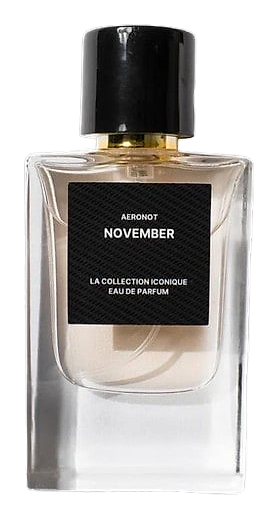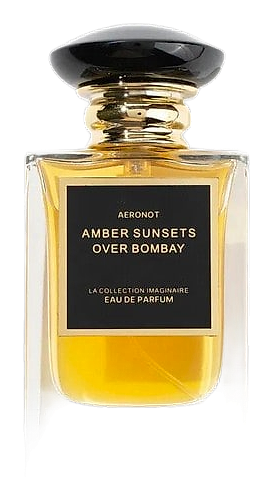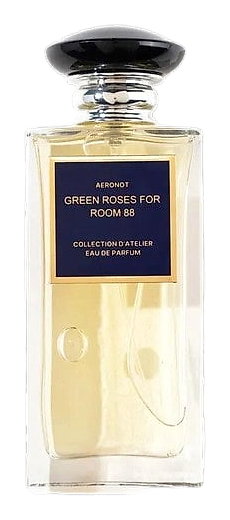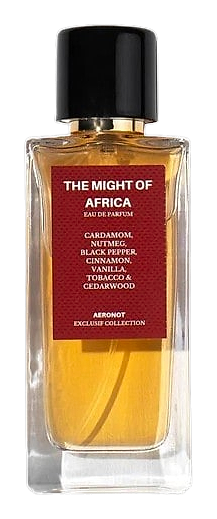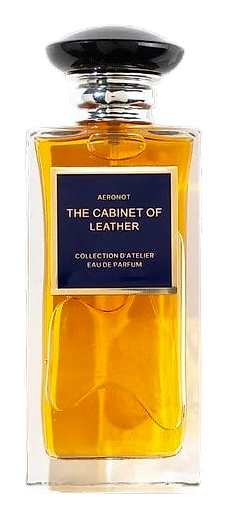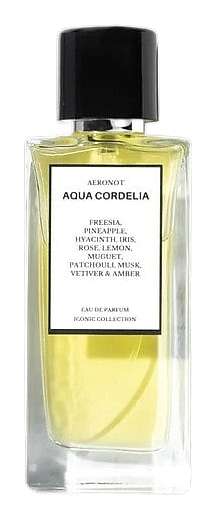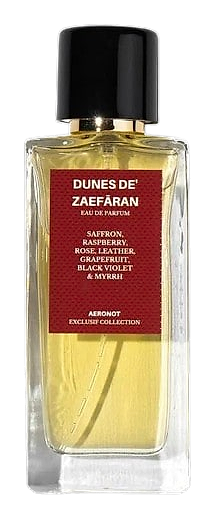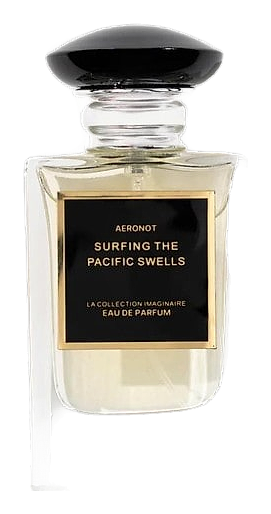
The Story
Why it exists.
The beginning
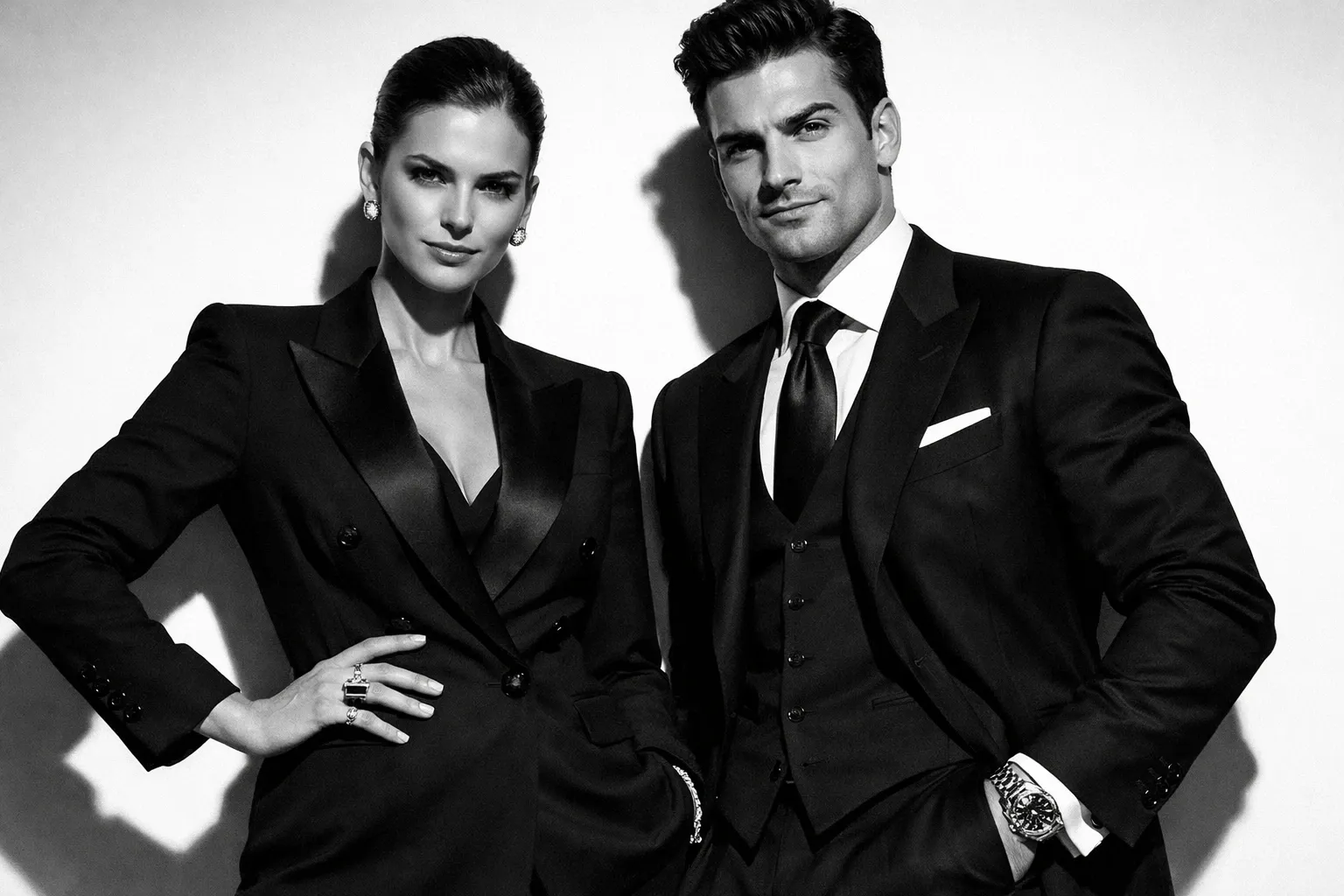
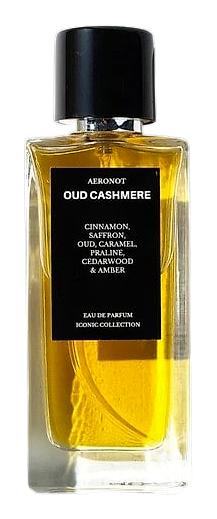
Oud Cashmere arrived in 2021 as part of Aeronot's Iconic Collection, and the brief was almost cinematic: a blend of oud, amber, and praline built for royal evenings, upscale events, formal nights, and gala wear. The fragrance house had already built a reputation for compositions tied to specific places and moments, a kind of olfactory cartography where each release functioned like a postcard from a particular atmosphere. Oud Cashmere isn't tied to a city. It's tied to a dress code, a velvet rope, the kind of room where the lighting is low and nobody is checking their phone.
What makes the composition structurally interesting is the oud placement. The oud is the first thing you smell, loud and unmistakable, a raw and leathery presence that dominates the first ten to fifteen minutes with an intensity some wearers will find aggressive on first contact. This is the phase that divides opinion, because the opening gives no quarter. There's no gentle negotiation, no soft entry. The oud simply arrives and takes the room.
The evolution
The first ten to fifteen minutes belong entirely to the oud, and there's no point pretending otherwise. The oud pushes through with a raw, leathery intensity that some wearers find aggressive on first application, a sharp, almost medicinal quality that announces itself before anything else has a chance to register. This is the phase that splits opinion, because the opening gives no warmth, no sweetness, no easy entry point. It's oud at full volume. Give it thirty minutes and the praline begins to surface, softening the oud's edges into something creamy and close, a sweetness that arrives not as a separate layer but as a gradual transformation of the oud itself. The caramel follows close behind, warming the composition into a dense, almost edible sweetness that sits on the skin like wool, weighty and insulating.
Cultural impact
Oud Cashmere occupies a particular space in contemporary fragrance, the kind of composition built for a specific occasion rather than everyday rotation. It reads as a dress-up fragrance, the sort worn for upscale events and formal nights, where the oud's intensity is a feature rather than a problem, where the sweetness of the praline and the warmth of the amber feel appropriate to the setting. Wearers who gravitate toward it tend to want their fragrance to announce something, a statement that doesn't ask to be ignored or worn quietly in the background.