The Story
Why it exists.
The beginning
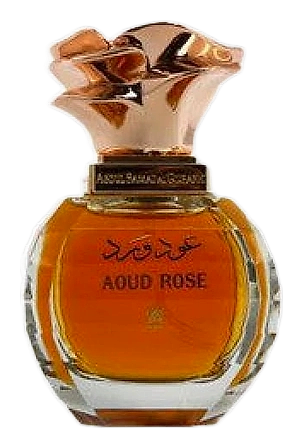
Abdul Samad Al Qurashi built the house on centuries of Arabian botanical obsession, and Oud Rose continues that tradition. The perfumers chose to celebrate the legendary Taif rose, harvested on the slopes of Saudi Arabia's western mountains where cool nights and rocky terrain produce a bloom with unmatched luminosity. The pairing with agar-agar wood was deliberate: the house wanted contrast without chaos, a way to honor rose that felt both reverent and modern.
The house philosophy here is one of restraint. Rather than building a fortress of competing notes, Abdul Samad Al Qurashi chose to let two materials converse. The rose speaks of light, warmth, and the lush valleys where it grows. The oud speaks of time, of ancient trees, and of the resinous heart hidden within. Together they form a dialogue between the ephemeral and the eternal.
The evolution
The fragrance begins as pure rose, a fresh and vibrant bloom that announces itself confidently. Over the next hour, that rose evolves, gaining body and warmth as the heart phase arrives. The transition feels natural rather than abrupt. When the drydown finally introduces oud, it arrives as a whisper of smoke and resin rather than a roar. The rose does not disappear entirely but recedes, allowing the dark wood to take center stage. This arc tells a story of luminosity giving way to depth, of flower yielding to forest.
Cultural impact
Wearers often describe Oud Rose as the scent of a quiet soirée in a historic souk, elegant yet grounded. It attracts those who appreciate a floral‑oud duet without overwhelming intensity, making it a favorite for evening gatherings and special occasions. Compared with other rose‑oud blends, its moderate sillage keeps it personal, inviting compliments without demanding the spotlight.