The Story
Why it exists.
The beginning
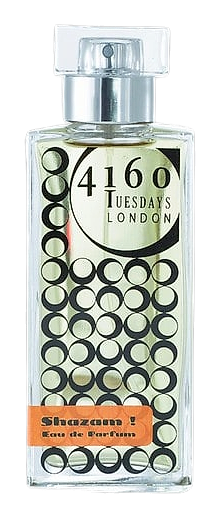
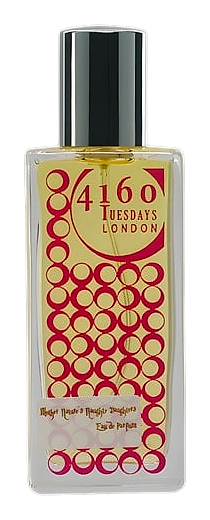
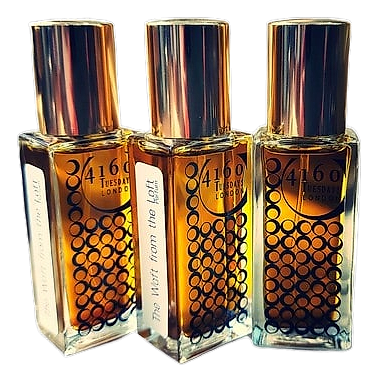
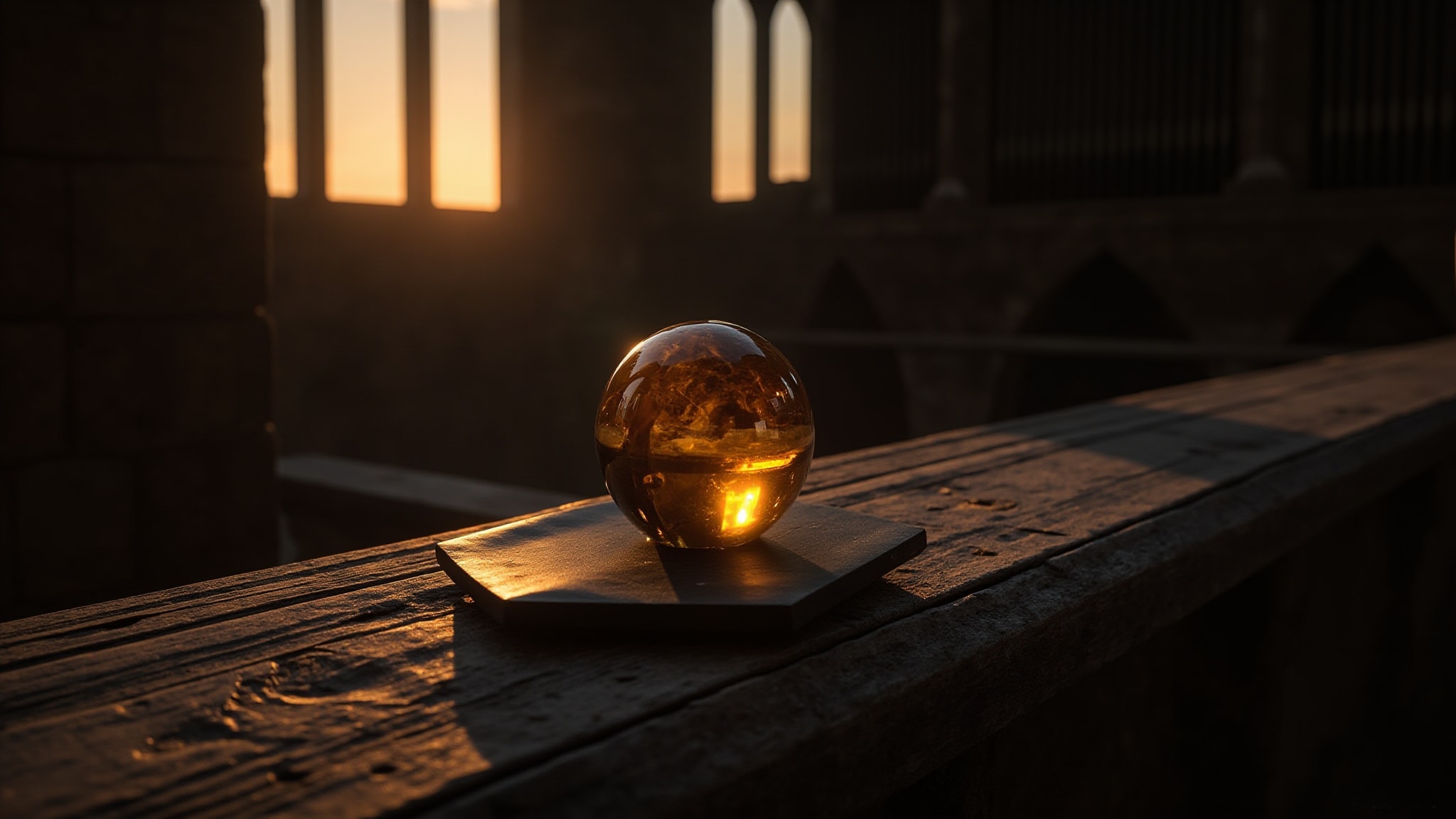
The organ loft above a 17th-century London church. That's the image Sarah McCartney set out to capture with The Waft from the Loft, not the sanctuary below, but the space above it, where dust motes drift through candlelight and the organ pipes have absorbed centuries of hymn and silence. The brief was specific: smoothed antique woods, incense-infused old stone, the faint green of a churchyard yew. And red wine, because that's what the choir drank after evensong, and no sacred space stays sacred for long once people start enjoying themselves.
What makes this composition interesting is the tension it holds without resolving it. Red wine and incense should fight, but instead they negotiate, the wine providing a dark, slightly acidic top that grounds the smoke, while the green notes (churchyard moss, crushed stems) keep everything from becoming too heavy. The heart is pure rose incense, but the rose has weight here, not fragility. It's petals pressed into old prayer books, not a Valentine's bouquet. The 42 materials, woods, balsams, resins, florals, a hint of greenery, build something that smells lived-in rather than constructed.
The evolution
The opening is red wine, unmistakably. Dark, a little acidic, like someone just set down their glass to light a candle. Within minutes, green notes arrive, not fresh grass but damp stone, cut stems, the cool side of a churchyard yew. The wine doesn't disappear. It just gets tempered. The heart shifts into incense and rose, warm and slightly animalic, the smoke curling upward while the rose blooms in place. There's something physical about this phase, polished pews under fingertips, petals slightly warm from being held. The drydown settles into amber and resin, the votives burning low, the vaulted ceiling holding the last traces of everything that came before. Eight hours on skin, close but persistent, you'll smell it the next morning if you wore it to bed.
Cultural impact
The Waft from the Loft occupies an unusual space in contemporary niche perfumery, the sacred without the solemn, the hedonistic without the trivial. Where many incense-forward fragrances lean either liturgical or decadent, this one holds both. Wearers describe it as the scent of a place rather than a person, which is rare, a fragrance that conjures architecture and atmosphere more than personality.