Zefir
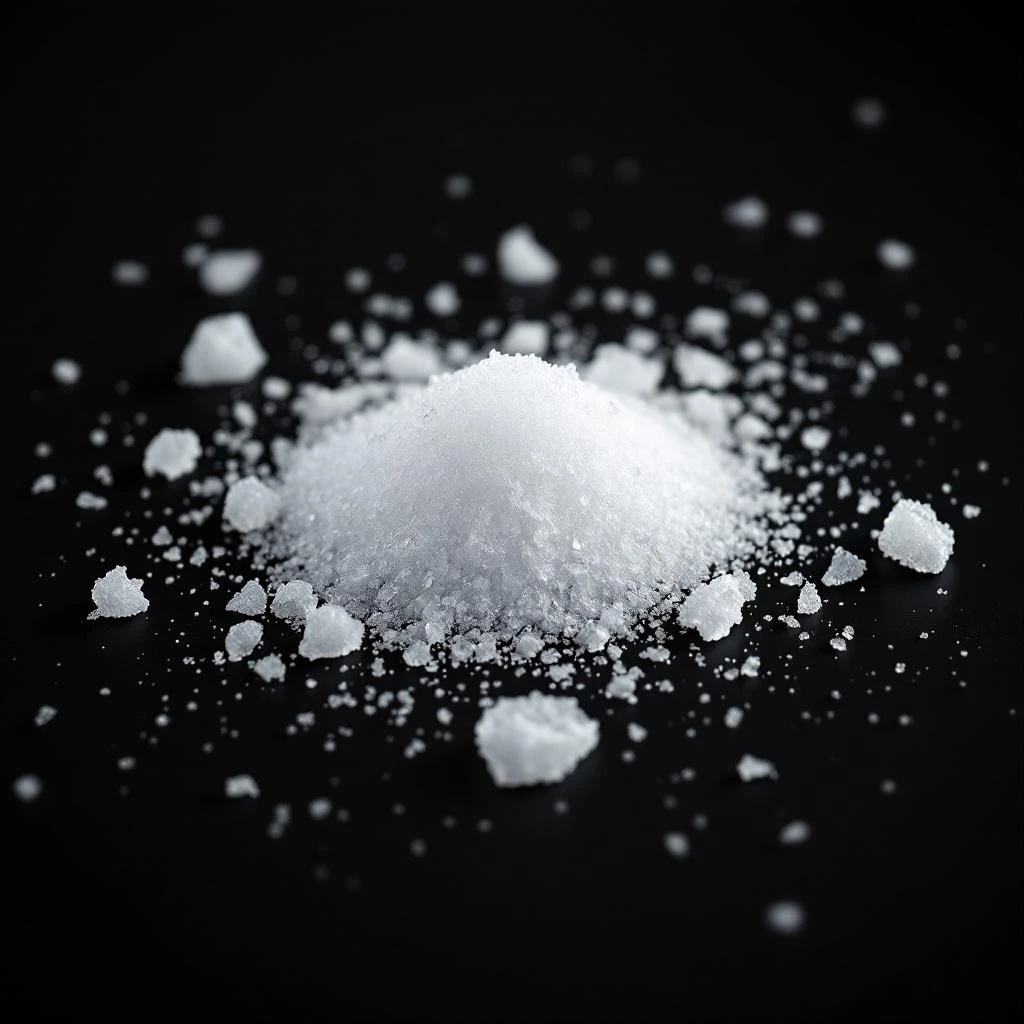
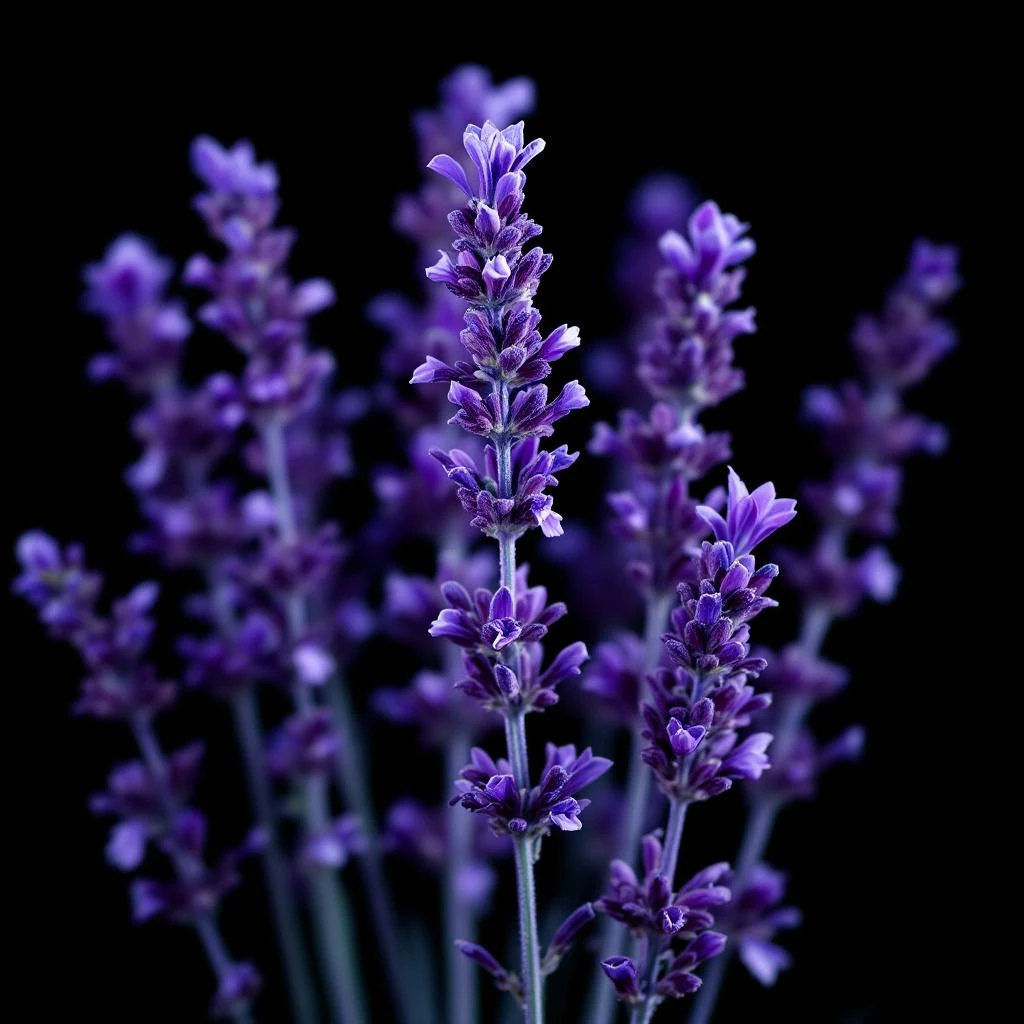
Zefir is a synthetic aromatic aldehyde with a fresh, floral character reminiscent of lilac and lily of the valley. Developed in the late twentieth century, it serves as a modern alternative to natural floral materials, offering perfumers reproducible lilac-like effects in fragrance compositions.

Character
How it smells
A modern synthetic bringing lilac's quiet beauty to contemporary perfumery.
Zefir emerged during the synthetic aldehyde research boom of the 1970s, when fragrance chemistry advanced rapidly in creating new aromatic structures.






Origin
Global production
Zefir belongs to the modern tradition of synthetic perfumery, a discipline that expanded dramatically from the late nineteenth century onward when chemists first learned to isolate and synthesize fragrance compounds. While ancient perfumers worked exclusively with natural materials such as resins, botanicals, and animal products, the emergence of synthetic aromatics opened entirely new olfactory possibilities. Zefir emerged from this modern tradition, joining a wave of new fragrance materials that expanded the perfumer's palette beyond the constraints of nature.
The broader context for Zefir's development lies in the industrialization of fragrance manufacturing, which made consistent, year-round aromatic materials available to perfumers worldwide. Today, synthetic aromatics like Zefir form a significant portion of fine fragrance formulations, reflecting how chemistry continues to shape the art of perfumery.
Wears it best
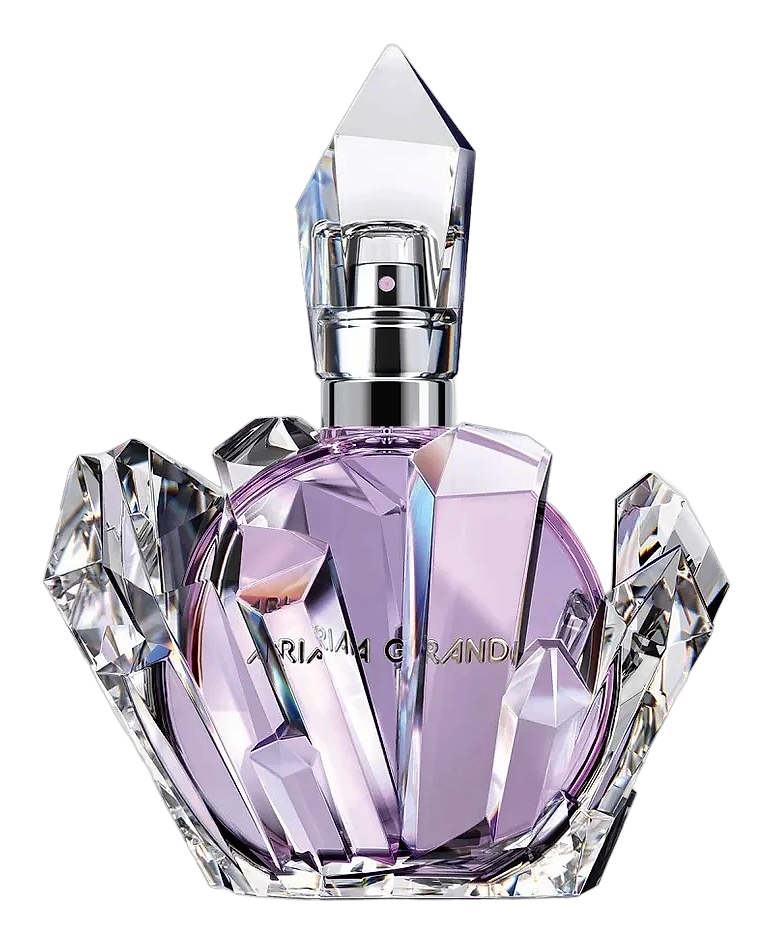
Fragrances featuring Zefir
Brands
Brands known for Zefir
Good to know
Questions, answered
The essentials on Zefir in perfumery: how it smells, where it comes from, and how it behaves on skin.
What does Zefir smell like in perfume?
Zefir smells fresh, floral, and slightly aldehydic, with a characteristic lilac and lily-of-the-valley character. It typically appears in the heart of fragrance compositions, lending a clean, modern floral quality at usage levels ranging from 0.5 to 2 percent depending on the formulation.
Why is Zefir used in perfumery?
Zefir provides a reliable lilac effect that natural materials cannot offer consistently. Synthetic production ensures batch-to-batch reproducibility, while its stability across pH and temperature makes it versatile for fine fragrances, soaps, and cosmetics.
Is Zefir in perfume natural or synthetic?
Zefir is a synthetic fragrance ingredient, not a natural material. It is created through controlled industrial organic synthesis using aromatic aldehyde chemistry, which produces consistent results unavailable from botanical sources.
What famous perfumes contain Zefir?
Specific perfume formulations are proprietary, but Zefir appears across various fine fragrance categories as a supporting heart note. Industry estimates suggest modern synthetic aromatics comprise roughly 25 to 30 percent of ingredients in contemporary fine fragrances.
Is Zefir a top note, heart note, or base note?
Zefir functions primarily as a heart note in perfumery, occupying the middle section of a fragrance where it bridges the opening and dry-down phases. Its lilac and lily-of-the-valley character contributes to the fragrance's main olfactory theme.
What notes pair well with Zefir in perfume?
Zefir pairs naturally with other florals including rose, jasmine, and iris, creating fuller bouquet effects. It also complements green and ozonic notes for added freshness, and works with aldehydes to enhance its bright, radiant quality.
Where does Zefir come from?
Zefir does not come from a natural source. It is a synthetic aromatic aldehyde created through industrial organic chemistry. Major production occurs at flavor and fragrance manufacturing facilities, primarily in Europe and North America.
Is Zefir used in men's or women's fragrances?
Zefir leans feminine due to its floral character, but it appears in both women's and men's fragrances depending on the composition. In masculine scents, it contributes a softer, more nuanced floral quality when designers aim for balanced accords.