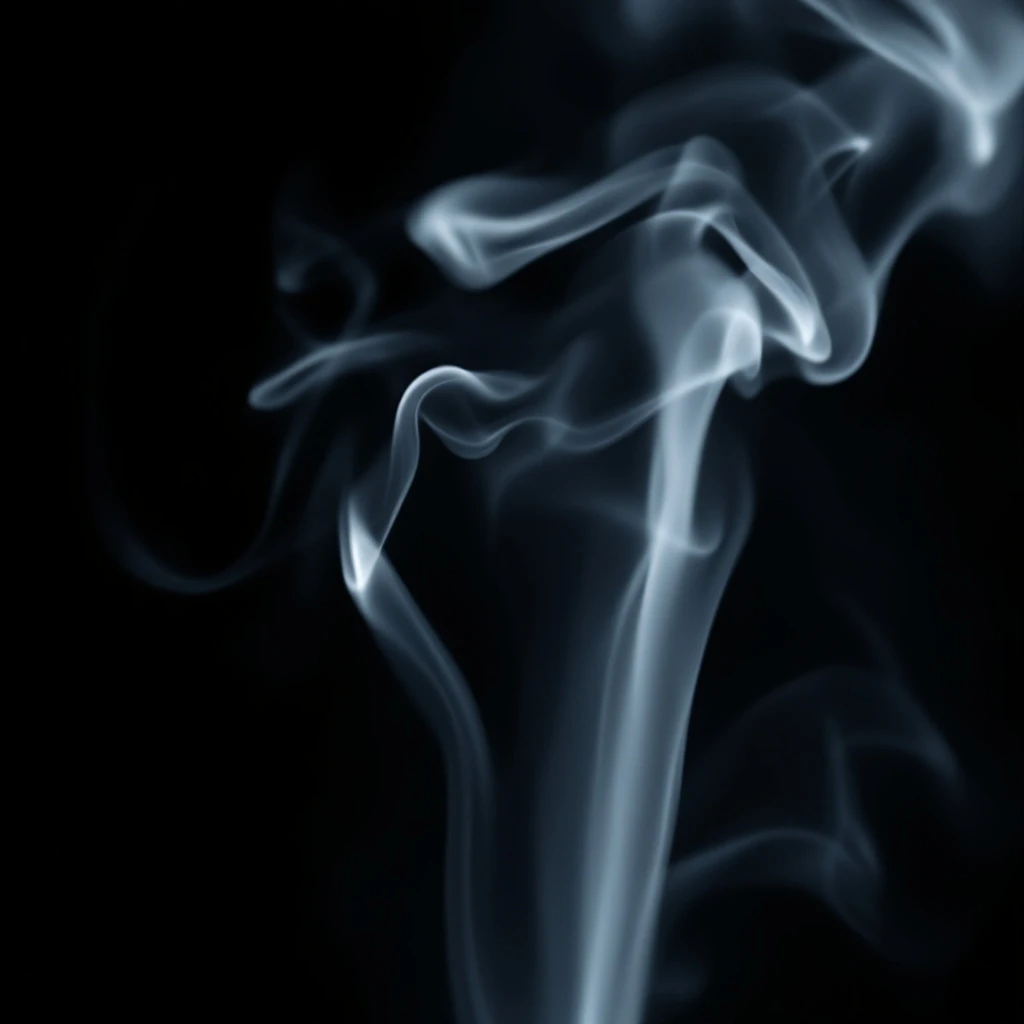
White Smoke
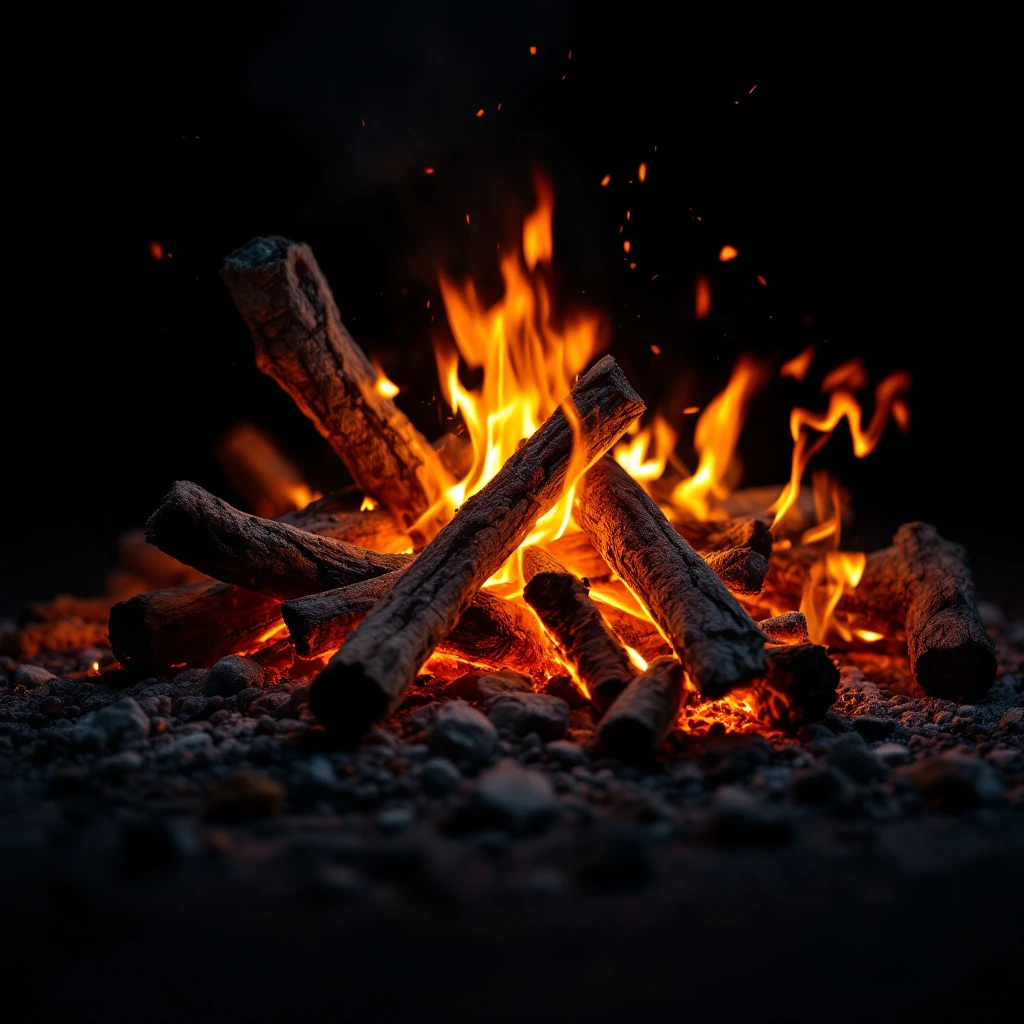
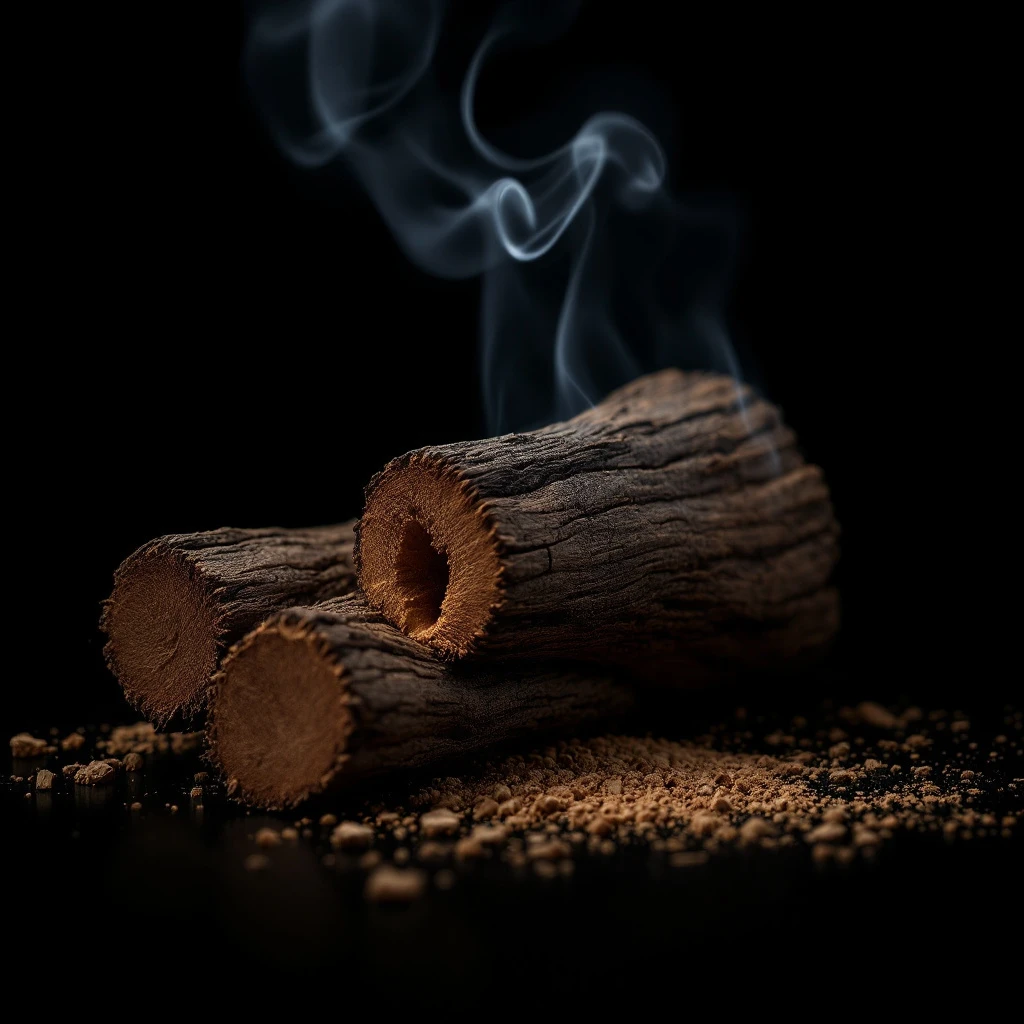
White Smoke captures the clean, ethereal scent of pure combustion—the moment incense first catches flame, before it settles into deeper aromatic complexity. It's the ghost of burning, suspended in air.
Character
How it smells
Clean combustion. Ancient ritual. Modern mystique.
The word 'perfume' comes from Latin 'per fumum' — literally 'through smoke.'
Pairs beautifully with


Origin
Japan
Before people sprayed fragrance, they burned it. Around 4000 years ago in Mesopotamia, ancient cultures burned fragrant resins, woods, and herbs as offerings to deities and as purification rituals. The smoke carried prayers upward and marked the sacred.
Egyptians continued this practice, using kyphi incense burned in temples and homes. The French later gave the name 'parfum' to these smoke-born scents—'per fumum' literally means 'through smoke' in Latin. For millennia, smoke was the only way to wear fragrance.
It clung to fabric, hair, and skin for days, a slow-release scent invisible yet unforgettable. When liquid perfumery emerged in the 19th century, smoke didn't disappear—it became a note, a memory encoded into modern compositions. White Smoke, in particular, recalls that original moment of ignition, the pure flame before the smolder, preserved in a bottle as a nod to fragrance's oldest form.
Wears it best
Fragrances featuring White Smoke
Brands
Brands known for White Smoke
Good to know
Questions, answered
The essentials on White Smoke in perfumery: how it smells, where it comes from, and how it behaves on skin.
What does White Smoke smell like?
White Smoke smells like the clean, initial burst of a flame—ethereal, airy, and almost translucent. It differs from dark smoke notes by being lighter and less tarry, with a hint of warmth rather than heaviness.
Is White Smoke natural or synthetic?
White Smoke is almost always synthetic in modern perfumery. The delicate molecules that create clean-burning smoke are difficult to extract naturally, so perfumers use specific aromatic compounds to recreate the effect.
What perfumes feature White Smoke?
White Smoke appears in many contemporary fragrances, particularly those themed around incense, ritual, or minimalism. It's common in unisex and niche compositions that aim to evoke a sense of sacred space.
How does White Smoke differ from other smoke notes?
Dark smoke notes like oud or birch tar are heavy, lingering, and complex. White Smoke is the opposite—light, fleeting, and clean. It captures the moment of ignition rather than the slow burn.
Why is smoke important in perfume history?
Smoke is the original form of wearable fragrance. Ancient Mesopotamians burned resins around 4000 years ago, and the word 'perfume' itself comes from the Latin 'per fumum,' meaning 'through smoke.'
Can White Smoke be produced naturally?
While some controlled combustion of clean materials like certain resins can produce white smoke, the consistent White Smoke note in perfumery relies on synthetic aromatic molecules for precision and reproducibility.
What occasions suit White Smoke fragrances?
White Smoke fragrances suit contemplative occasions—meditation, evening wear, or spaces meant for focus. The note adds a meditative quality without overwhelming, like incense in a quiet room.
How is White Smoke created in labs?
Perfumers combine specific aromatic molecules—often phenolic compounds and light aldehydes—to simulate the chemical profile of clean, initial combustion. The goal is reproducing the moment a flame first touches incense.