White Saffron
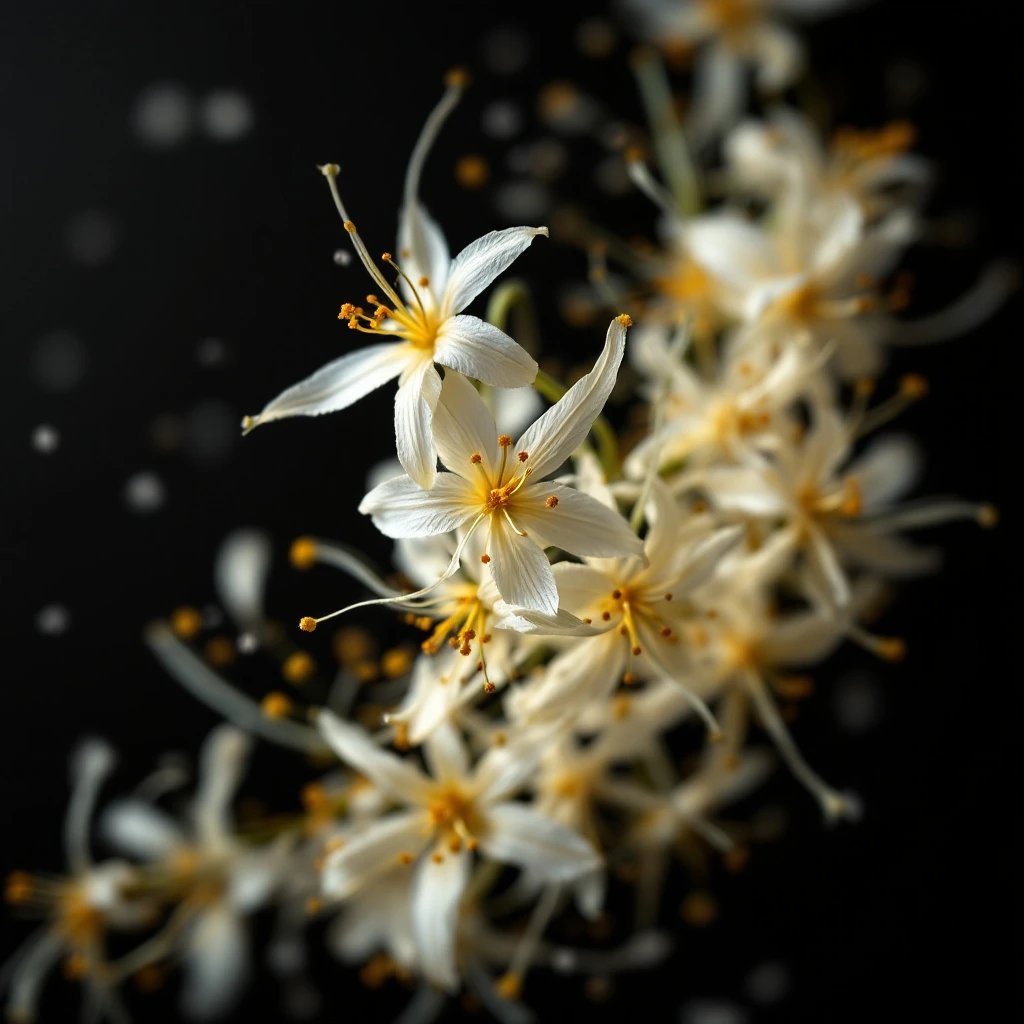
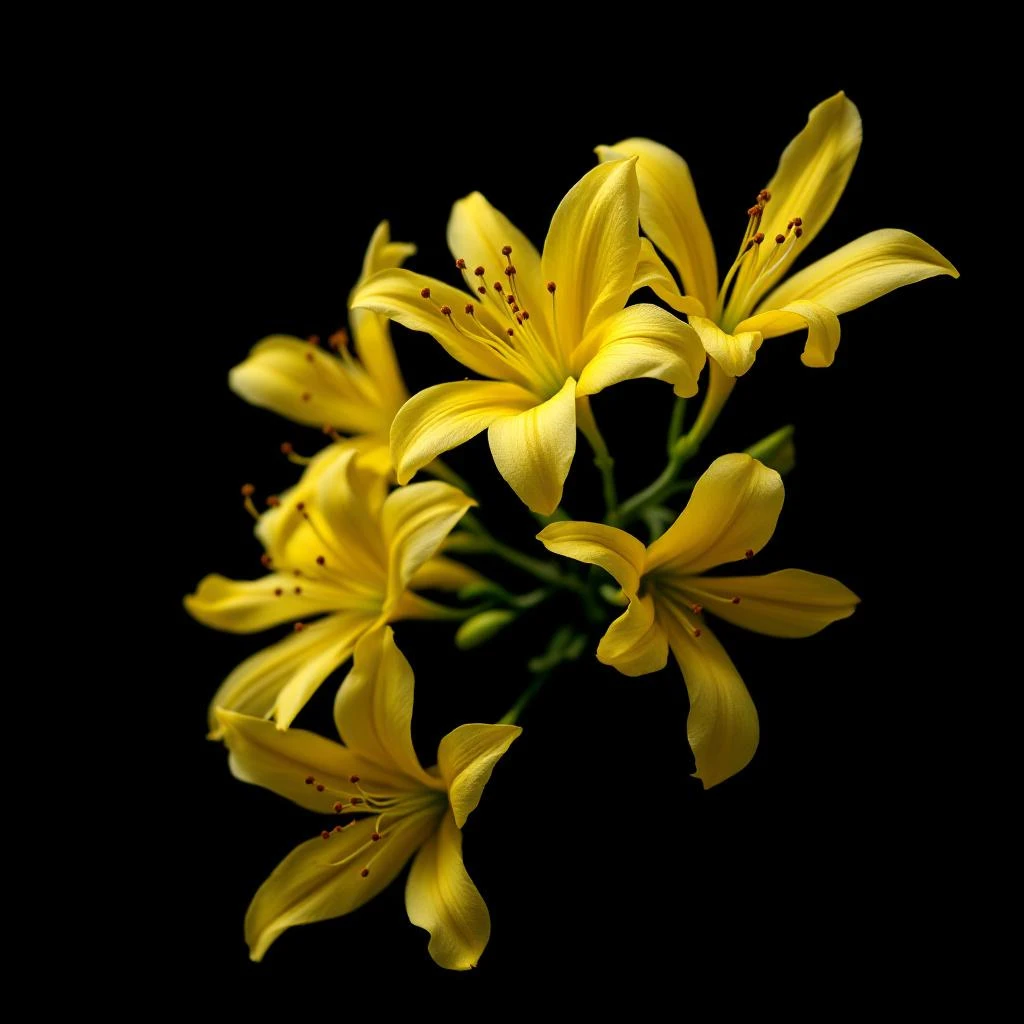
White saffron is the rare pale variant of Crocus sativus stigmas, harvested at the precise moment when the golden threads first emerge. It carries the signature warm spice of its crimson cousin but with an ethereal, almost translucent quality that elevates any fragrance to something extraordinary.
Character
How it smells
The rarest thread of the crocus, distilled to its purest expression.
White saffron represents less than 1% of total global saffron harvest, making it roughly ten times more expensive than standard red stigmas.




Origin
Iran
Saffron threads have colored human civilization for over 3,500 years, with written records from ancient Greece and Persia dating to 1500 BCE. The Khorasan region of Iran remains the ancestral home of crocus cultivation, where the flower's prized stigmas were reserved for royalty and sacred ceremonies.
Greek athletes on Rhodes wore small pouches of saffron for its alleged restorative properties, while Roman emperors scattered crocus petals in their bathwater. The pale variant, accidentally discovered during selective harvesting, was traditionally gifted to the wealthiest patrons.
Chinese medical texts from 1550 CE document saffron's aromatic uses, though white varieties remained so scarce they rarely entered broad trade. Today, this ingredient bridges ancient luxury with modern perfumery's pursuit of the extraordinary.
Wears it best
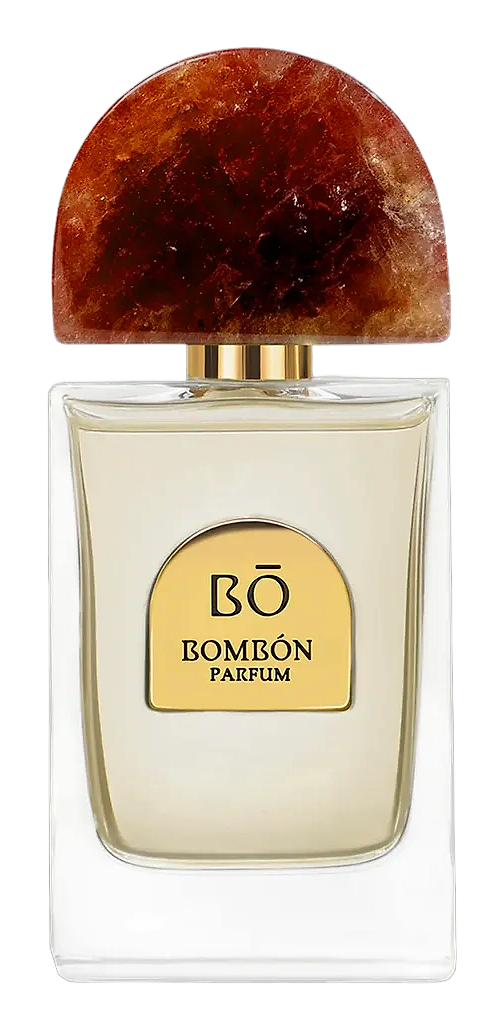
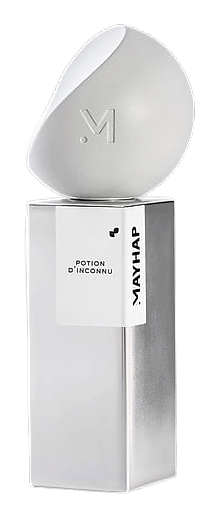
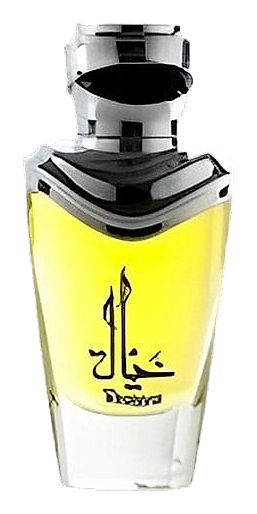
Fragrances featuring White Saffron
Brands
Brands known for White Saffron
Good to know
Questions, answered
The essentials on White Saffron in perfumery: how it smells, where it comes from, and how it behaves on skin.
What does white saffron smell like in perfume?
White saffron opens with warm, honeyed spice and a subtle floral quality that standard saffron lacks. The effect is more transparent and airy, adding depth without the heavy sweetness found in regular saffron. It pairs especially well with woods and musks.
How is white saffron different from regular saffron?
White saffron stigmas are harvested earlier in the flower's development, before oxidation turns them deep red. This earlier harvest yields a more delicate aroma with floral and honeyed facets that complement rather than dominate a fragrance composition.
Why is white saffron so expensive?
Each crocus flower produces only three stigmas, and white specimens represent less than 1% of total harvest. The timing window for harvesting is measured in hours, and all picking must be done by hand before dawn to prevent color development.
Where does white saffron originate?
The finest white saffron still comes from the Khorasan region of northeastern Iran, where Crocus sativus has been cultivated for over three millennia. Kashmir also produces small quantities with distinct aromatic characteristics.
Is white saffron used in luxury perfumery?
Yes, white saffron appears in high-end fragrances as a supporting note that adds elegance and warmth. Its subtle character makes it ideal for compositions where saffron's signature must remain present without overwhelming lighter accords.
Does white saffron have a synthetic alternative?
Some synthetic saffron odorants exist, but none fully replicate the complexity of real saffron. The natural ingredient contains over 150 volatile compounds that interact in ways chemists have not successfully mimicked at reasonable cost.
What extraction method captures white saffron's scent best?
Steam distillation yields an essential oil that preserves the ingredient's delicate, honeyed qualities. The pale stigmas release their aromatic molecules at lower temperatures than fully matured red stigmas, making the process especially sensitive to timing.
Can I smell white saffron in mainstream fragrances?
White saffron remains rare in commercial perfume. It appears more frequently in niche fragrances priced for ingredient quality rather than mass market appeal. When present, it typically appears in the heart notes alongside spices like cardamom and rose.