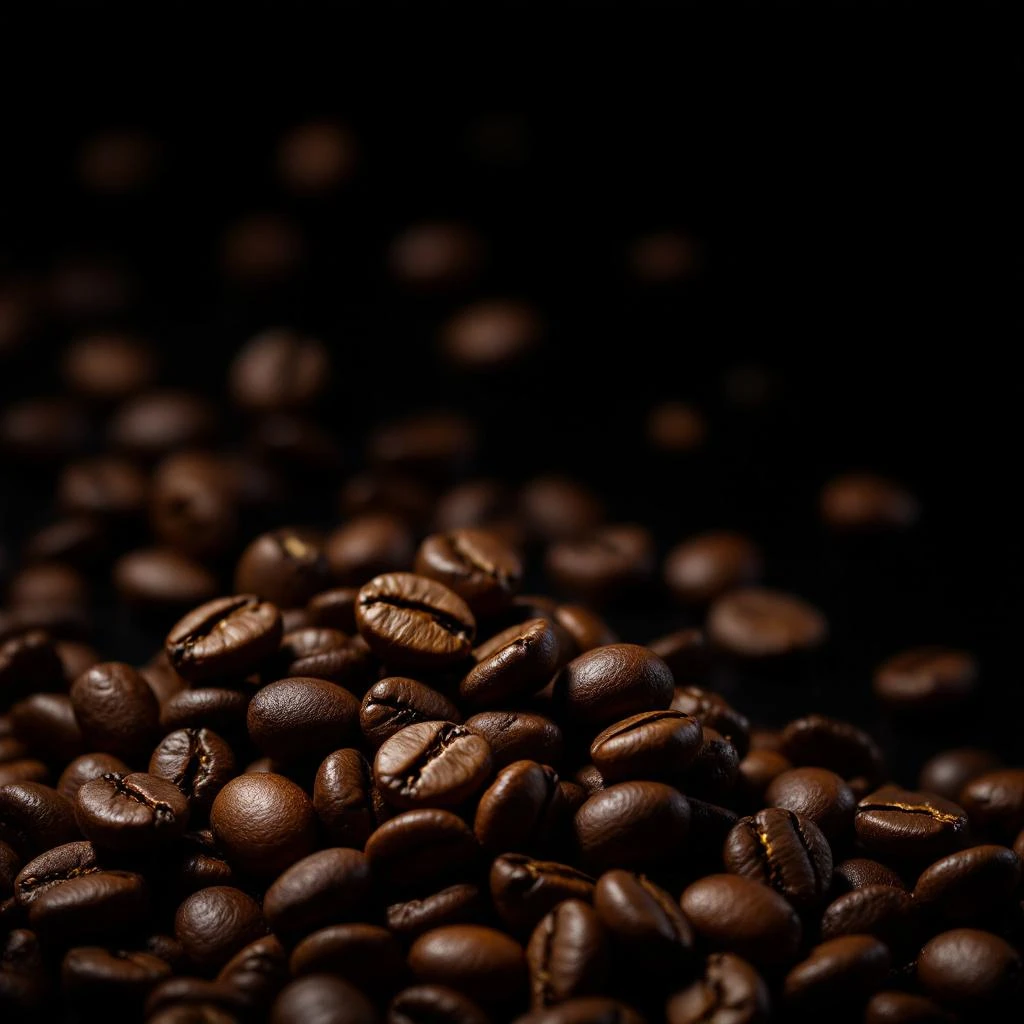
Vanilla Cupcake
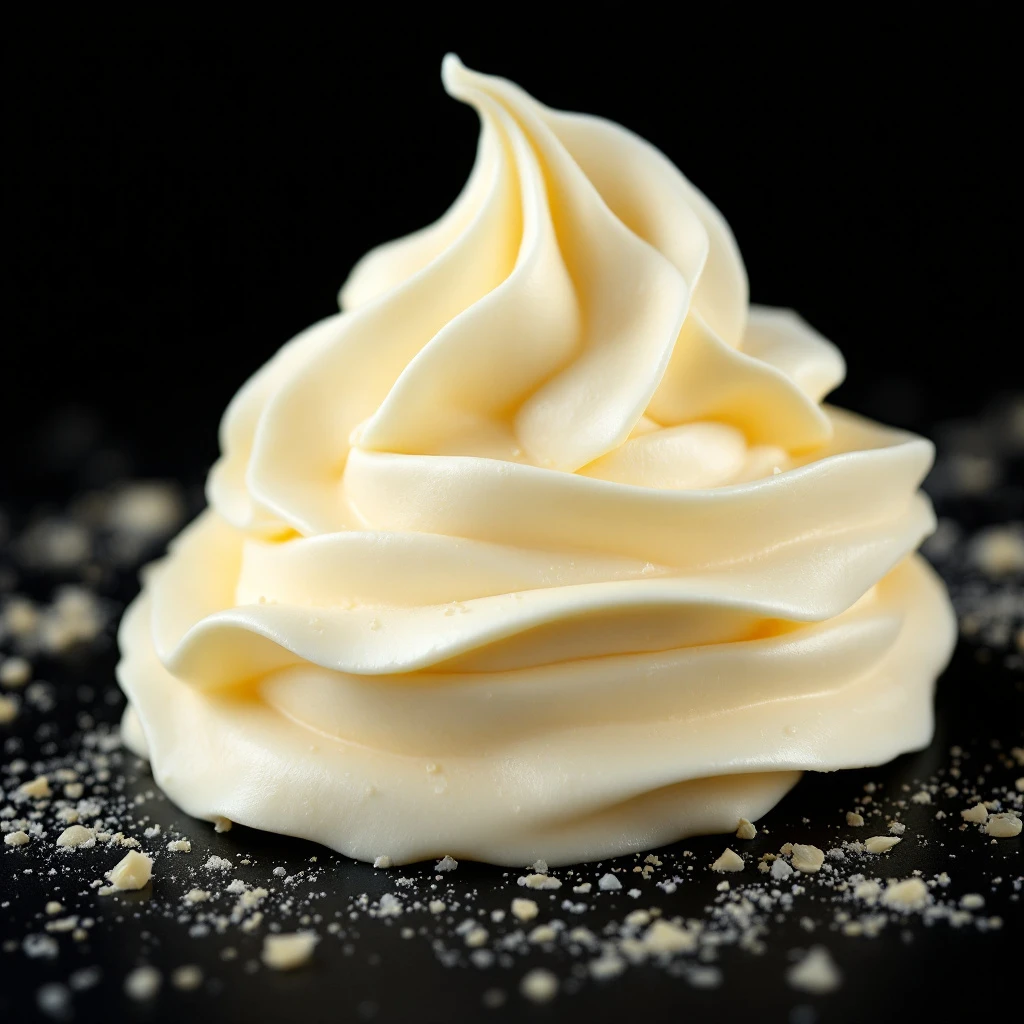
A warm, edible note that evokes fresh vanilla frosting on a just-cooled cupcake. In perfumery, it sits at the sweetest edge of gourmand, lending comfort and indulgence to fragrance compositions.

Character
How it smells
Sweet baked warmth, no oven required.
One vanilla orchid flower opens for just one day. If pollination does not occur in that window, no vanilla bean forms.


Origin
Mexico
Vanilla has a history stretching back to Mesoamerican civilizations. Aztec and Maya peoples used vanilla to flavor cacao drinks and tobacco, and the Spanish conquistadors encountered it in the early 16th century. They brought pods back to Europe, where vanilla became a prized flavoring in baking and confectionery.
Cultivation proved difficult outside tropical America. The orchid's native pollinator did not exist in other regions, leaving vanilla plants unable to set fruit for centuries. In the 1840s, a enslaved worker named Edmond Albius on Réunion Island developed the hand-pollination technique still used today, unlocking global vanilla production. Madagascar became the center of commercial cultivation and still supplies roughly 80% of the world's natural vanilla.
Vanilla appeared in perfumery as early as 1921 when Guerlain used vanillin in Jicky, one of the first fragrances to combine natural and synthetic materials. The edible gourmand movement gained momentum in the 1980s and 1990s, with Thierry Mugler's Angel in 1989 reshaping what perfume could smell like. The vanilla cupcake accord emerged as part of this shift, giving perfumers a consistent, cruelty-free way to introduce warm baked-goods notes without relying on expensive natural vanilla.
Wears it best
Fragrances featuring Vanilla Cupcake
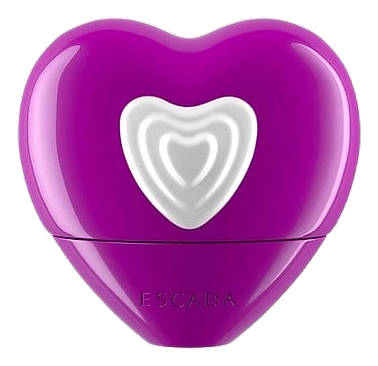

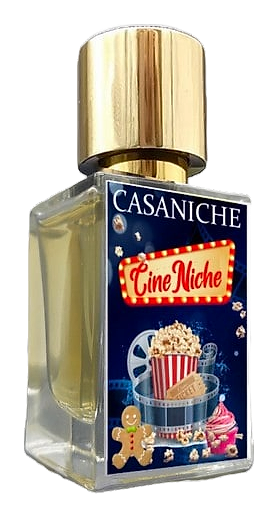
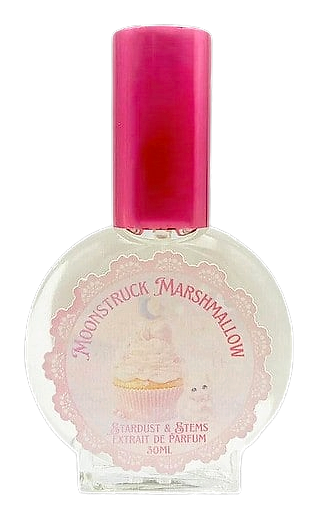
Brands
Brands known for Vanilla Cupcake
Good to know
Questions, answered
The essentials on Vanilla Cupcake in perfumery: how it smells, where it comes from, and how it behaves on skin.
Is Vanilla Cupcake a natural or synthetic ingredient?
The cupcake note is synthetic. It combines natural vanilla absolute with lab-created aroma chemicals to build its warm, sweet character.
What aroma chemicals make up the vanilla cupcake note?
Three primary materials form the accord: vanillin (CAS 121-33-5) provides the creamy vanilla base, ethyl maltol (CAS 4940-11-8) adds warm sugar frosting character, and gamma-decalactone contributes buttery depth.
Why do perfumers use a synthetic cupcake accord instead of natural vanilla alone?
Natural vanilla costs around $500 per kilogram due to labor-intensive hand-pollination and months of curing. Synthetic alternatives offer consistency, lower cost, and reliable supply year-round.
What fragrance families commonly use the vanilla cupcake note?
It appears most often in gourmand and oriental fragrances, but also in florals and amber compositions seeking warmth. Think creamy vanillics and warm skin scents.
What notes pair well with vanilla cupcake in a fragrance composition?
Caramel, tonka bean, sandalwood, and ambergris build warmth around it. Floral additions like orange blossom or iris add complexity without overwhelming the sweet character.
Is the vanilla cupcake note a single chemical or a blend?
It is a blended accord. Perfumers combine multiple materials to recreate the full sensory impression of vanilla frosting rather than relying on one molecule alone.
How should aroma chemicals for this note be stored?
Seal vanillin and ethyl maltol tightly and store in a cool, dark place. Both materials oxidize when exposed to air and light, which alters their scent profile over time.
Is vanillin regulated as an allergen in perfumery?
Yes. Vanillin is listed as a potential allergen under EU cosmetic regulation 1223/2009 and must be declared on product ingredient lists when used above threshold levels.