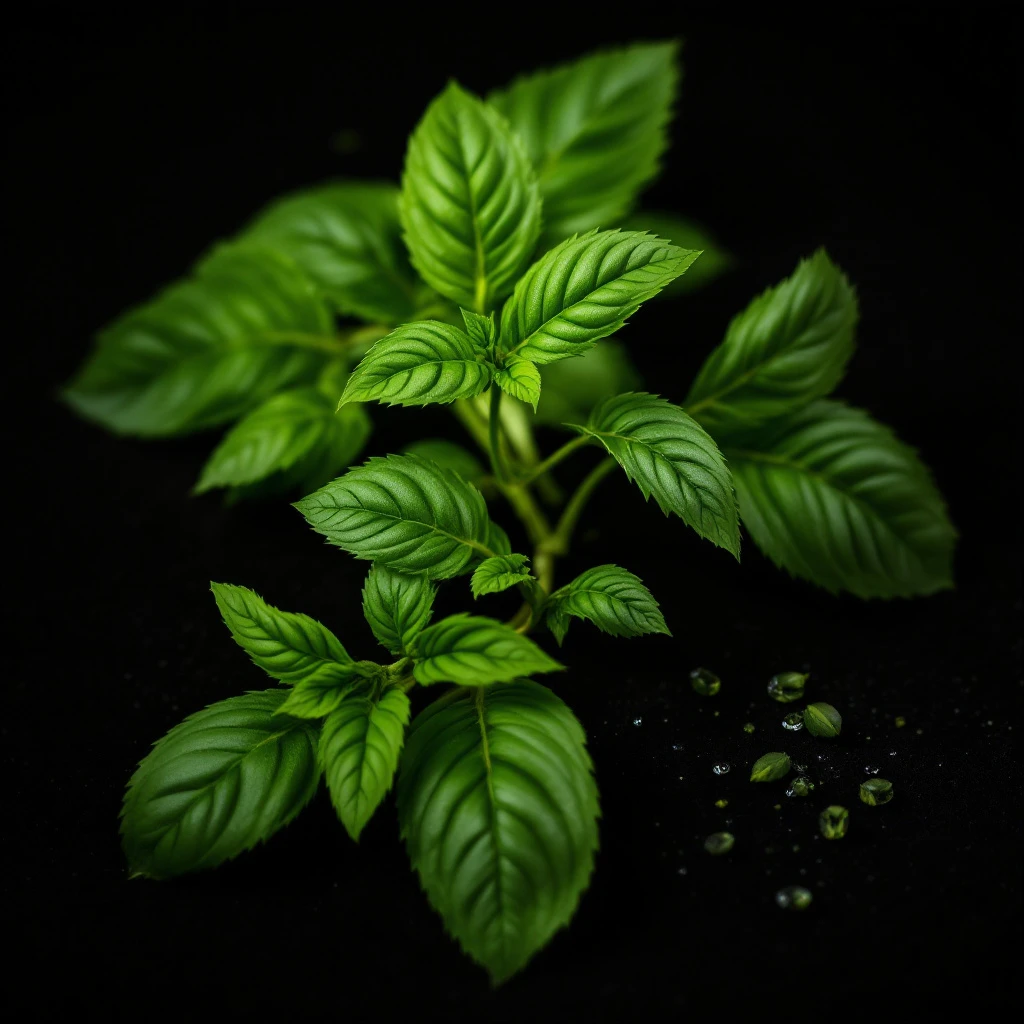
Tuscany basil
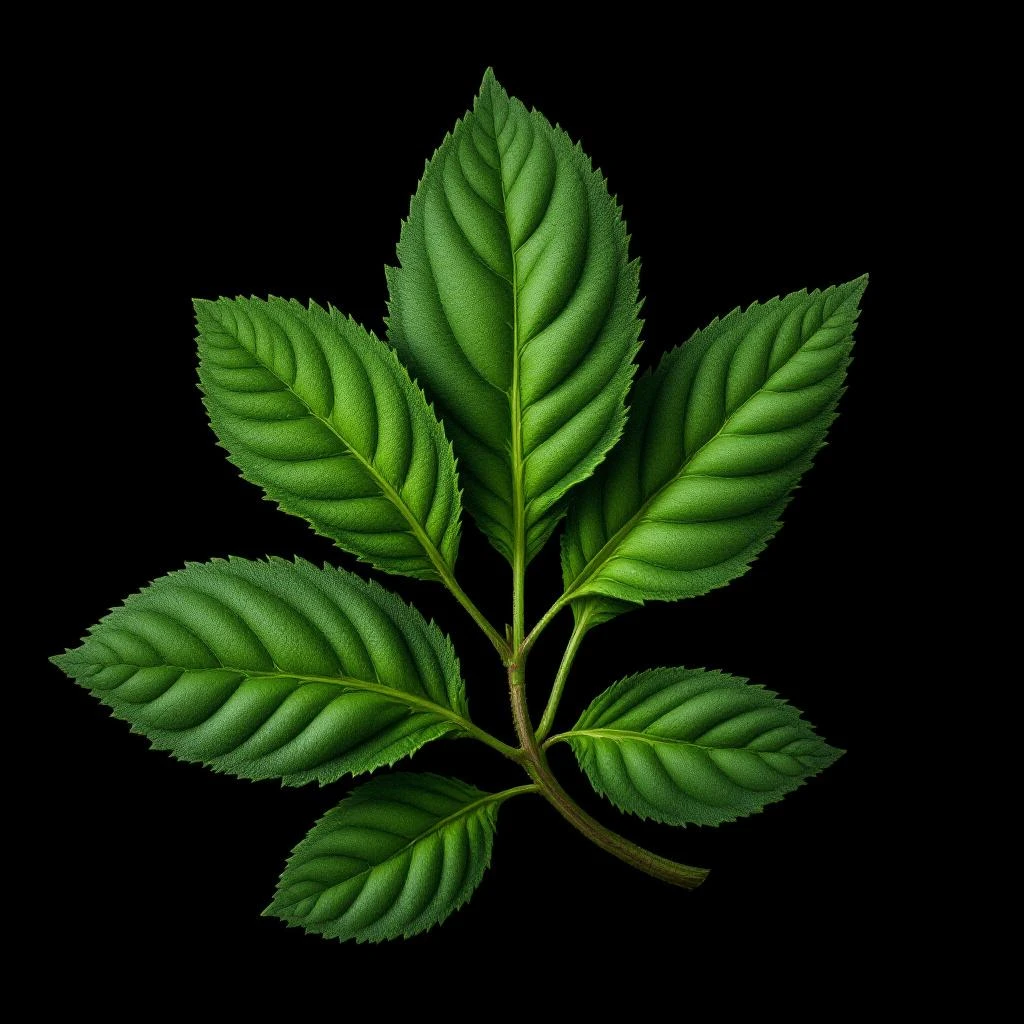
Wild and aromatic, Tuscany basil brings a sharp, green freshness to fragrances that evokes sun-drenched Mediterranean hillsides and the heat of Italian afternoons.
Character
How it smells
Green, anise-forward, unmistakably Mediterranean.
In Tuscany, wild basil thrives in the same dry, sunny conditions that define the region's famed vineyards, absorbing the landscape's intensity.



Origin
Italy
Basil's use spans ancient civilizations. Egyptians employed it in religious rituals and burial practices, valuing its aromatic intensity. From there, the herb traveled through Greek and Roman cultures, eventually becoming central to Mediterranean cuisine and traditional medicine.
Italian perfumery developed during the Renaissance, building on these ancient traditions. When Catherine de Medici brought her perfumer from France in the 16th century, she accelerated techniques that drew from Egyptian and Mediterranean botanical knowledge. Tuscany emerged as a prime growing region for aromatic herbs, its climate and soil producing material with distinctive character.
The connection between Italian perfumery and local botanical ingredients remains strong today, with Tuscan basil representing a specific expression of this heritage. The word perfume itself derives from the Latin per fumum, meaning through smoke, referencing the ancient practice of burning aromatic plants. Tuscan basil continues this lineage, carrying thousands of years of use into modern fragrance compositions.
Wears it best
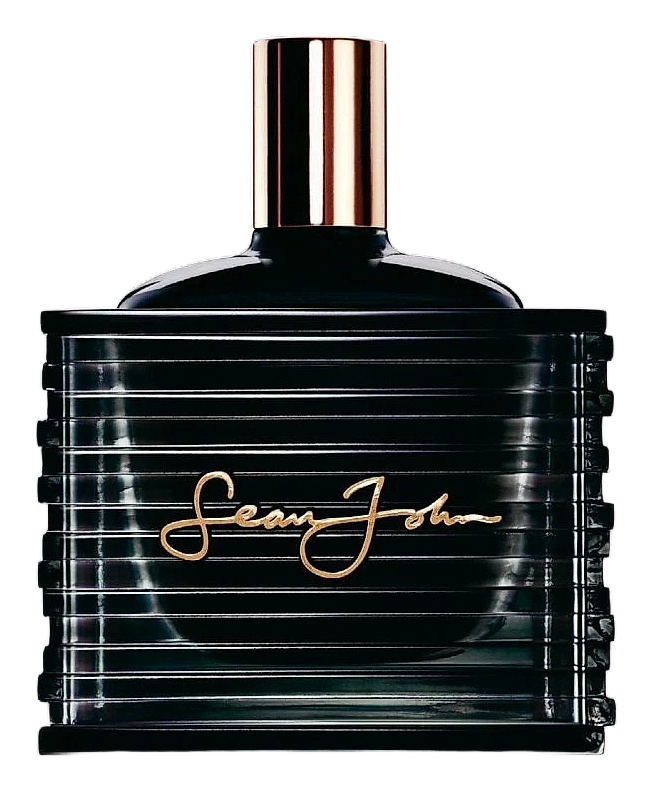
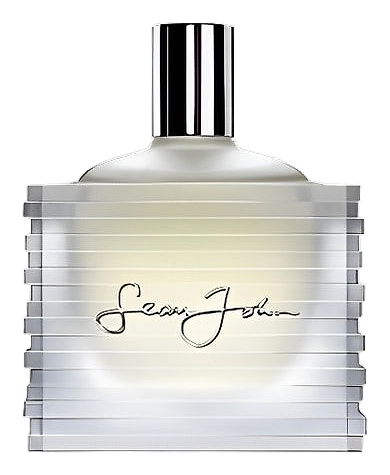
Fragrances featuring Tuscany basil
Brands
Brands known for Tuscany basil
Good to know
Questions, answered
The essentials on Tuscany basil in perfumery: how it smells, where it comes from, and how it behaves on skin.
What does Tuscany basil smell like?
Tuscan basil presents a bright, green aroma with pronounced anise and clove notes. The overall impression is herbaceous and distinctly Mediterranean, different from sweet basil varieties.
Where does Tuscany basil originate?
Tuscan basil comes from central Italy, where warm, dry summers create ideal growing conditions. Italian perfumery developed in the 16th century, establishing traditions that prioritize locally sourced botanical ingredients.
How is basil extracted for perfumery?
Solvent extraction yields basil absolute, a denser and more complex aromatic material. Steam distillation produces a lighter essential oil suitable for aromatherapy. The distinction matters for perfumery applications.
What part of the basil plant is used?
Only the leaves are used in perfumery. They contain the highest concentration of aromatic oils. Stems and flowers lack sufficient volatile compounds for fragrance work.
When is basil harvested for perfumery?
Leaves must be harvested before flowering. At this stage, volatile oil content reaches its peak. Later harvesting produces lower-quality material with diminished aromatic properties.
Is organic cultivation available for Tuscany basil?
Organic farming is becoming more common in Tuscany, though conventional cultivation still occurs in some areas. Certifications like USDA Organic or COSMOS can help identify responsibly sourced material.
Which fragrances feature Tuscany basil?
Tuscan basil appears as a top note in several fragrance families, particularly in herbaceous and citrus compositions. It adds freshness and green character to men's fragrances and niche scents.
Can basil be synthesized instead of using natural material?
Synthetic versions of key aromatic compounds like linalool and estragole exist. However, natural Tuscan basil captures the full complexity of the plant, including subtle variations that synthetic alternatives cannot replicate.