Moroccan tangerine
A burst of sun-drenched sweetness from Morocco's warm valleys. Tangerine essential oil captures the vibrancy of ripe citrus in a shimmering, joyful top note that energizes any blend.
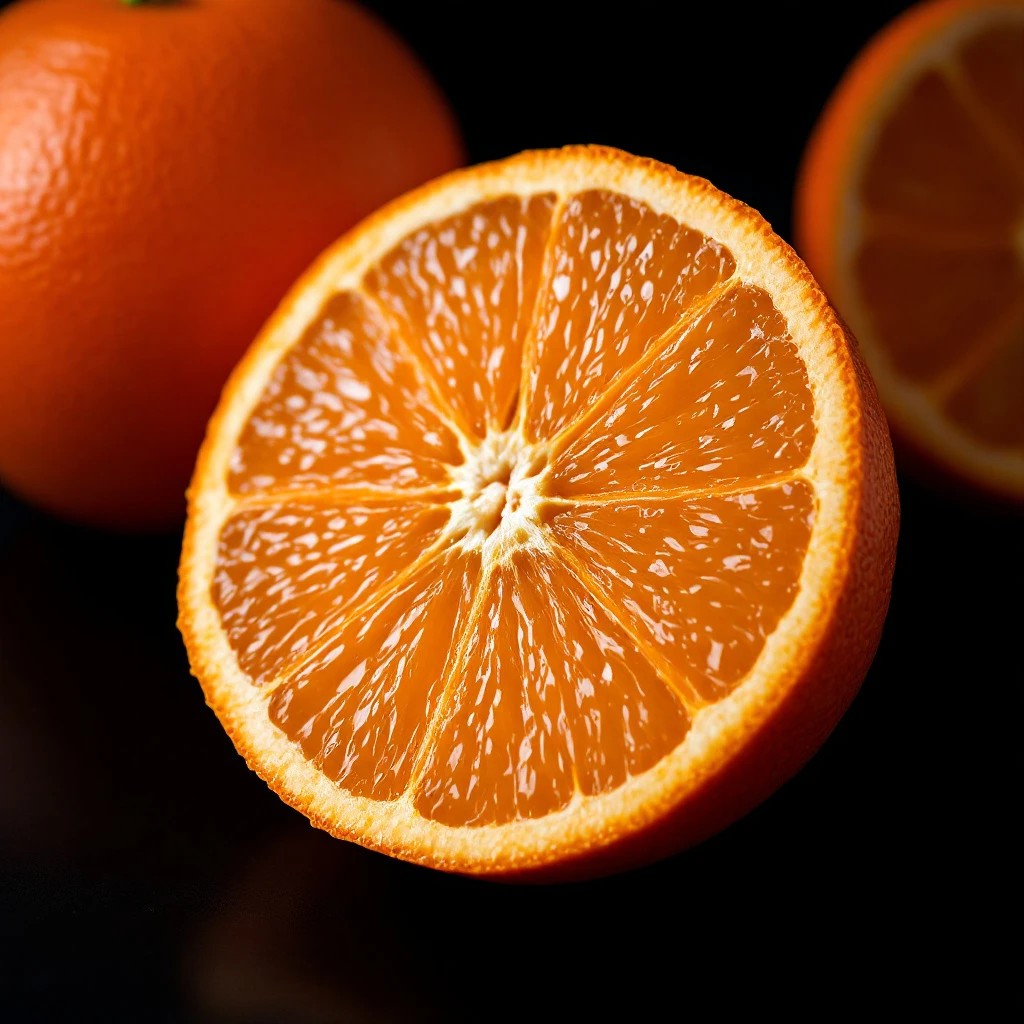
Character
How it smells
Sunlit citrus sparkle from North Africa
The tangerine's name traces back to Tangier, Morocco—where European traders first encountered and exported this vibrant citrus variety in the 19th century.




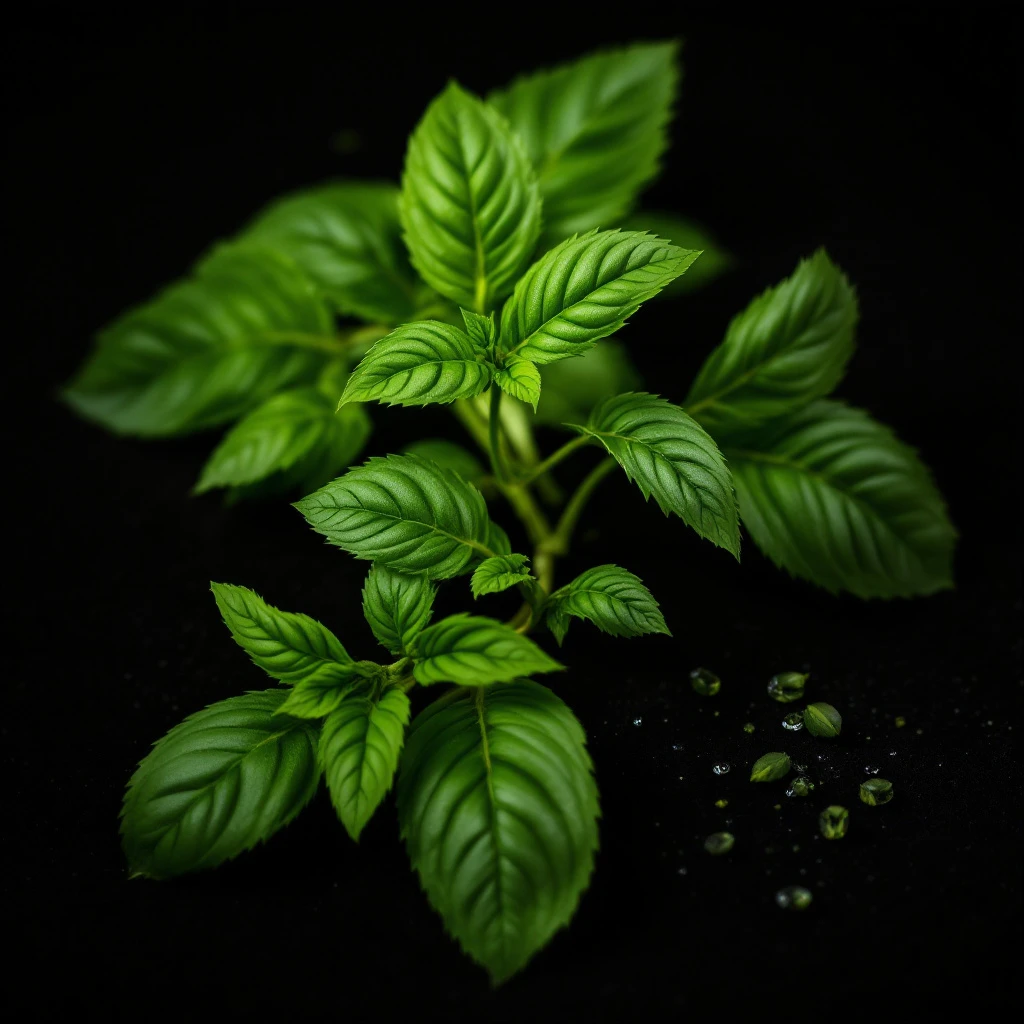
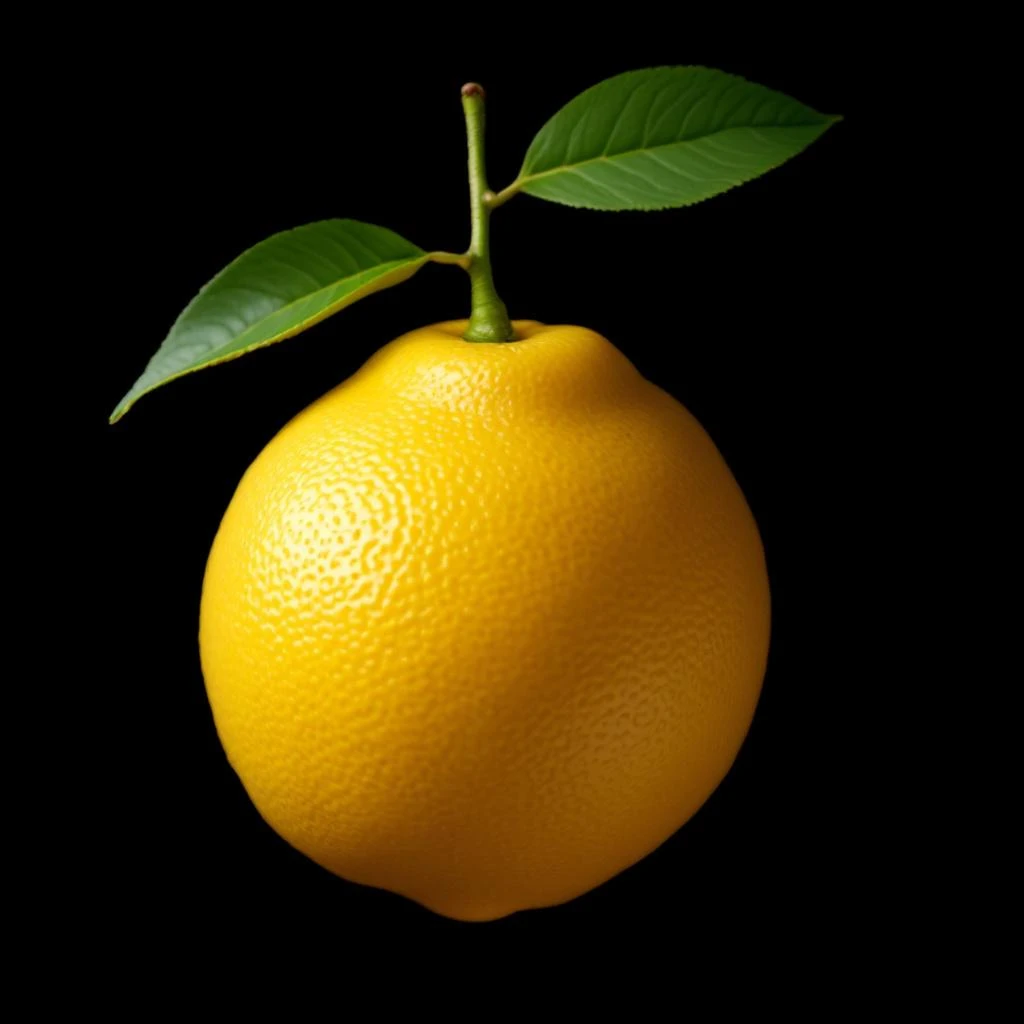
Origin
Morocco
The tangerine's story is inseparable from Morocco's historic port of Tangier. During the 19th century, European traders discovered this loose-skinned citrus at Moroccan markets and began exporting it to ports across the continent.
The fruit proved so distinctive from ordinary oranges that merchants named it after Tangier itself. Morocco's citrus industry flourished under French colonial influence in the early 20th century, with groves expanding across the Gharb plain and foothills of the Atlas Mountains.
Perfumers in Grasse, France—the historic heart of European perfumery—began incorporating Moroccan tangerine oil into compositions during this period, valuing its sweeter, more complex character compared to other citrus oils. Today, Morocco remains a significant producer of citrus for fragrance, with groves spanning thousands of hectares in regions like Berkane and El Jadida, continuing a tradition that began at the crossroads of Mediterranean trade.
Wears it best
Fragrances featuring Moroccan tangerine
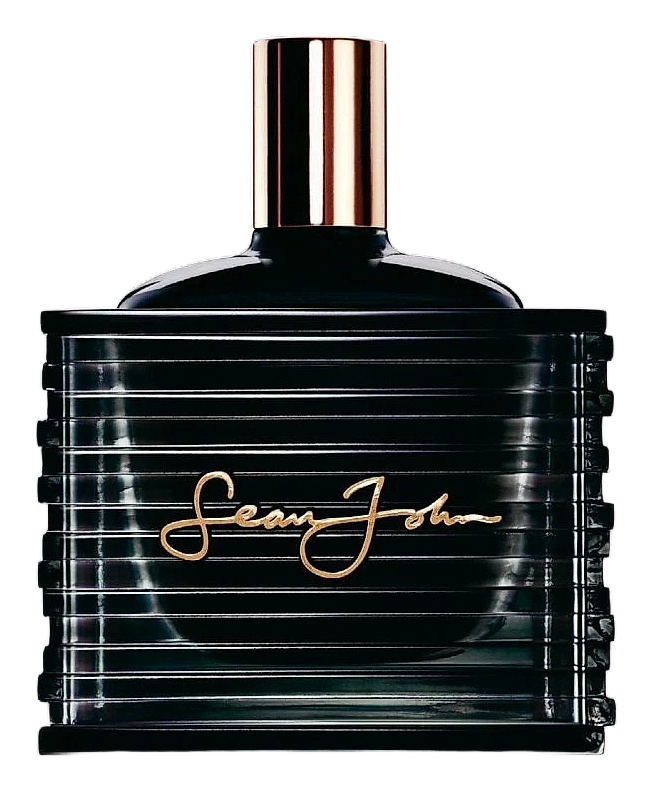
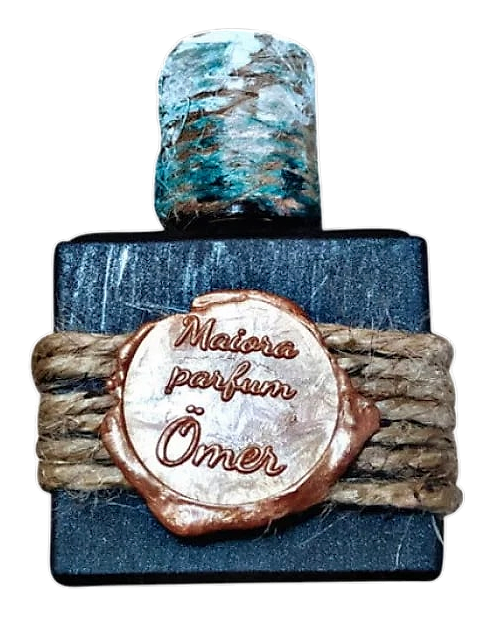
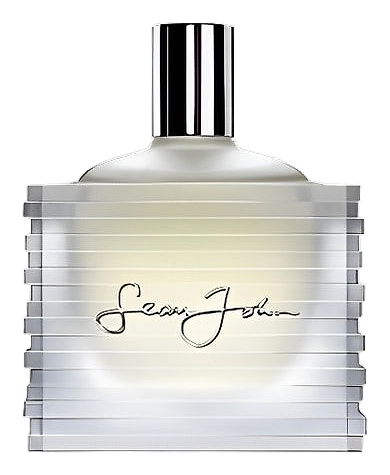
Brands
Brands known for Moroccan tangerine
Good to know
Questions, answered
The essentials on Moroccan tangerine in perfumery: how it smells, where it comes from, and how it behaves on skin.
Where does Tangerine Essential Oil for perfumery come from?
The primary source is Morocco, where the fruit's name originates. The Tadla-Azilal and Gharb regions produce the majority of perfume-grade tangerine oil. Brazil and Italy also contribute to global supply.
What compounds give tangerine its characteristic scent?
Limonene dominates at 90-95%, creating the bright citrus signature. Gamma-terpinene adds herbal warmth at 0.5-2%, while smaller quantities of myrcene and linalool contribute depth.
How is tangerine oil extracted from the fruit?
Cold pressing mechanically ruptures citrus peel cells, releasing essential oil without heat. This method preserves volatile top-note compounds better than steam distillation, resulting in a brighter, more authentic citrus scent.
What is the difference between tangerine and mandarin oil?
Tangerine (Citrus reticulata) smells sharper with more terpenic brightness. Mandarin (Citrus unshiu) offers a gentler, sweeter orange character with softer floral undertones. Both serve as fresh top notes in perfumery.
Can tangerine oil be synthetically replicated?
Yes, synthetic limonene and fragrance modifiers can approximate tangerine, but natural oil retains nuanced terpene profiles that synthetic versions cannot fully replicate. Natural remains preferred for premium formulations.
What safety considerations apply to tangerine oil use?
Cold-pressed tangerine oil is phototoxic due to furanocoumarin content and requires dilution below 0.4% in leave-on skin applications. Unlike Bergamot, it does not require Bergapten-free processing for standard use levels.
How long does tangerine oil last in storage?
Properly stored in dark glass bottles away from heat, tangerine oil maintains quality for 2-3 years. Refrigeration extends shelf life, though the oil may solidify slightly in cool temperatures—this normalizes at room temperature.
What fragrance families pair well with tangerine?
Tangerine integrates seamlessly into citrus, floral, and green fragrance families. It pairs naturally with neroli, orange blossom, violet leaf, and marine notes. In oriental compositions, it adds unexpected brightness against deeper base materials.