Tonkalactone®
Tonkalactone® captures the warm, sweet character of tonka bean through precise molecular synthesis, delivering the beloved coumarin-like aroma that perfumers have prized since 1882 without regulatory constraints of the natural material.

Character
How it smells
The synthetic soul of tonka's warmth
In 1882, coumarin's debut in Houbigant's Fougère Royale launched an entirely new perfume family still thriving today.





Origin
United Kingdom (first synthesized)
The story of Tonkalactone® traces to 1868, when chemist William Henry Perkin first synthesized coumarin, the compound responsible for tonka bean's distinctive scent. This breakthrough arrived during a transformative period in perfumery, when synthetic aroma chemicals began reshaping the craft. In 1882, perfumer Paul Parquet incorporated synthetic coumarin into Fougère Royale by Houbigant, creating a fragrance so original it birthed an entirely new perfume family—the fougères.
Natural tonka beans come from the Dipteryx odorata tree, called Coumarou by indigenous peoples of Venezuelan and Guyanese rainforests, where the sweet-smelling seeds have been valued for centuries. Tonkalactone® continues this legacy, translating a rainforest seed's character into a reliable synthetic tool for modern perfumery.
Wears it best
Fragrances featuring Tonkalactone®
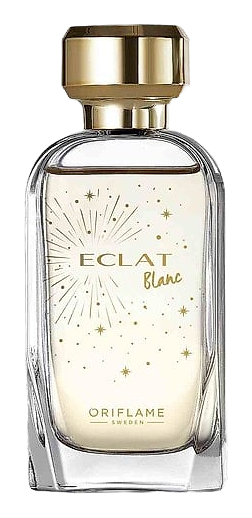
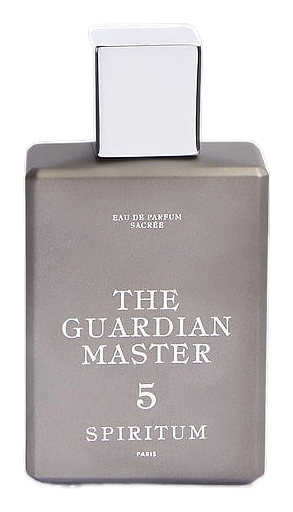

Brands
Brands known for Tonkalactone®
Good to know
Questions, answered
The essentials on Tonkalactone® in perfumery: how it smells, where it comes from, and how it behaves on skin.
What does Tonkalactone® smell like?
Tonkalactone® delivers warm, sweet tonka bean character with notes of vanilla, tobacco, and coumarin. It adds depth and roundness to fragrance compositions.
Why is Tonkalactone® used instead of natural tonka bean?
Natural tonka beans contain coumarin, which faces regulatory restrictions in some markets. Tonkalactone® provides the same aromatic profile consistently.
When was coumarin first synthesized?
Chemist William Henry Perkin first synthesized coumarin in 1868, marking a turning point in fragrance history.
What perfume family did coumarin create?
In 1882, Paul Parquet used coumarin in Fougère Royale, creating the fougère family—one of the few fragrance families named after a single ingredient.
Where do natural tonka beans originate?
Tonka beans come from the Dipteryx odorata tree, called Coumarou, native to rainforests in Venezuela, Guyana, and surrounding regions.
Is Tonkalactone® safe for all fragrance applications?
Tonkalactone® is synthesized to avoid coumarin restrictions, making it more versatile for formulators than natural tonka extracts.
How does Tonkalactone® enhance perfume compositions?
It adds warmth, sweetness, and a signature tonka character that pairs well with woods, florals, and orientals, providing lasting depth.
What scent families commonly use Tonkalactone®?
Fougères, orientals, and warm woody fragrances most commonly feature this ingredient, though it appears across many families for its versatility.