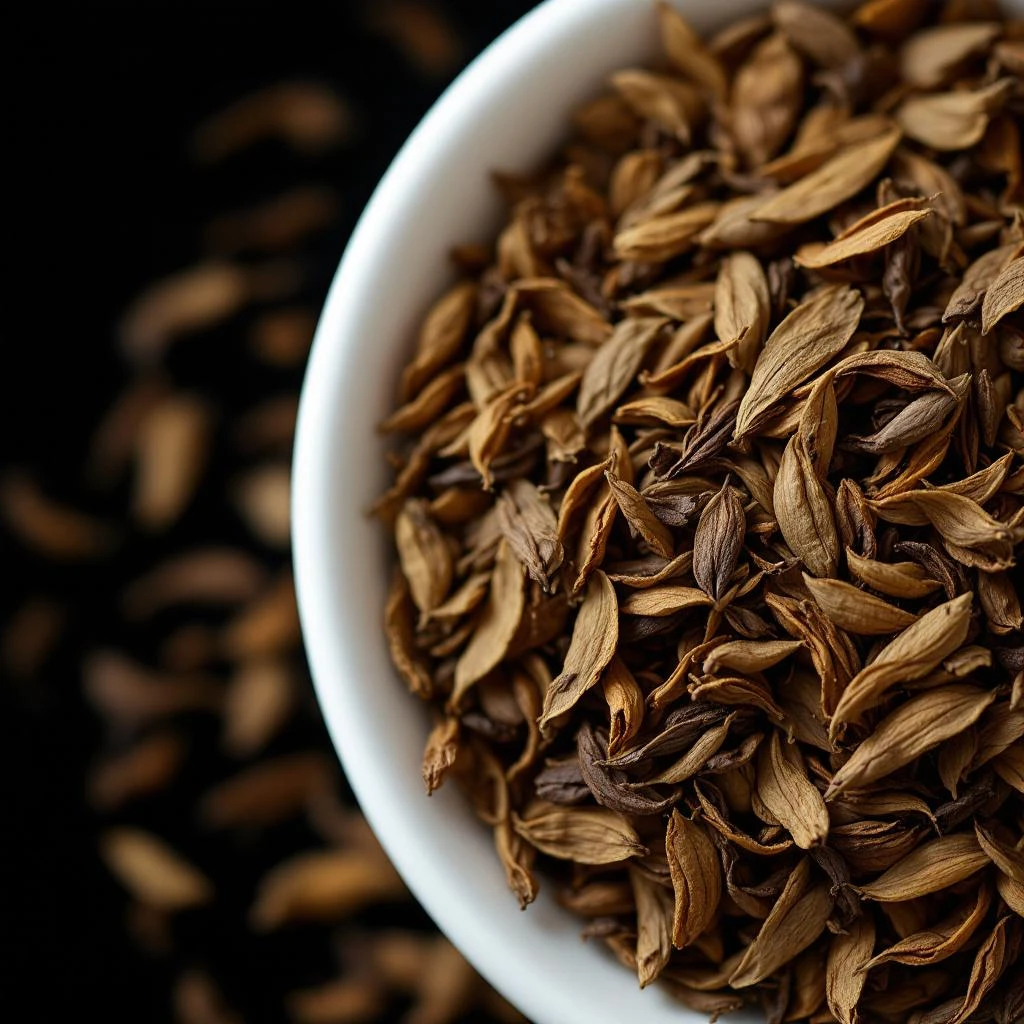
Tangerine Green Leaves
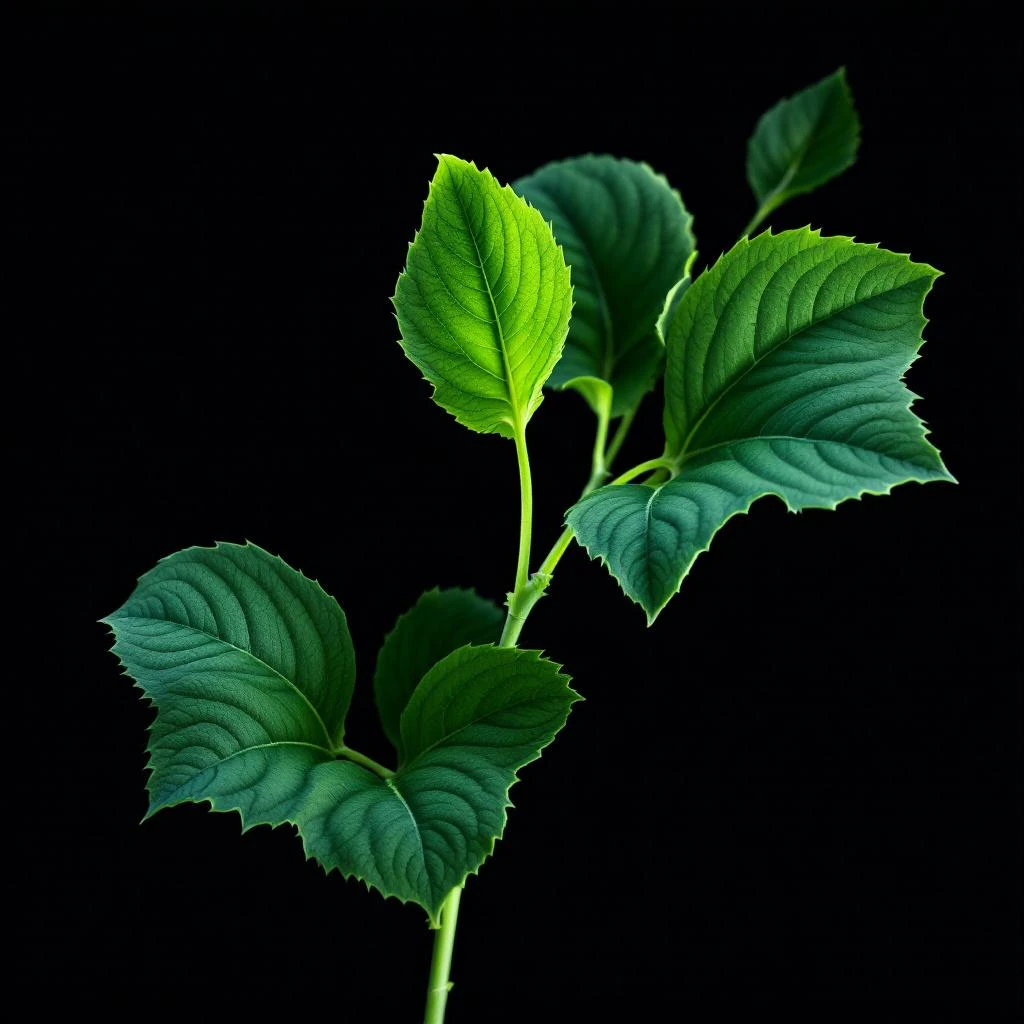
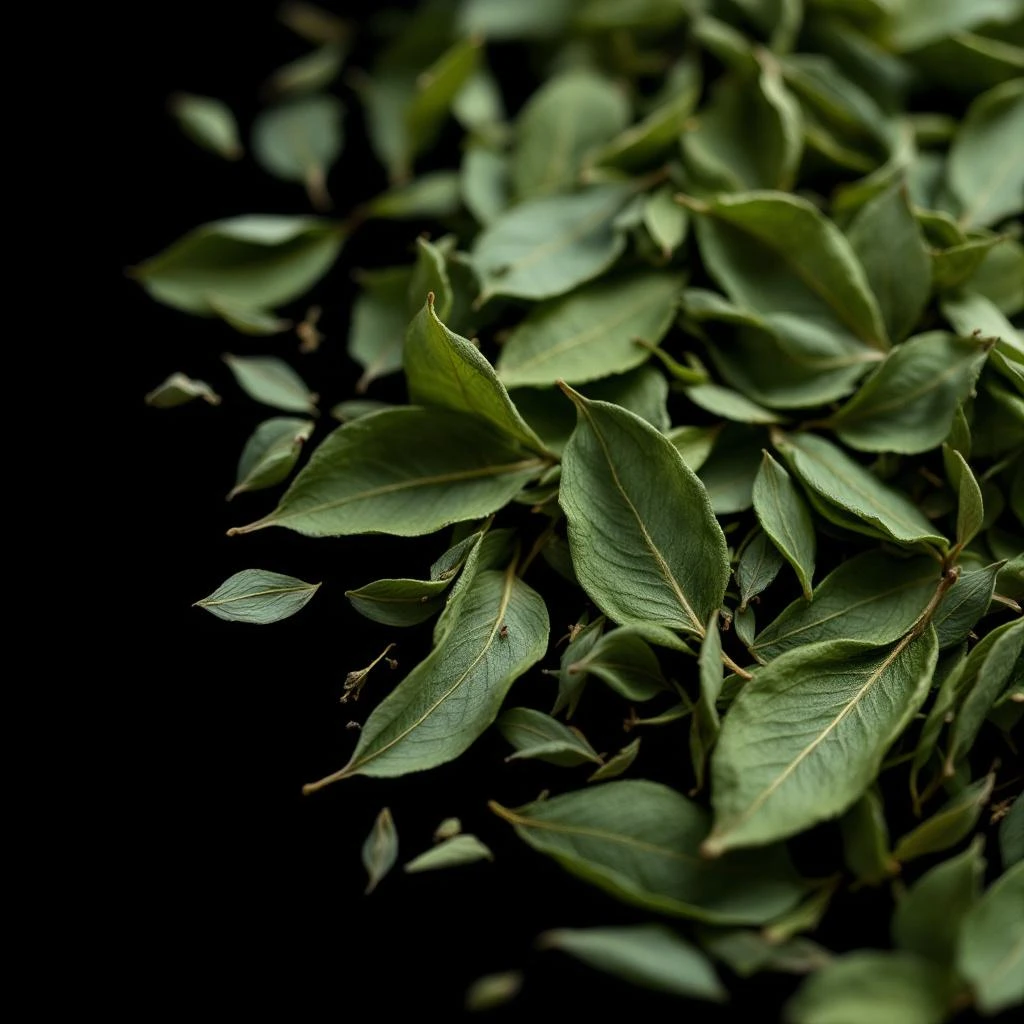
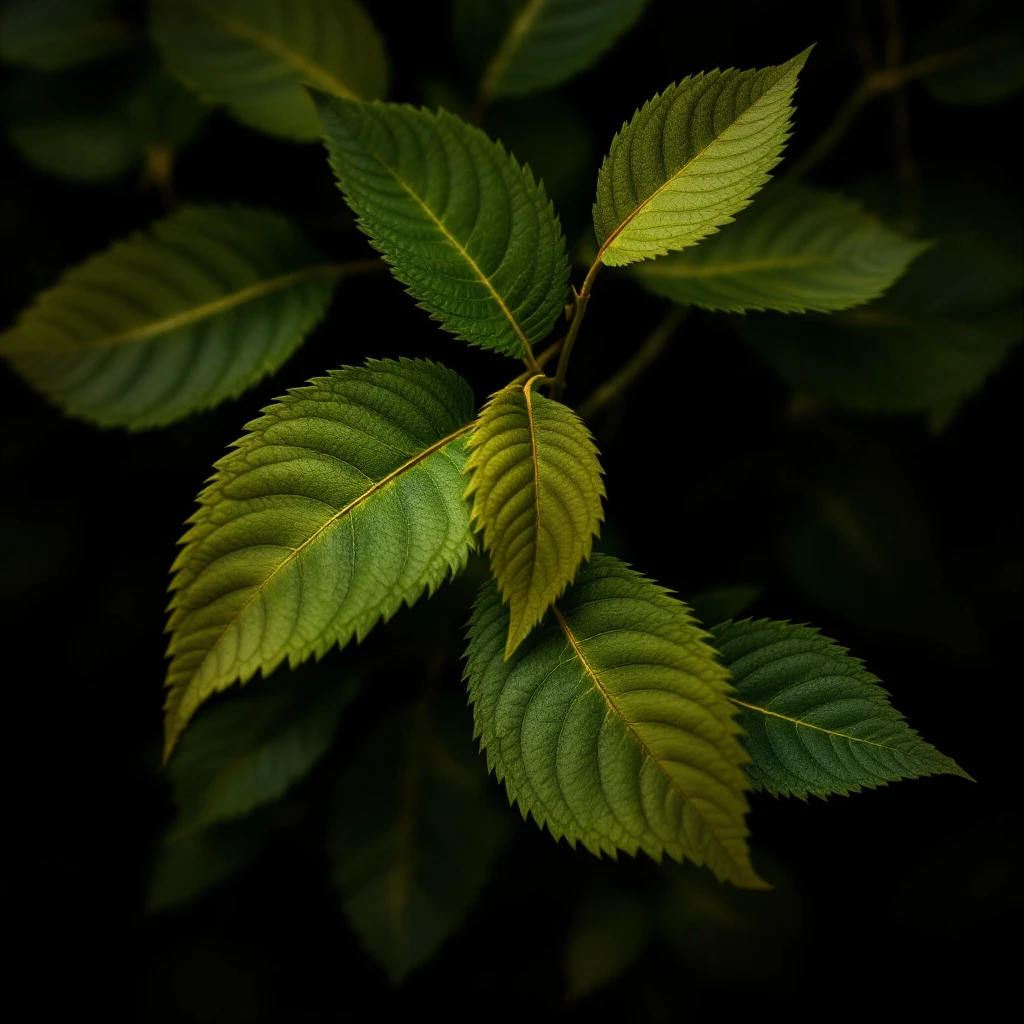
A crisp, verdant citrus note that captures the bright, metallic-green character of tangerine tree leaves. It brings a bitter freshness that bridges the gap between fruity zest and herbaceous petitgrain.
Character
How it smells
Bitter-green citrus brightness from tangerine tree leaves.
Tangerine leaves yield an unexpected metallic-citrus note that perfumers value for adding green depth without any sweetness.
Pairs beautifully with

Origin
China
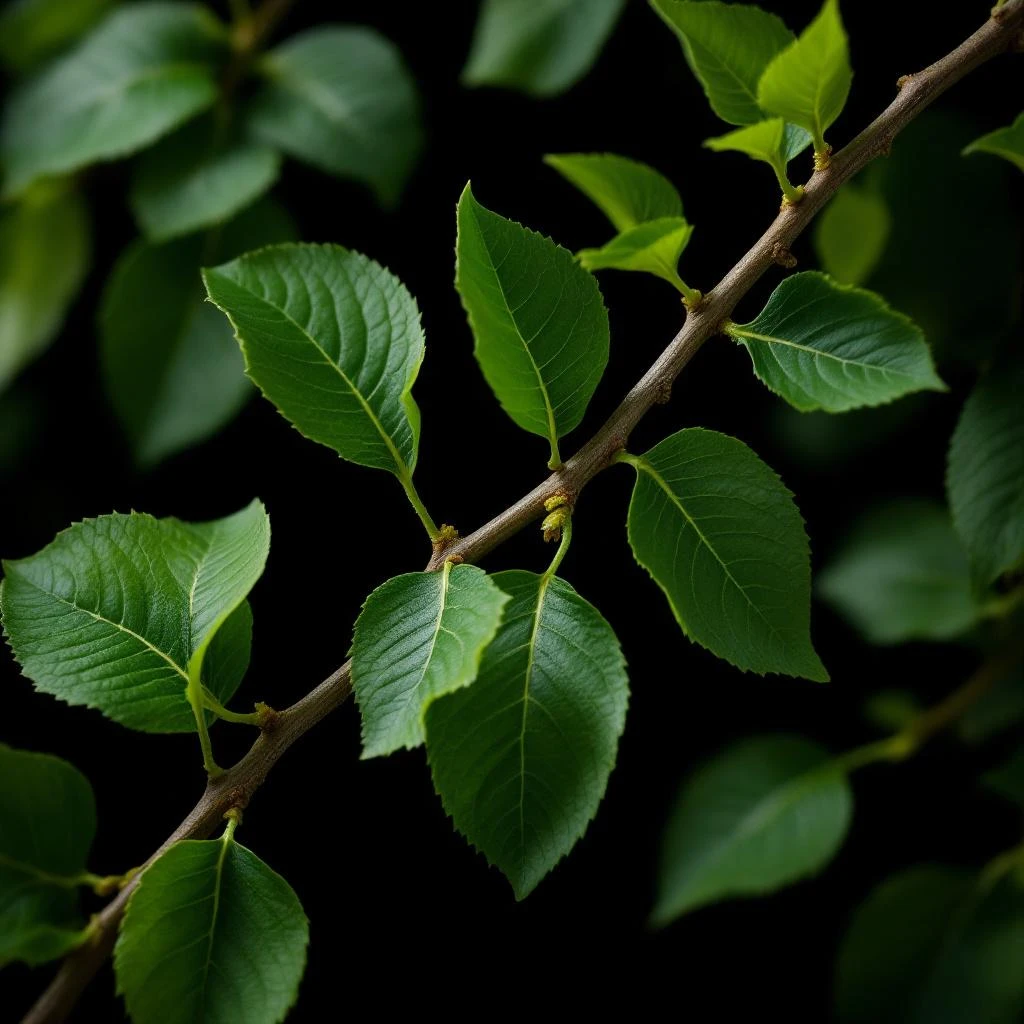
Citrus reticulata originated in Southeast Asia and southern China, where tangerines were cultivated for millennia before spreading westward along ancient trade routes. By the 19th century, commercial cultivation had reached Morocco, where the port of Tangier became a major shipping point for tangerines entering European and American markets.
This trade connection gave the fruit its English name, though its true botanical heritage lies in ancient Asian horticulture. For centuries, commercial citrus cultivation focused entirely on fruit production, leaving the aromatic potential of leaves largely unexplored.
Perfumery began systematically investigating all parts of the citrus plant only in recent decades, as creative professionals sought novel aromatic materials beyond traditional fruit and flower extracts. Tangerine leaves represent one of the more recent citrus materials to enter the perfumer's palette, offering a green-fresh perspective on a familiar fruit.
Wears it best
Fragrances featuring Tangerine Green Leaves

Brands
Brands known for Tangerine Green Leaves
Good to know
Questions, answered
The essentials on Tangerine Green Leaves in perfumery: how it smells, where it comes from, and how it behaves on skin.
What does Tangerine Green Leaves smell like?
A bright, bitter-green citrus note with metallic undertones. It occupies a unique space between fruity tangerine zest and herbaceous petitgrain, adding fresh complexity without sweetness.
How is Tangerine Green Leaves extracted?
Steam distillation of Citrus reticulata foliage. The process extracts volatile compounds including bitter-green principles that give the oil its distinctive metallic-citrus character.
Where does Tangerine Green Leaves originate?
From tangerine trees grown across Southeast Asia, the Mediterranean, and California. Commercial production for perfumery remains relatively specialized compared to fruit cultivation.
What perfumes feature Tangerine Green Leaves?
Modern citrus and green fragrances that seek fresh, complex top notes. Perfumers use it to add green depth and metallic brightness beyond simple citrus zest.
Is Tangerine Green Leaves natural?
Natural when steam-distilled from tangerine leaves. Synthetic versions exist but typically lack the full bitter-green complexity of the natural extract.
How does Tangerine Green Leaves differ from tangerine essential oil?
Tangerine peel oil smells sweet and fruity. Tangerine leaf oil smells bitter, metallic, and green, offering a completely different aromatic profile for perfumery.
Can Tangerine Green Leaves be synthetically reproduced?
Synthetic approximations exist but imperfectly. Natural leaf distillation captures subtle green compounds that remain difficult to replicate in the lab.
What fragrance types pair well with Tangerine Green Leaves?
Citrus, green, fougère, and fresh aromatic fragrances. It combines effectively with herbal materials, other citrus notes, and light florals.