Syringa Flowers
Spring's most tantalizing phantom. Lilac's scent cannot be extracted by conventional means, forcing perfumers to rebuild its green, honeyed bloom molecule by molecule. Discover the flower that redefined perfumery's boundaries.
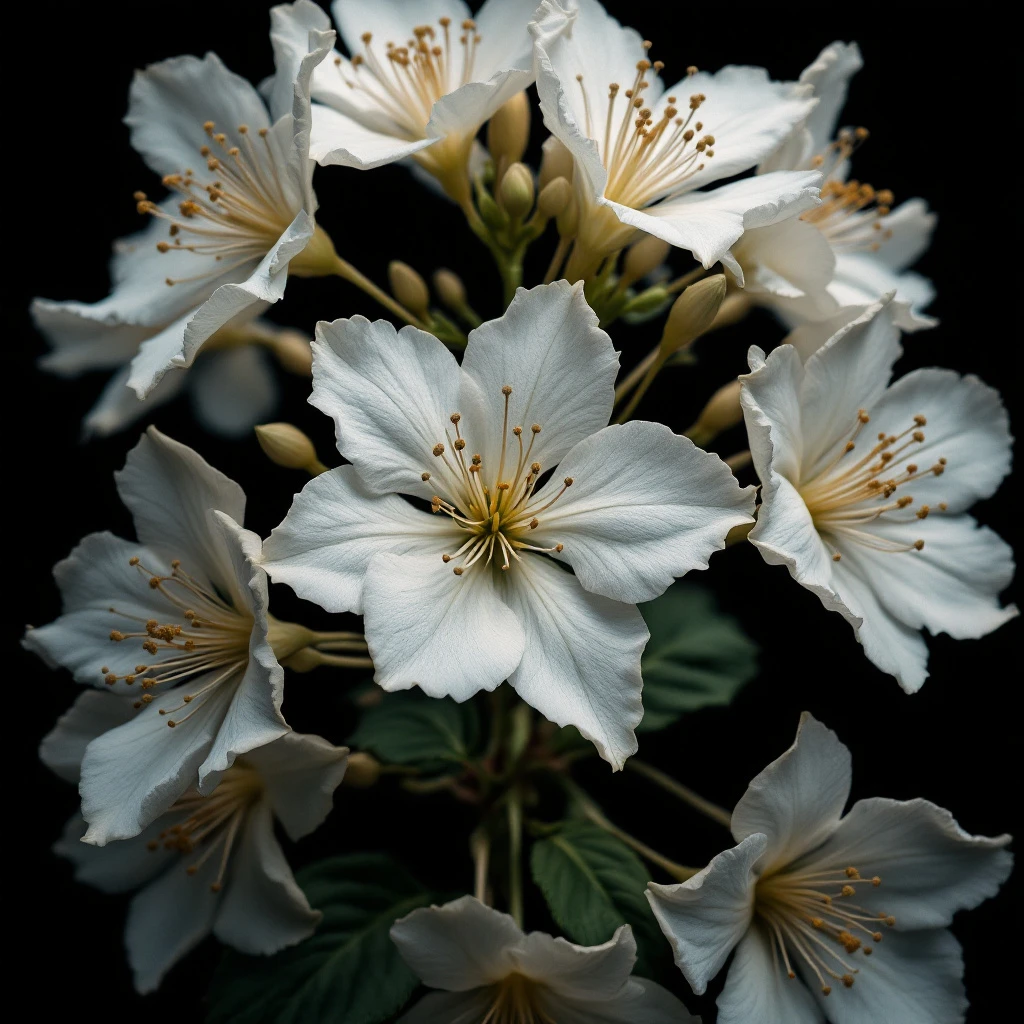
Character
How it smells
The flower that taught perfumery to dream.
Steam distillation fails completely on lilac. For over 100 years, no extraction method could capture its scent, leaving perfumers to rebuild it entirely from lab compounds.
Pairs beautifully with

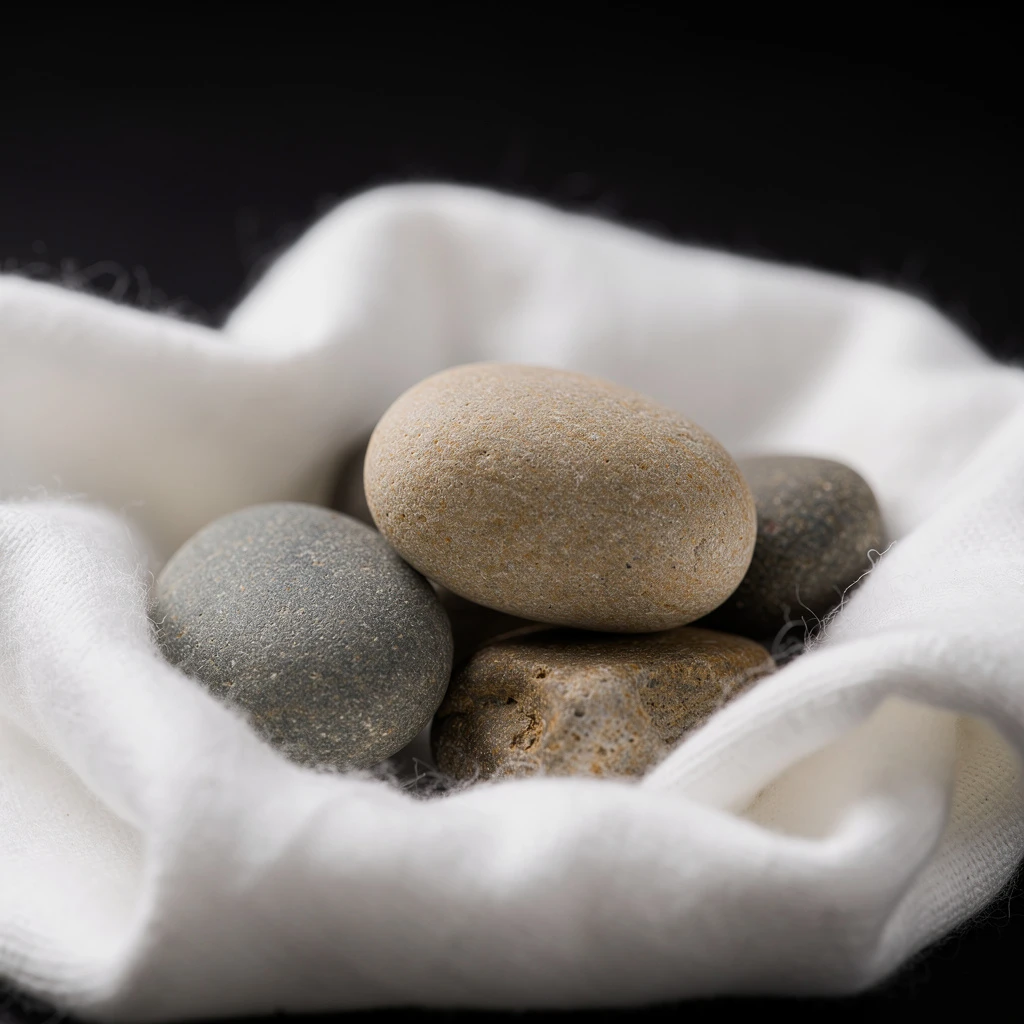


Origin
Balkans (Southeastern Europe)
Lilac traces its origins to the rocky hillsides and woodland clearings of the Balkans and Eastern Europe, spanning regions from Albania and Greece through to Turkey. The botanical name Syringa derives from the Greek word syrinx, meaning pipe, a reference to the plant's hollow pithy stems. According to legend, the wood was used to fashion Pan's famous pipe.
Persian traders and Ottoman expansion carried the flower across their empires before it reached Western Europe in the mid-1500s. European gardeners embraced it immediately, and by the 18th century, lilac had naturalized across France, Germany, and England.
The perfumery challenge began with this European popularity. As French perfumers developed increasingly sophisticated extraction methods, they discovered that while roses, jasmines, and orange blossoms yielded their essences readily, lilac refused to surrender its scent. This frustration drove innovation in synthetic aromatic chemistry during the 19th century, as chemists sought to recreate what nature withheld. The flower catalyzed an entirely new approach to fragrance creation, proving that inspiration could come from what could not be captured as much as what could.
Wears it best
Fragrances featuring Syringa Flowers
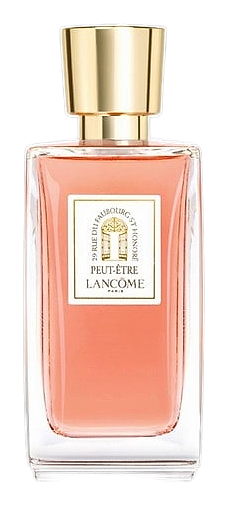
Brands
Brands known for Syringa Flowers
Good to know
Questions, answered
The essentials on Syringa Flowers in perfumery: how it smells, where it comes from, and how it behaves on skin.
Why is lilac considered a silent flower in perfumery?
Lilac produces aromatic molecules that cannot survive conventional extraction. Steam distillation and solvent extraction both destroy its delicate compounds before capture. Perfumers must identify its scent molecules and rebuild the fragrance synthetically, making it one of few major florals without a natural extract.
What does lilac smell like in perfume?
Lilac displays a green, slightly bitter floral character with honeyed sweetness and powdery undertones. The scent evokes fresh-cut stems and the air around a blooming shrub in spring. It combines dewy greens with warm, ambrette-like facets and a soft, slightly waxy quality.
Can natural lilac extract be purchased today?
Yes, but it remains extraordinarily rare. In 2017, artisan producer Charle-Pan became the first in over 100 years to produce true Lilac Essential Oil using traditional cold-process enfleurage. This method takes weeks and yields minimal product, making it one of the most exclusive natural materials available.
How do perfumers create lilac scent without natural extract?
Perfumers identify key lilac aroma compounds like lilac aldehyde, anthranilic acid esters, and terpene alcohols, then combine them with supporting materials like aldehydes, indole, and green notes. These synthetics are blended to form a lilac accord that reproduces the flower's characteristic green-floral profile.
Which famous perfumes feature lilac as a prominent note?
Several iconic fragrances center on lilac, including Givenchy's Ysatis, Guerlain's Muguet, and Clinique's Happy. Modern interpretations include Diptyque's Olene and Byredo's La Tulipe. These range from soliflore structures to complex compositions where lilac anchors the floral heart.
Is synthetic lilac considered inferior to natural?
Not necessarily. Because natural lilac essence has been unavailable for most of perfumery's history, the art of constructing lilac accords has refined over decades. Skilled perfumers create synthetic recreations that capture the flower's character with remarkable fidelity, often indistinguishable from the living bloom to untrained noses.
What materials support lilac in fragrance formulas?
Lilac pairs with dewy green notes like galbanum and hyacinth, other spring florals such as hyacinth and muguet, and softer woods like sandalwood. Ambrette seed and musks add warmth to lilac's cooler facets, while aldehydes amplify its powdery, atmospheric qualities.
What makes lilac one of perfumery's most challenging ingredients?
The flower contains trace quantities of aromatic compounds distributed across its petals in a way that resists every conventional extraction technique. This scarcity forced perfumers to pioneer synthetic chemistry, making lilac indirectly responsible for much of modern fragrance's complexity and innovation.



