Synthetic Musk
Synthetic musk replicates the warm, animalic depth of natural musk through laboratory chemistry, offering perfumers a sustainable and ethical foundation for countless modern fragrances.
Character
How it smells
The ethical evolution of perfumery's most sensual note
The first synthetic musk compound was discovered accidentally in 1888 by German chemist Albert Baur while working on a TNT alternative.

Origin
Germany
Natural musk held sacred status in ancient Egyptian, Roman, and Chinese civilizations, prized for its warmth and fixative power in religious rituals and court perfumes. Musk deer populations faced severe pressure as demand grew across medieval and colonial-era trade routes. By the late 19th century, ethical concerns and unsustainable harvesting prompted the search for alternatives.
German chemist Albert Baur accidentally synthesized the first nitro musk compound in 1888 while developing explosives. This breakthrough led to commercial production by the 1920s, with the first true perfume application arriving in 1926. Synthetic musks revolutionized fragrance creation, enabling mass-market perfumery while protecting endangered species.
Today, virtually all perfumes rely entirely on synthetically produced musks as both a scent component and a fixative for other ingredients.
Wears it best
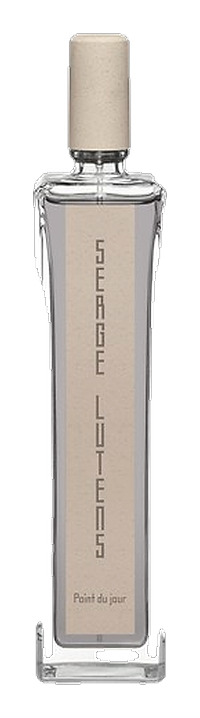
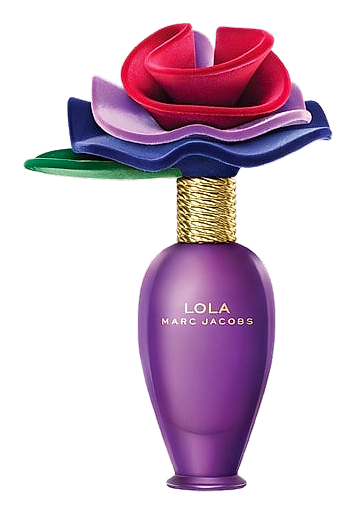
Fragrances featuring Synthetic Musk
Brands
Brands known for Synthetic Musk
Good to know
Questions, answered
The essentials on Synthetic Musk in perfumery: how it smells, where it comes from, and how it behaves on skin.
What exactly is synthetic musk?
Synthetic musk is a chemically engineered fragrance material that replicates the sensory qualities of natural animal musk. It provides warmth, depth, and fixative properties that anchor a fragrance's longevity. Modern perfumery relies almost exclusively on synthetic versions due to conservation and ethical concerns.
When was synthetic musk invented?
The first synthetic musk compound was accidentally discovered by German chemist Albert Baur in 1888. However, commercial perfume application came in 1926, marking the shift away from animal-derived musk in the industry.
How is synthetic musk produced?
Chemists synthesize musks through controlled reactions using petrochemical or botanical starting materials. Polycyclic aromatic compounds undergo nitration, while macrocyclic musks form through cyclization reactions. Each produces a distinct musk character used for different fragrance purposes.
Are synthetic musks safe for skin?
Regulatory bodies like IFRA evaluate and approve synthetic musks for cosmetic use. Most modern compounds like Galaxolide and Habanolide carry excellent safety profiles. Some older nitro musks were restricted due to skin sensitization concerns and are rarely used today.
What does synthetic musk smell like?
Musks range from clean and powdery to deep and animalic depending on the compound. White musks smell like clean skin and laundry. Macrocyclic musks add creamy, warm depth. Blends create the characteristic warm, slightly sweet, intimate quality found in most perfumes.
Do all perfumes contain synthetic musks?
Nearly all modern perfumes contain synthetic musks, with usage ranging from 5% to over 30% of the formula. They serve dual purposes as both a fragrance note and a fixative that extends the longevity of lighter top and heart notes.
What replaced natural musk in perfumery?
Macrocyclic musks like Exaltolide and Habanolide most closely reproduce natural musk's animalic warmth. White musks like Galaxolide provide clean, skin-like qualities. Modern perfumers layer multiple synthetic musks to achieve nuanced, realistic musk effects.
Why did perfumery shift away from animal musk?
Musk deer populations declined severely from unsustainable harvesting, and civet farming raised ethical concerns. Economic pressures also played a role, as synthetic production proved more scalable and consistent than wildlife extraction.