Eucalyptus absolute
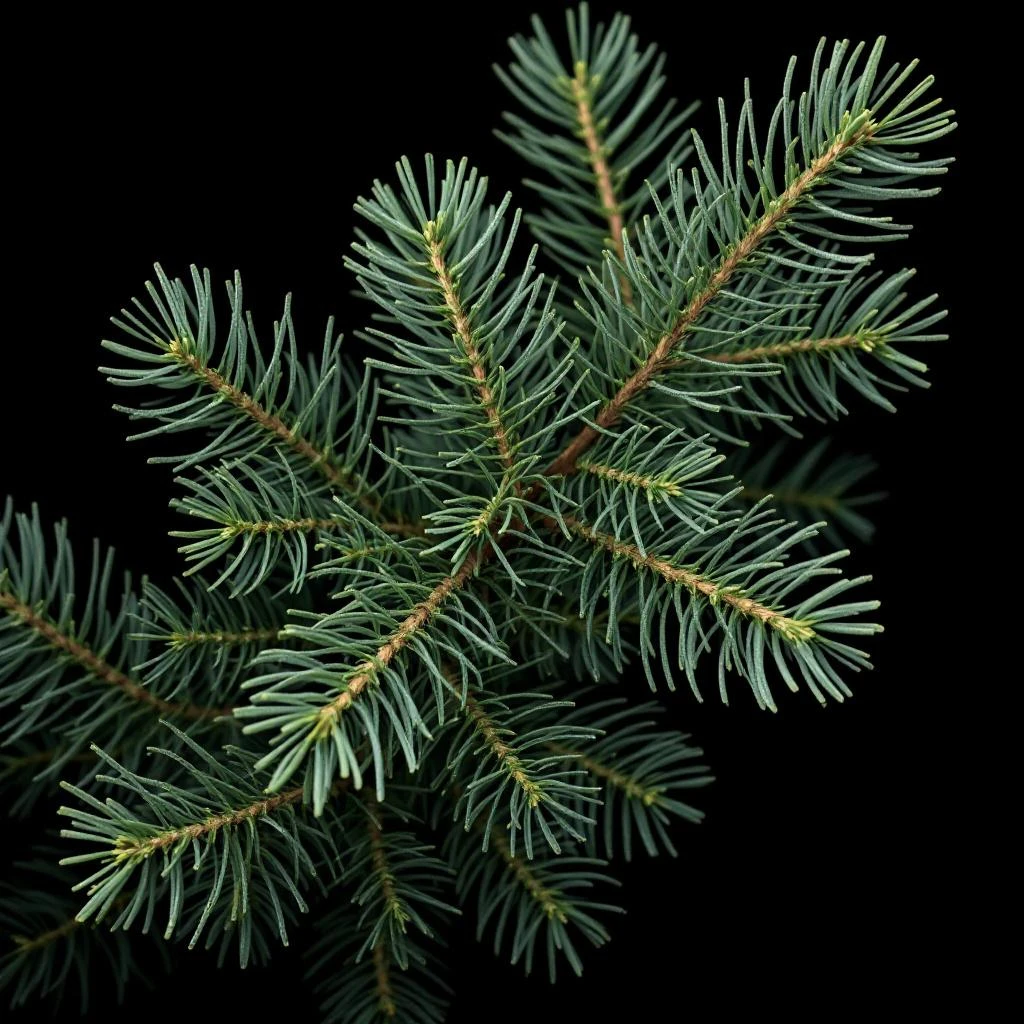
A crystalline middle note that cuts through compositions with mentholated clarity. Eucalyptus absolute delivers the sharp, cool intensity of crushed leaves into your fragrance, grounding herbal and woody blends with its medicinal purity.
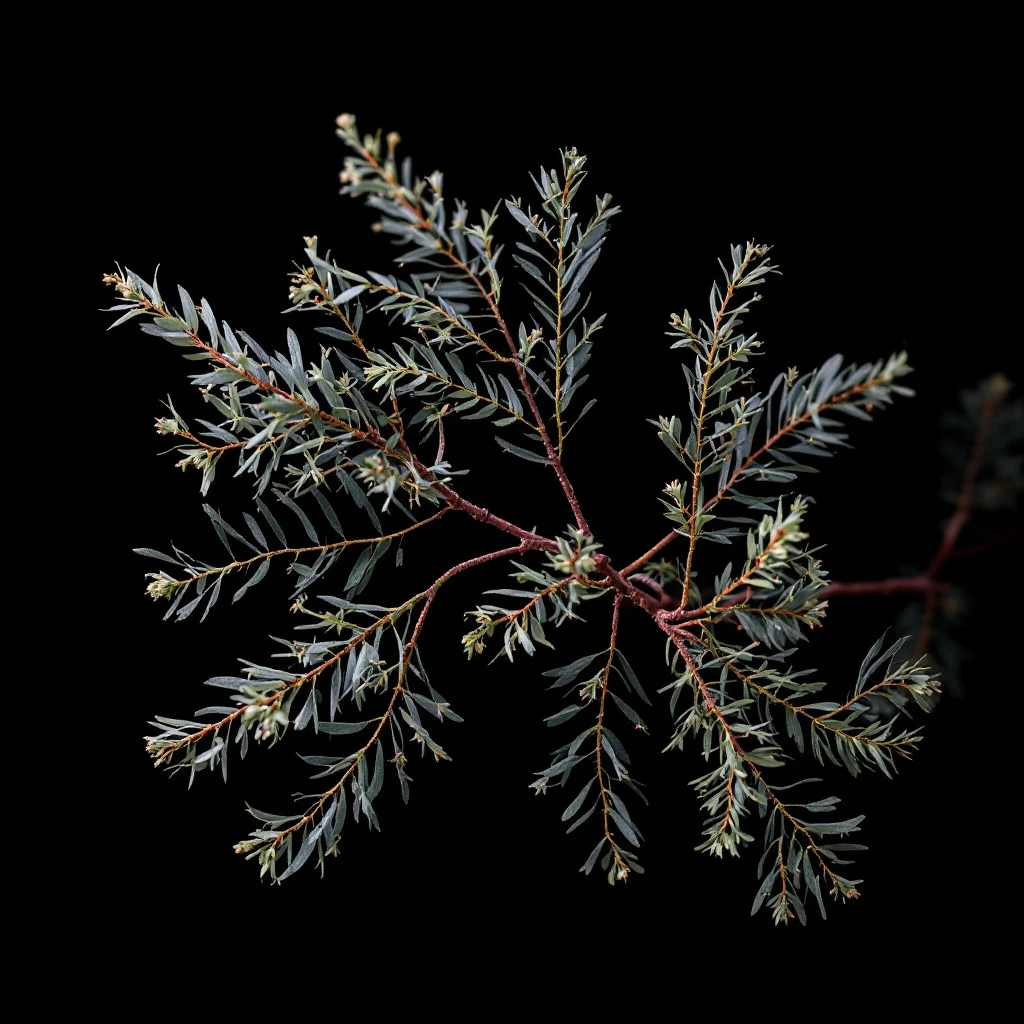
Character
How it smells
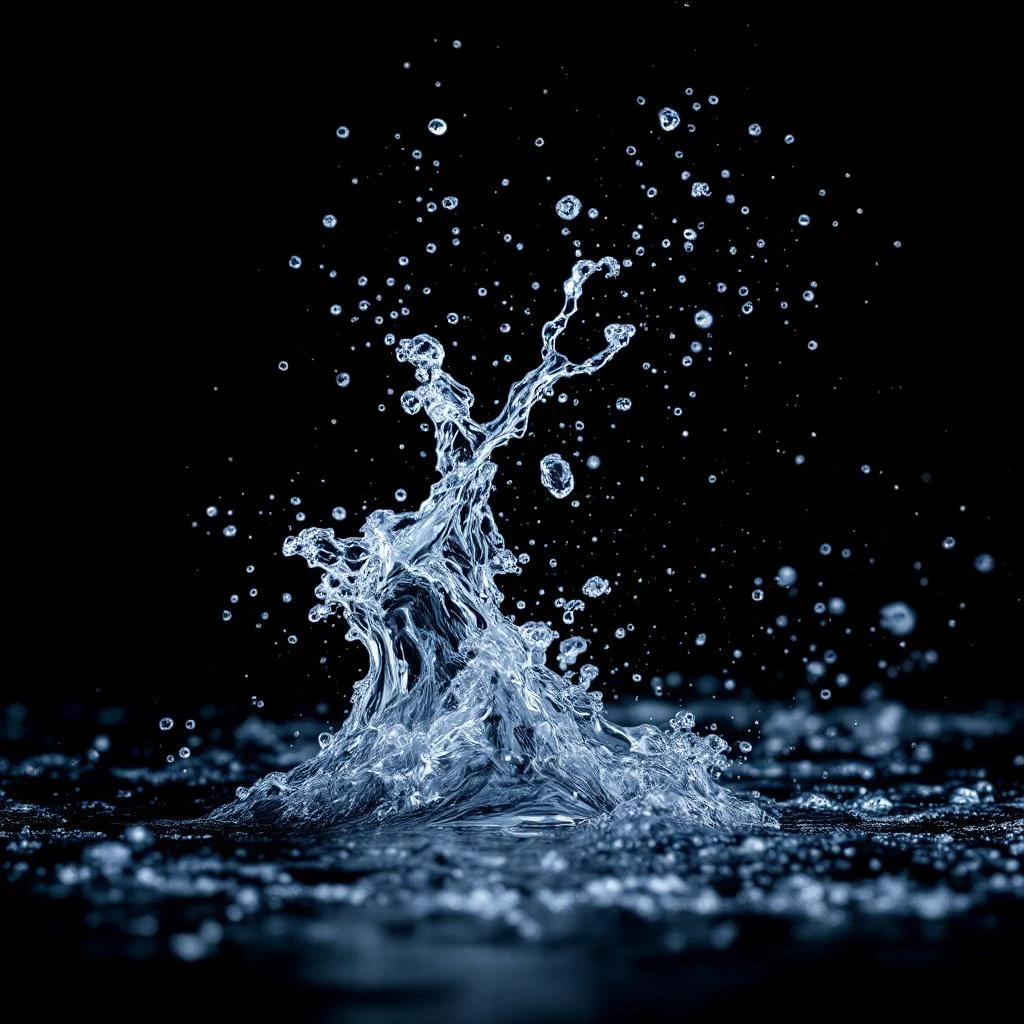
The fragrance world's antiseptic spark—cool, clean, clarifying.
A single distillation run requires roughly 3 kilograms of fresh leaves to yield just 10 grams of absolute.

Origin
Australia
Eucalyptus belongs to Australia, where Indigenous peoples used eucalyptus leaves in traditional medicine long before European contact. Sydney doctors Dennis Considen and John White first distilled eucalyptus oil in 1788, recognizing its antiseptic properties during early colonial settlement.
Melbourne pharmacist Joseph Bosisto commercialized production in 1852, establishing the first systematic industry that would eventually reach global markets. Victorian state forests alone produced nearly 270 tonnes of oil in 1919-1920, supplying pharmaceuticals, disinfectants, and industrial applications worldwide.
The fragrance industry adopted eucalyptus later, valuing its ability to add crisp, green dimensionality to compositions. Today, India and Vietnam have emerged as significant producers, but Australian-sourced material remains prized for its consistent eucalyptol content and aromatic profile.
Wears it best
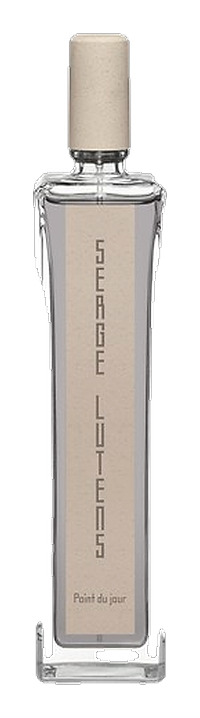
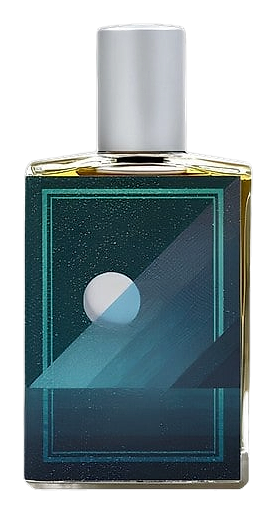
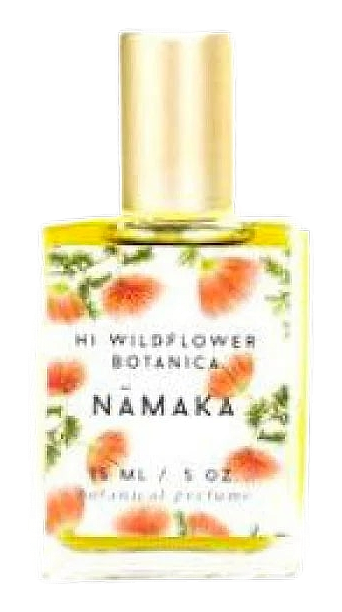
Fragrances featuring Eucalyptus absolute
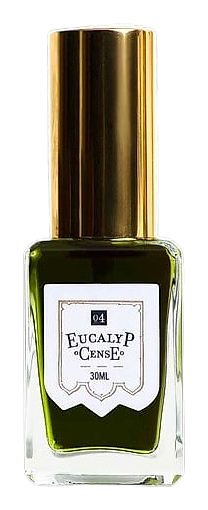
Brands
Brands known for Eucalyptus absolute
Good to know
Questions, answered
The essentials on Eucalyptus absolute in perfumery: how it smells, where it comes from, and how it behaves on skin.
Where does eucalyptus absolute originate?
Eucalyptus absolute originates from Australia, where Eucalyptus species grow natively across the continent. The industry centers on southeastern Australia, particularly Victoria, where optimal climate produces leaves with high eucalyptol content.
How is eucalyptus absolute extracted?
Eucalyptus absolute is extracted via steam distillation. Fresh leaves are harvested and processed rapidly to prevent degradation of aromatic compounds. Steam carries volatile molecules through a cooling system, where they condense and separate from water into concentrated absolute.
What volume of leaves produces eucalyptus absolute?
Approximately 3 kilograms of fresh leaves yield just 10 grams of absolute. The concentration process is intensive, requiring substantial plant material to capture the potent aromatic compounds that define eucalyptus fragrance.
How does eucalyptus smell in fragrance?
Eucalyptus delivers a sharp, mentholated, camphoraceous character with green undertones. The note brings clean, crisp energy that reads as medicinal and invigorating, often paired with mint, citrus, or coniferous materials.
Which fragrance families use eucalyptus absolute?
Eucalyptus absolute appears across aromatic, fresh, and woody families. Perfumers use it to add lift and clarity to colognes, aromatic masculines, and therapeutic-inspired blends. It also functions in functional fragrances for soaps and household products.
What is eucalyptol in perfumery?
Eucalyptol (1,8-cineole) is the primary aromatic compound in eucalyptus, comprising up to 80% of some oil profiles. This molecule provides the characteristic cooling, mentholated sensation that makes eucalyptus recognizable across fragrance types.
Does eucalyptus absolute vary by species?
Yes. Eucalyptus globulus offers classic medicinal intensity, while Eucalyptus radiata provides a softer, more citrus-forward profile. Perfumers select species based on desired character in the final composition.
What is the global production landscape for eucalyptus in perfumery?
Australia remains the primary origin, with commercial production historically centered in Victoria. India and Vietnam have emerged as significant producers, expanding global supply. Australian material commands premium pricing for its consistent eucalyptol content.