Sugar biscuit
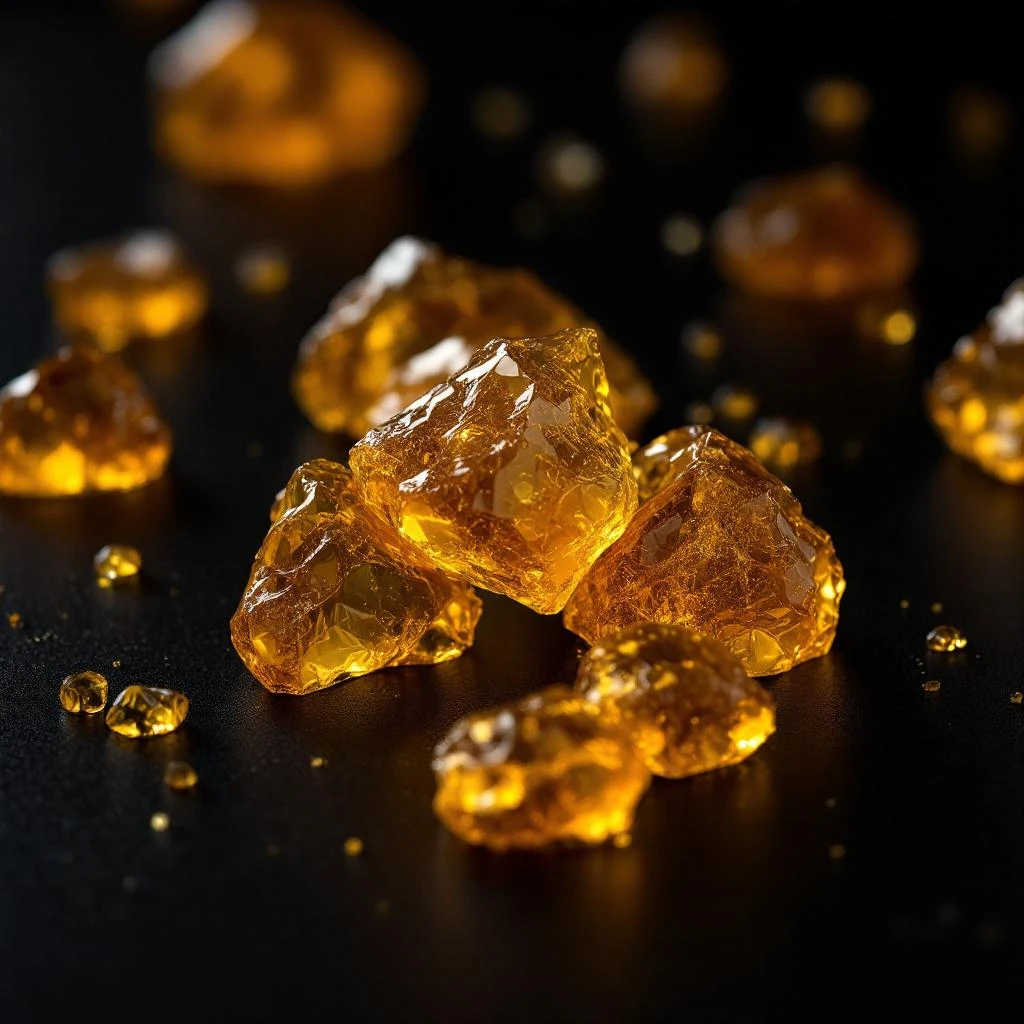
Sugar biscuit brings the unmistakable warmth of a freshly baked treat into perfumery. This cozy, edible note wraps the wearer in childhood comfort, evoking buttery pastries straight from the oven.

Character
How it smells
The warm, sweet embrace of freshly baked indulgence.
The smell of sugar and butter heating together in an oven triggers some of the same brain pathways as闻到妈妈厨房里的味道。 scientists study comfort scents.


Origin
France
The sugar biscuit note emerged as perfumery entered its modern era in the late 19th century when chemists first isolated and synthesized aroma molecules. Before this period, perfumers created edible themes using natural ingredients like vanilla, benzoin, and tonka bean absolute. The infant synthetic chemistry of the 1880s produced vanillin, coumarin, and maltol, giving perfumers new tools to construct food-related accords.
Sugar biscuit as a distinct perfumery concept developed in the 20th century, particularly during the 1950s and 1960s when edible and Gourmand fragrance families gained popularity. Brands sought to evoke comfort, homeliness, and nostalgia at a time when consumers increasingly valued these emotional connections with scent.
Wears it best
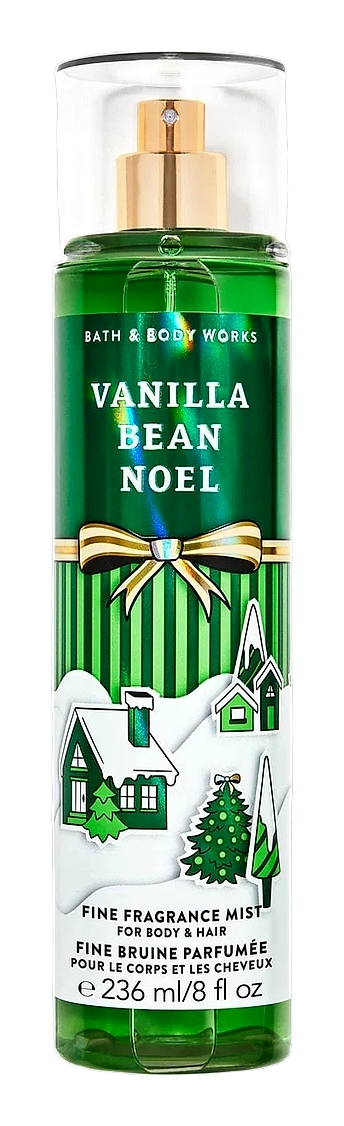
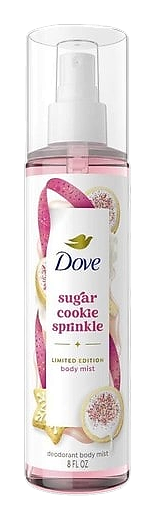
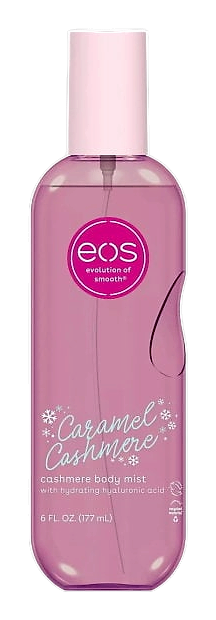
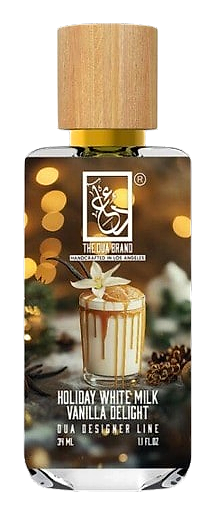
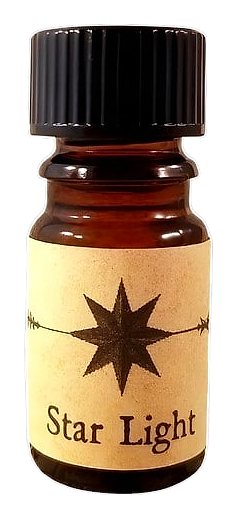
Fragrances featuring Sugar biscuit
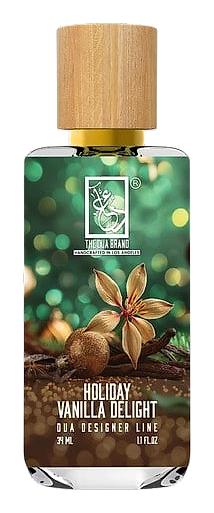
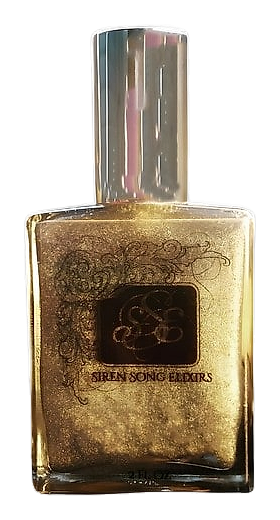
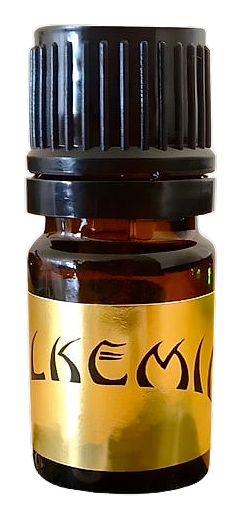
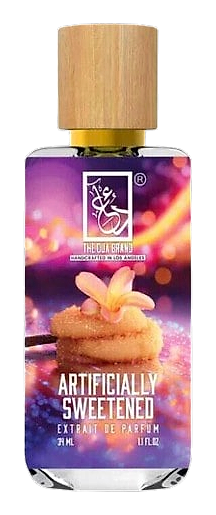
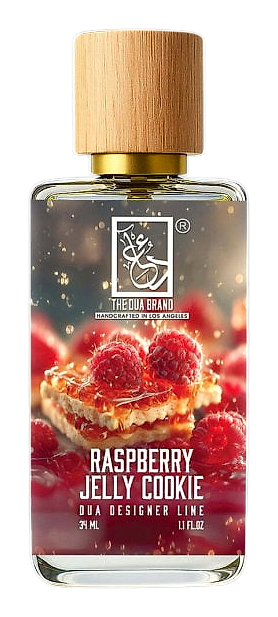

Brands
Brands known for Sugar biscuit
Good to know
Questions, answered
The essentials on Sugar biscuit in perfumery: how it smells, where it comes from, and how it behaves on skin.
How do perfumers create the sugar biscuit smell?
They blend synthesized aroma chemicals including ethyl maltol for burnt-sugar warmth, vanilla-related molecules for creaminess, and lactones for buttery richness. The composite captures the baked-goods profile without any baking.
When did sugar biscuit enter perfumery?
The note became recognizable during the 1950s when chemists had sufficient synthetic tools to construct coherent food-themed accords. Earlier perfumers used natural vanilla and tonka for sweet effects.
What does sugar biscuit smell like?
It reads as warm, sweet, and buttery with a slightly toasted edge. Think fresh-baked shortbread or sugar cookies cooling on a kitchen rack. Good sugar biscuit materials avoid being单纯糖果-like.
Is sugar biscuit used in food and perfume?
Many ingredients serving this note are GRAS-certified for food use, creating a direct bridge between cuisine and fragrance. Ethyl maltol appears in caramel coloring and bakery flavors.
What fragrances feature sugar biscuit?
Gourmand fragrances commonly showcase this note, particularly autumn and winter releases. It pairs well with vanilla, caramel, tonka, and woody bases.
Does natural sugar biscuit exist?
No equivalent single natural material provides the complete sugar biscuit profile. Perfumers achieve it by combining several synthetic materials that together evoke the smell.
Why do consumers respond to sugar biscuit scents?
The smell connects to early food memories and comfort associations. Baked goods scents activate parts of the brain associated with positive emotional experiences and nurturing environments.
What safety considerations apply to sugar biscuit materials?
Key materials like coumarin and certain lactones have IFRA usage limits. Ethyl maltol requires skin contact restrictions at high concentrations. Professional formulation ensures safe finished products.