Spanish tobacco
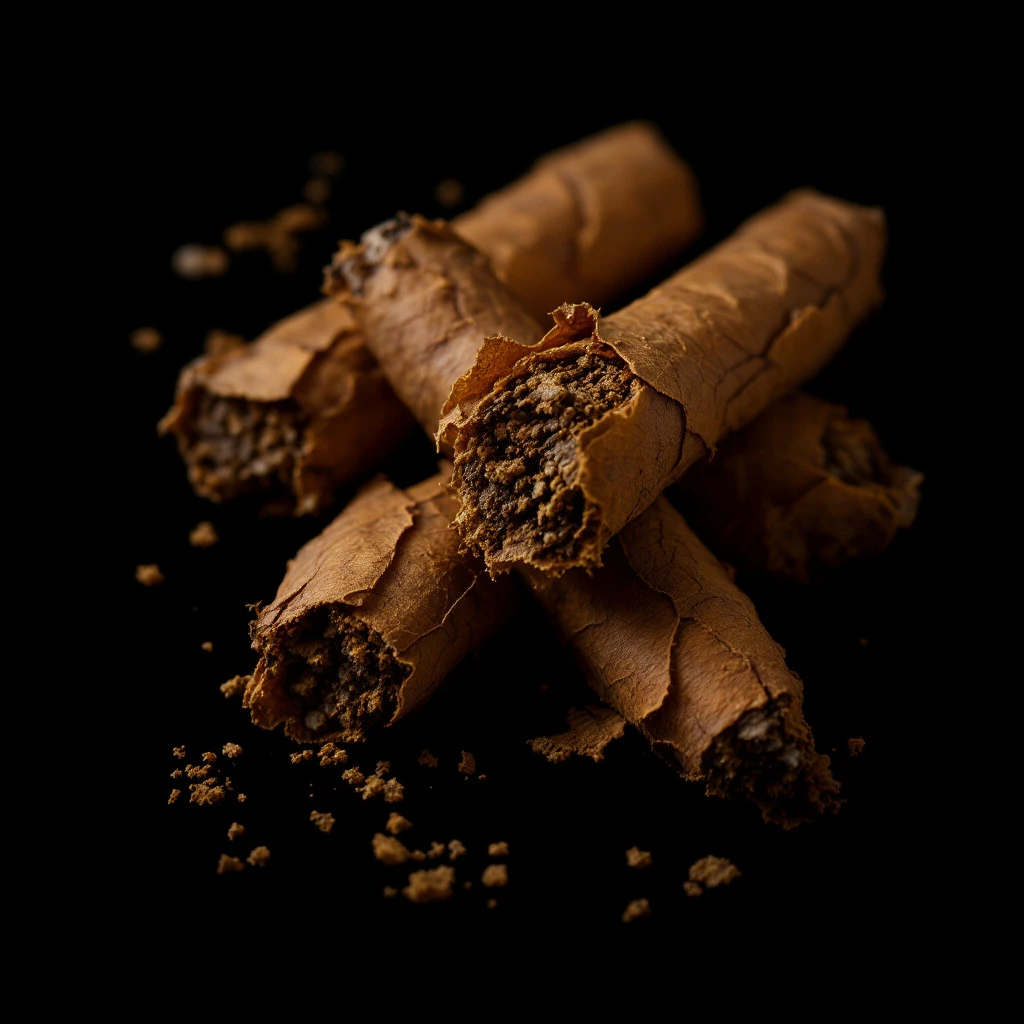
Spanish tobacco carries the warmth of sun-dried leaves, earthy depth, and a quiet richness that fills a room before you notice it. Sun-cured and aged, it holds notes of dried fruit, wood smoke, and something almost honeyed beneath the surface.
Character
How it smells
Sun-cured depth with a quiet richness
Spanish tobacco leaves cure for several months after harvest, a process that transforms sharp, green notes into the smooth, complex sweetness found in fine perfumes.




Origin
Spain
Spanish colonial traders brought tobacco seed to Europe in the 1500s, and Spain quickly became a hub for cultivation and trade. The region around Sevilla established itself as a production center, processing leaf from the Americas into products for European markets. By the 19th century, Spanish tobacco had earned a reputation for quality that perfumers noticed.
The material appeared first in pipe tobacco blends, then migrated into fragrance as creators sought warm, resinous base notes. Today, Spanish tobacco absolute remains a benchmark against which other tobacco materials are measured.
Wears it best
Fragrances featuring Spanish tobacco
Brands
Brands known for Spanish tobacco
Good to know
Questions, answered
The essentials on Spanish tobacco in perfumery: how it smells, where it comes from, and how it behaves on skin.
What does Spanish tobacco smell like?
Spanish tobacco smells warm and dried, like cured leaves left in the sun. You detect woodsmoke, dried fruit, faint sweetness, and an earthy depth that feels comforting rather than sharp.
How do perfumers extract Spanish tobacco for fragrance use?
Makers harvest leaves in autumn, cure them for months in ventilated barns, then solvent-extract the dried material. The resulting absolute is a viscous, dark liquid with intense, complex scent.
Is Spanish tobacco a natural or synthetic material?
Spanish tobacco absolute comes from actual cured leaves of Nicotiana tabacum. Some modern fragrances also use synthetic recreations, but the authentic material remains widely available and cherished.
What fragrance note family does tobacco belong to?
Tobacco sits in the warm, ambery base note family. Perfumers use it to add depth, warmth, and a lingering dry sweetness that holds compositions together for hours.
Which fragrance families pair well with tobacco?
Tobacco works naturally with leather, amber, and woody compositions. It also appears in men's chypres, oriental fragrances, and fougeres, where it adds rustic warmth.
How does Spanish tobacco differ from other tobacco varieties?
Spanish tobacco benefits from centuries of cultivation refinement and a specific curing climate. The result is a slightly sweeter, more rounded profile than Turkish or Virginia varieties.
How long has tobacco appeared in perfumery?
Tobacco entered European perfumery in the 19th century after centuries as a trade good. Early 1900s men's fragrances used it prominently, and it never fell out of favor.
Which part of the tobacco plant does perfumery use?
Perfumers use only the cured leaves. The plant's flowers are too light and fleeting for extraction; the leaf holds the complex, lasting compounds that perfumers seek.