Southeast Asian Clove
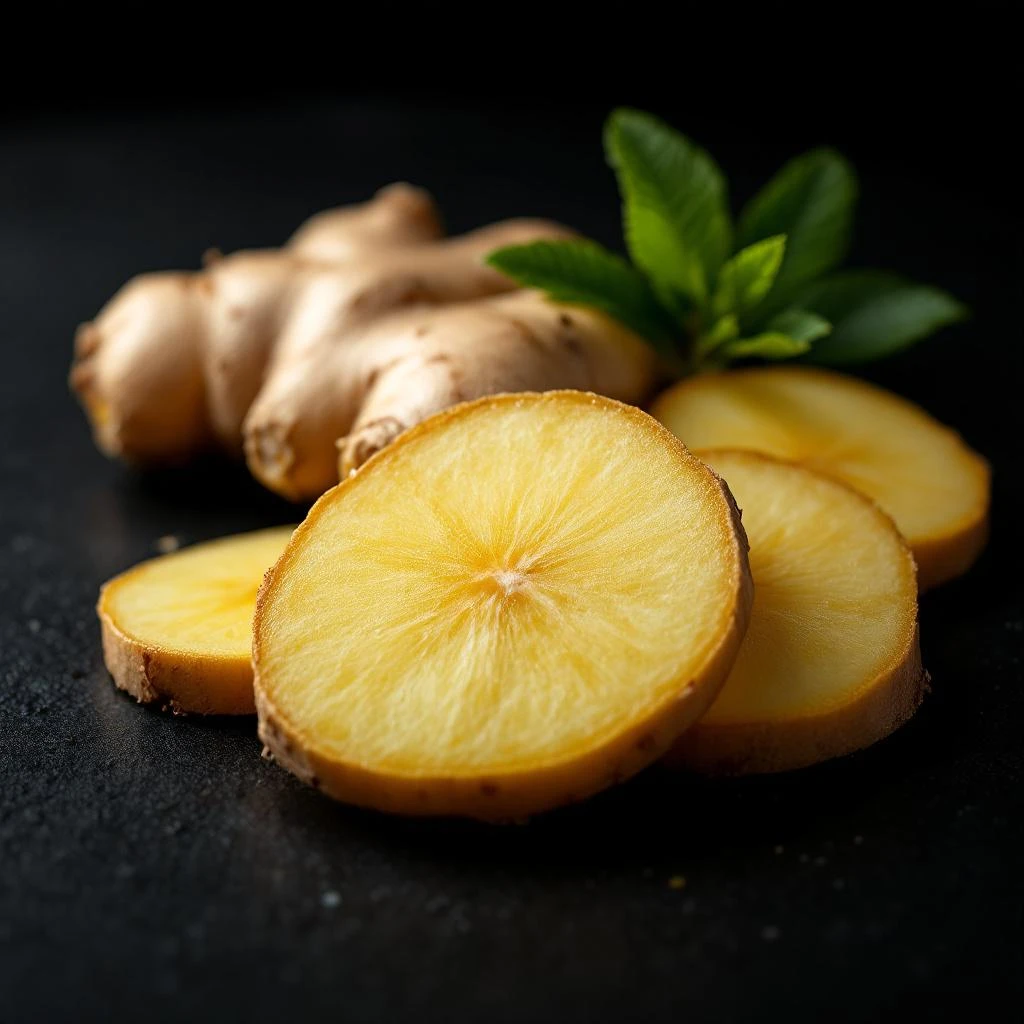
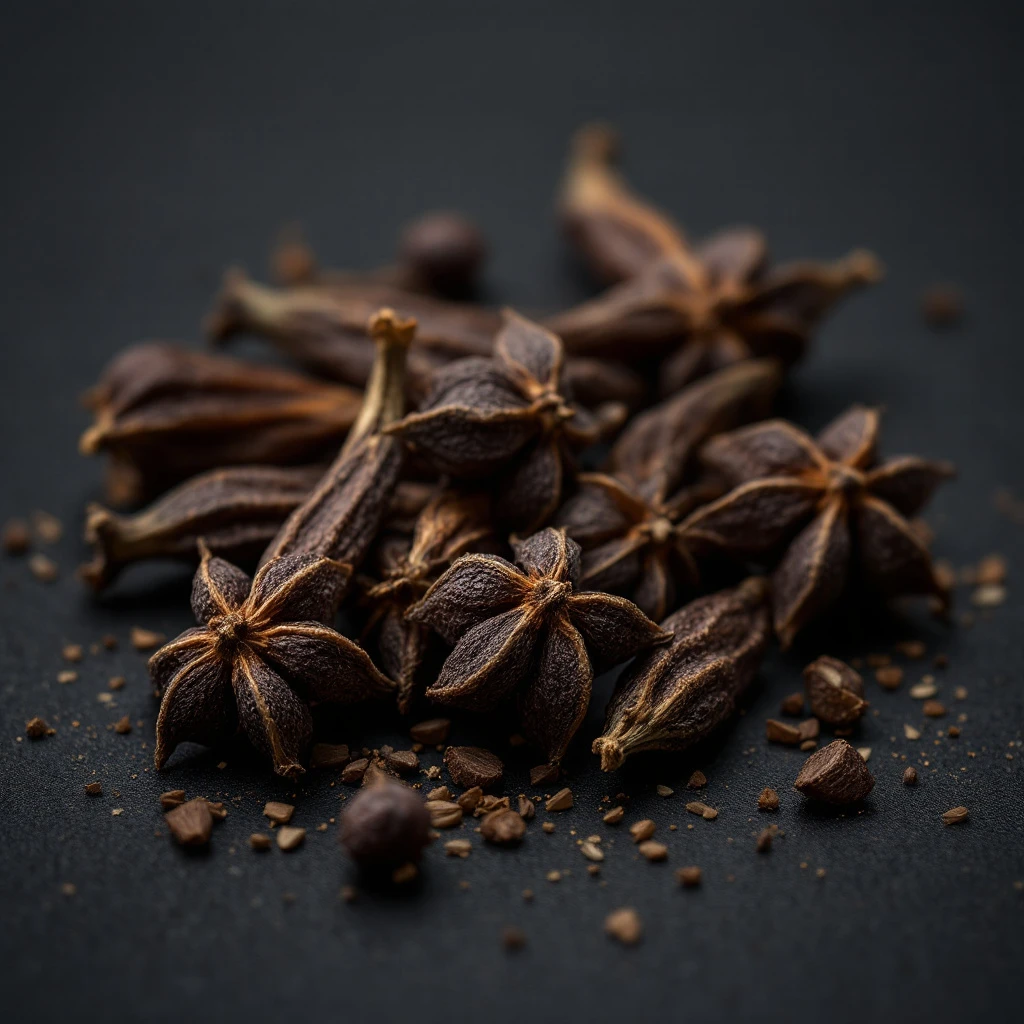
Dried flower buds of Syzygium aromaticum deliver one of perfumery's most commanding spice notes: a searing, warm intensity tempered by a faint medicinal coolness that commands attention in any composition.
Character
How it smells
The commanding spice that anchors oriental fragrances.
A single clove tree can produce up to 75 pounds of flower buds annually, yet each bud must be harvested by hand at precisely the right moment.
Pairs beautifully with
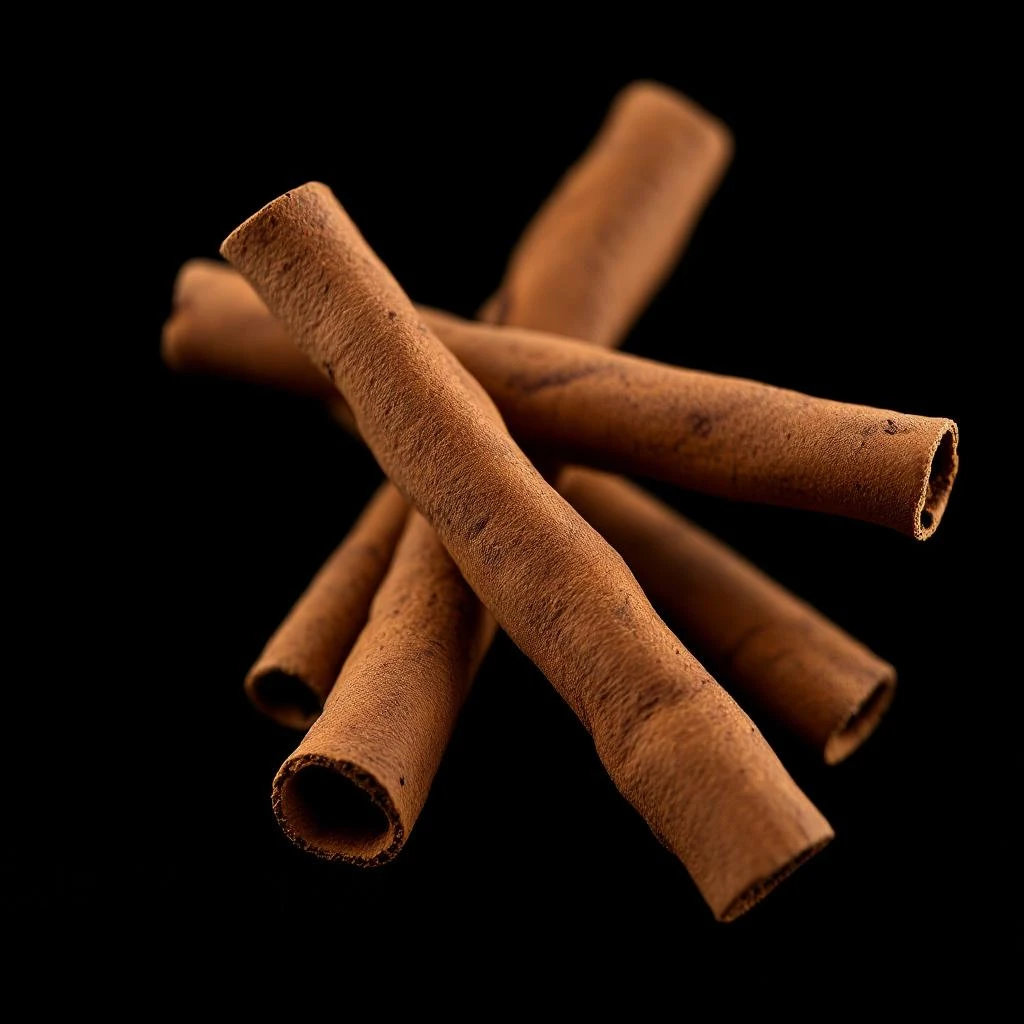
Origin
Indonesia
Clove originated exclusively in the Moluccan islands of Indonesia, the Spice Islands, where it grew wild for millennia before cultivation began around 300 BCE. The plant was so coveted that it shaped global trade routes for centuries.
Arab traders controlled its movement westward for generations, keeping its source shrouded in mystery to European buyers. When Portuguese explorers finally reached the Moluccas in the early 1500s, clove became a cornerstone of colonial competition, eventually drawing Dutch traders who established a calculated monopoly by burning wild clove groves to control supply.
French colonists later smuggled seedlings to Mauritius and eventually Réunion, then Zanzibar, which became the world's largest producer by the 19th century. Today Indonesia remains the primary global producer, though clove's journey from mythical Moluccan origins to every perfumer's organ represents one of the most consequential migrations in the history of aromatic trade.
Wears it best
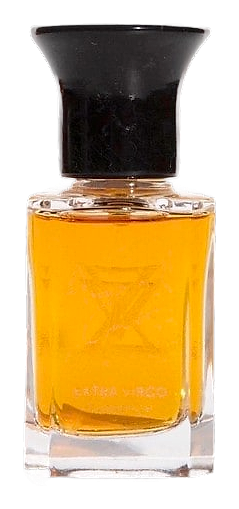
Fragrances featuring Southeast Asian Clove
Good to know
Questions, answered
The essentials on Southeast Asian Clove in perfumery: how it smells, where it comes from, and how it behaves on skin.
What does Southeast Asian clove smell like?
Clove delivers an intensely spicy, warm aroma with a distinctly warm medicinal edge. It reads as simultaneously sweet and sharp, with eugenol providing that characteristic numbing spice that makes it instantly recognizable in any fragrance composition.
Is clove used as a top, middle, or base note?
Clove most commonly functions as a middle note in oriental fragrances, where its bold spiciness bridges lighter citrus or herbal top notes with deeper base materials. Its sillage is commanding enough to shape a fragrance's heart without overwhelming the composition.
What chemical compounds define clove's aroma?
Eugenol accounts for clove's primary aroma character, typically comprising 72 to 90 percent of the essential oil. Smaller quantities of eugenyl acetate and beta-caryophyllene add complexity, contributing warmer, slightly woody undertones that round out the pure spiciness.
Which fragrance families use clove most prominently?
Oriental fragrances rely on clove most heavily, using its spicy warmth to anchor amber and vanilla bases. It also appears in certain fougère and chypre compositions where perfumers seek a warm, aromatic counterpoint to lavender or oakmoss.
What countries produce the most clove for perfumery?
Indonesia dominates global clove production, followed by Madagascar and Tanzania. The Indonesian islands of the Moluccas remain the historical heartland, though Zanzibar's clove production has been significant since the 19th century.
Can clove be synthetically replicated in the lab?
Eugenol is readily synthesized and used in fragrance compounds, but naturals captors consistently prefer the full clove essential oil. The minor compounds in natural clove add a complexity that isolated eugenol cannot fully replicate, particularly in high-end perfumery.
How does clove interact with other fragrance ingredients?
Clove pairs exceptionally well with warm materials like vanilla, benzoin, and Peru balsam. It harmonizes with other spices including cinnamon and nutmeg, and it can sharpen green notes in unexpected combinations. It tends to amplify ambery and vanillic elements in a composition.
Is clove oil sustainable to produce?
Clove trees are relatively hardy and productive, with mature trees yielding up to 75 pounds of buds per season. Sustainable production depends on responsible harvesting practices and fair trade partnerships, particularly in Indonesia where smallholder farmers manage most clove cultivation.