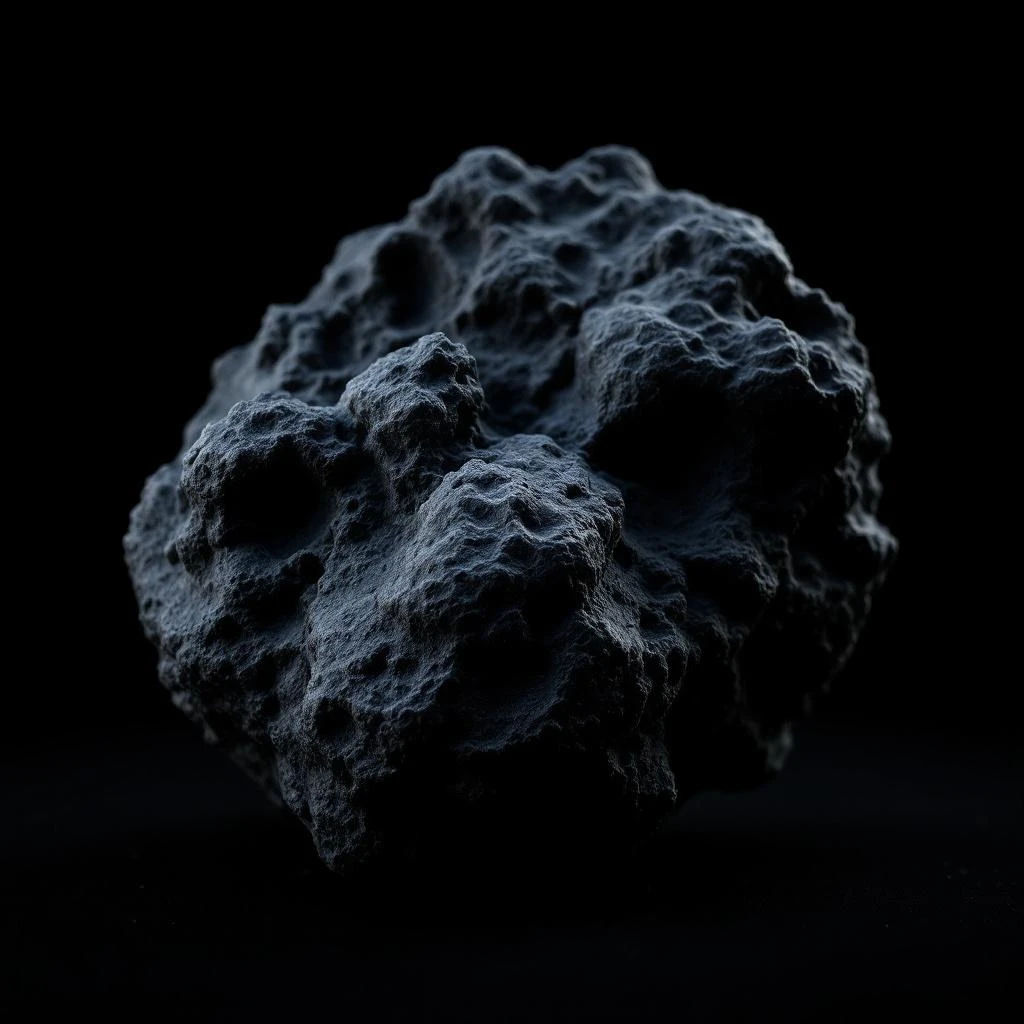
Civet Paste
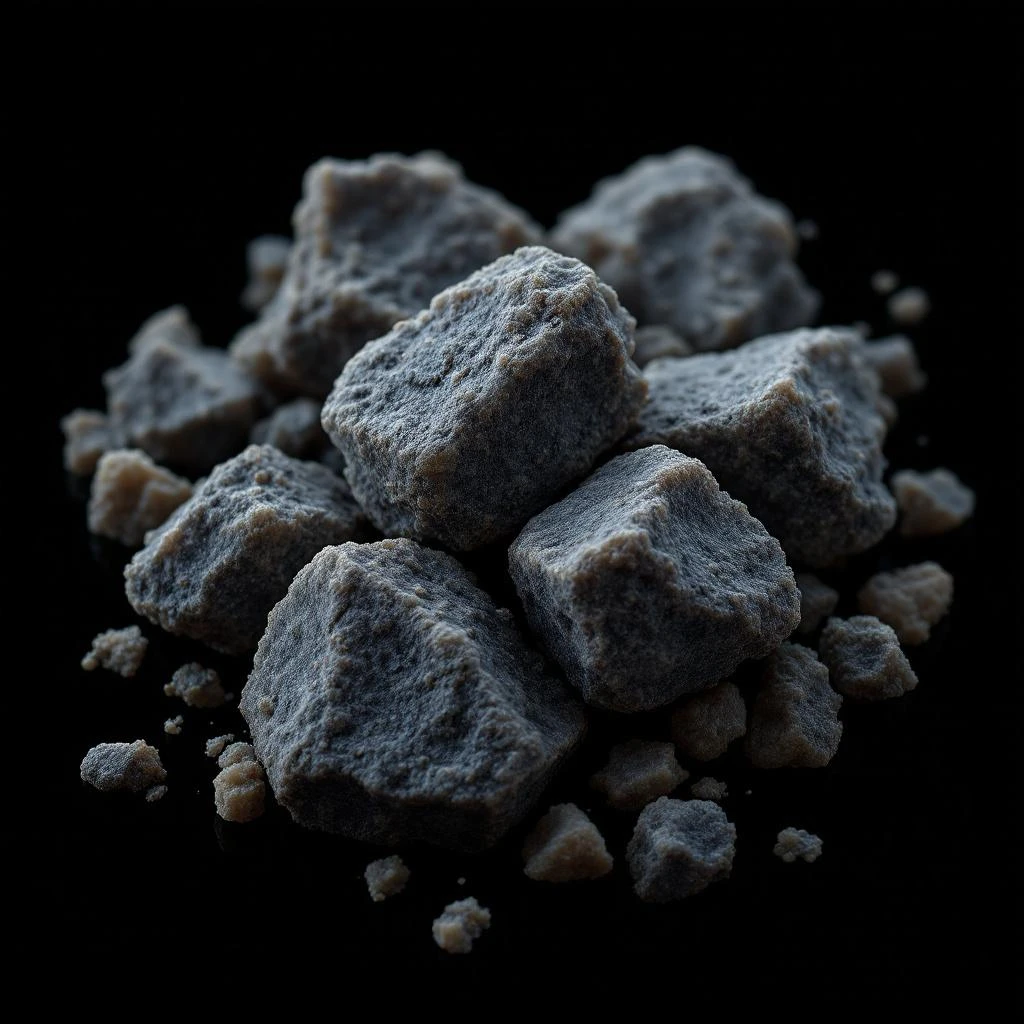
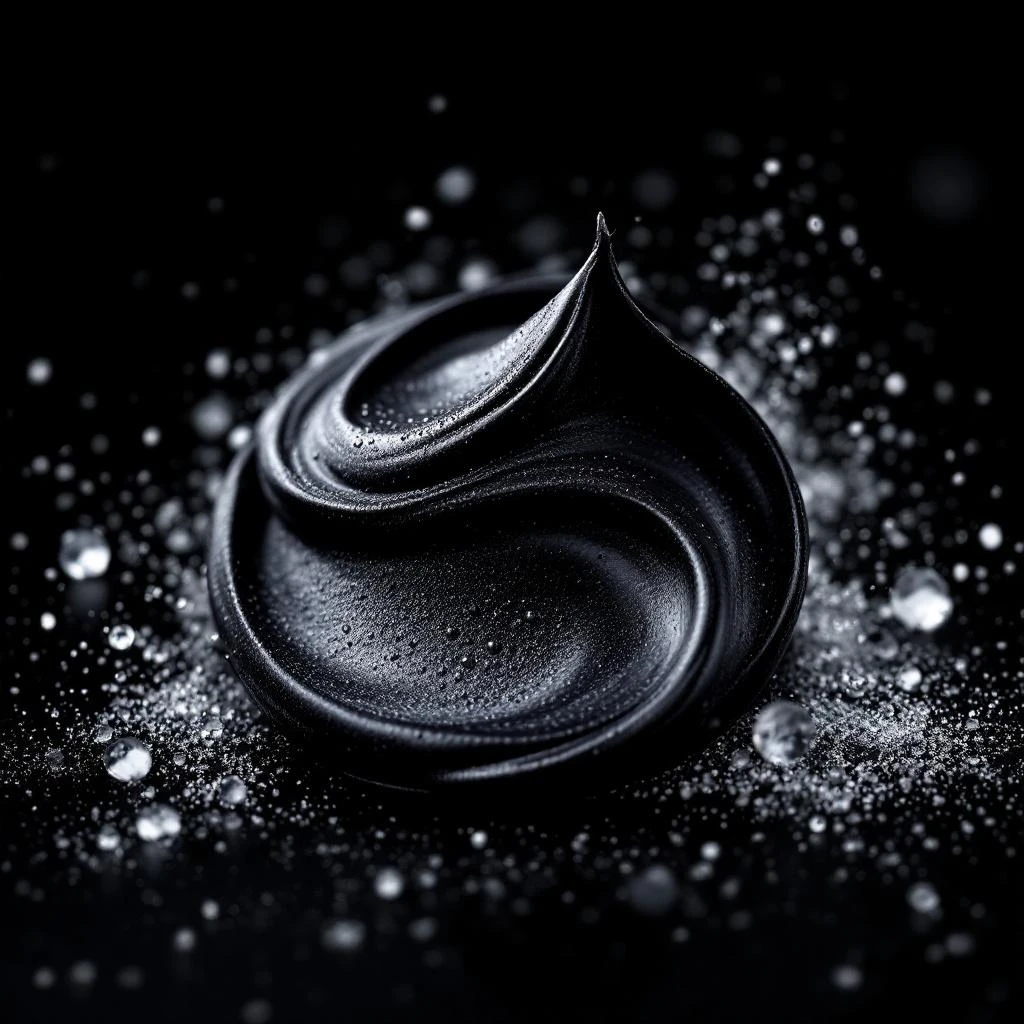
The animalic paste that defined Western perfumery for centuries. Civet paste is a glandular secretion from the African civet, a mongoose relative prized for its fixative power and warm, complex scent. Once the secret behind the world's most legendary fragrances.

Character
How it smells
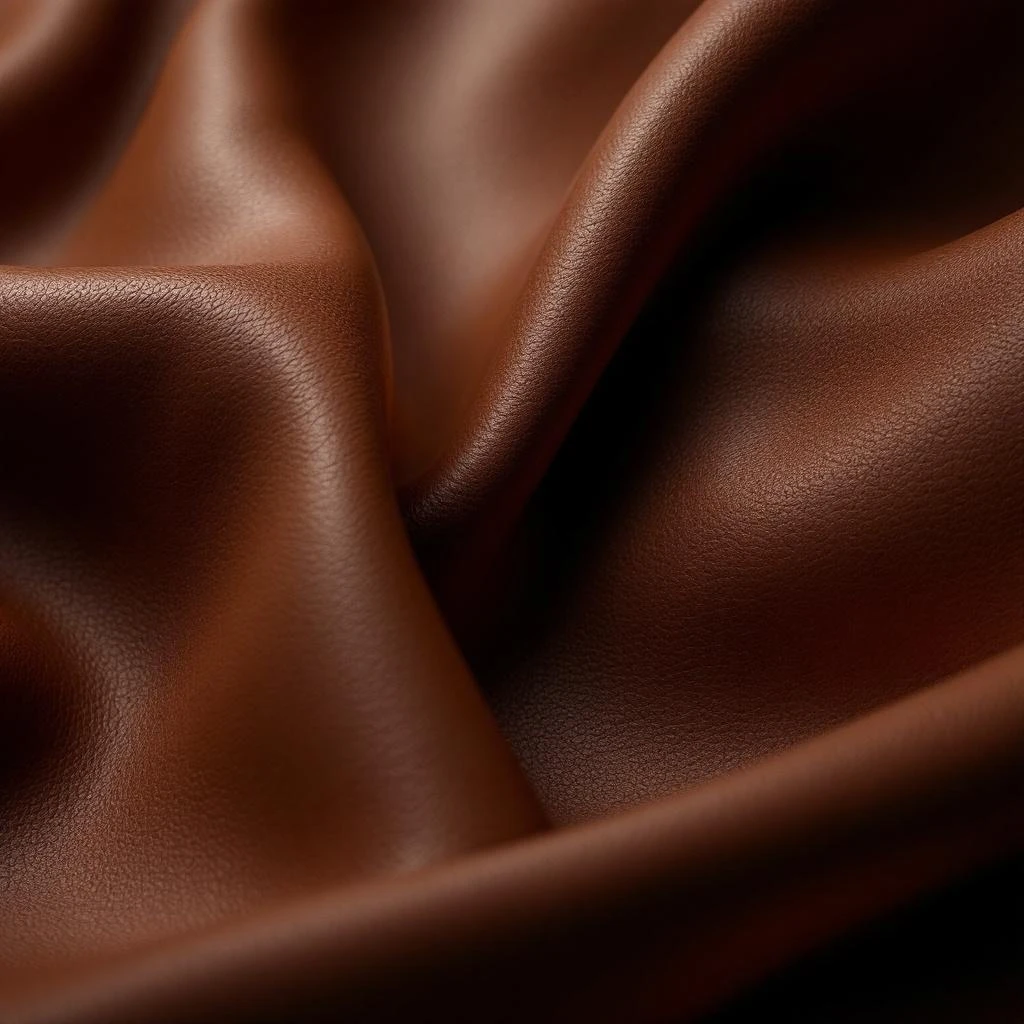
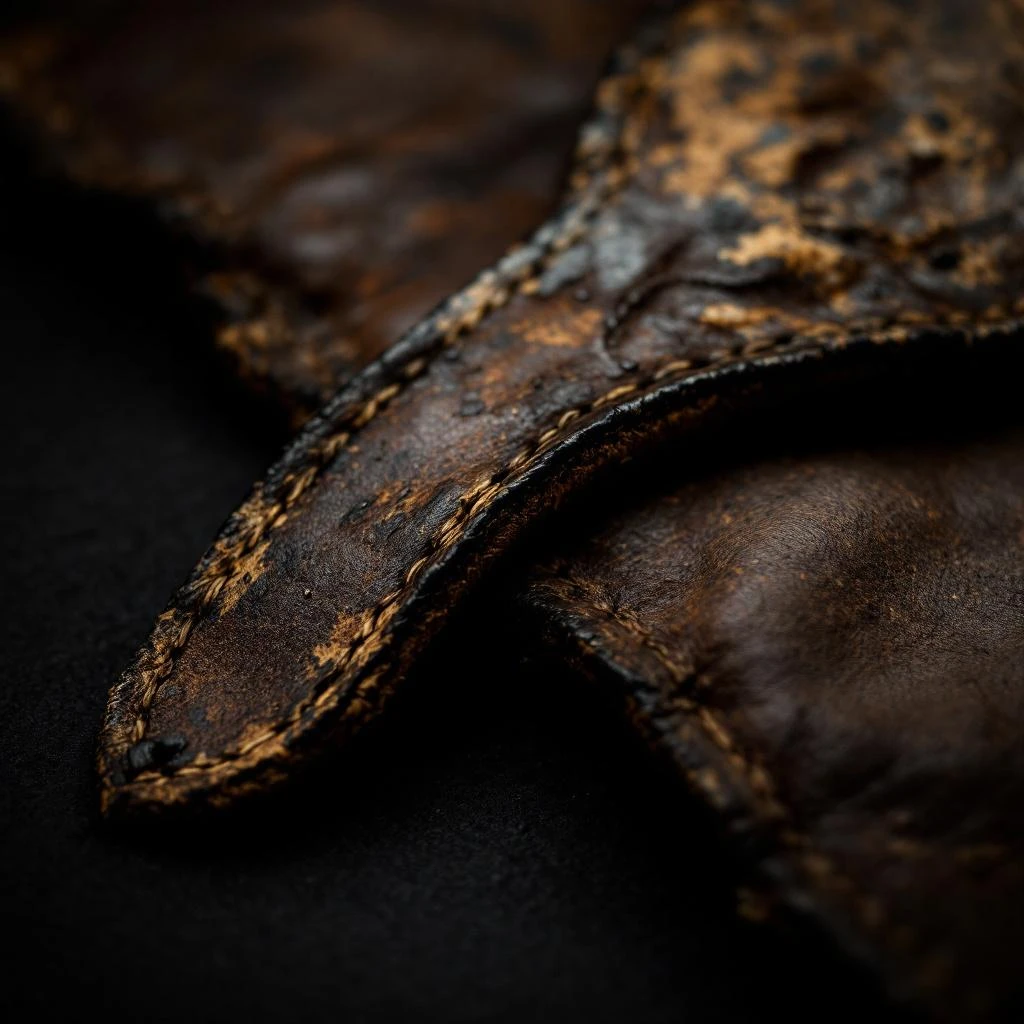
Animalic fixative: controversial, irreplaceable, historic.
African civets are mongooses, not cats. They produce the paste in glands near the tail base, not the anal region as commonly described.
Pairs beautifully with

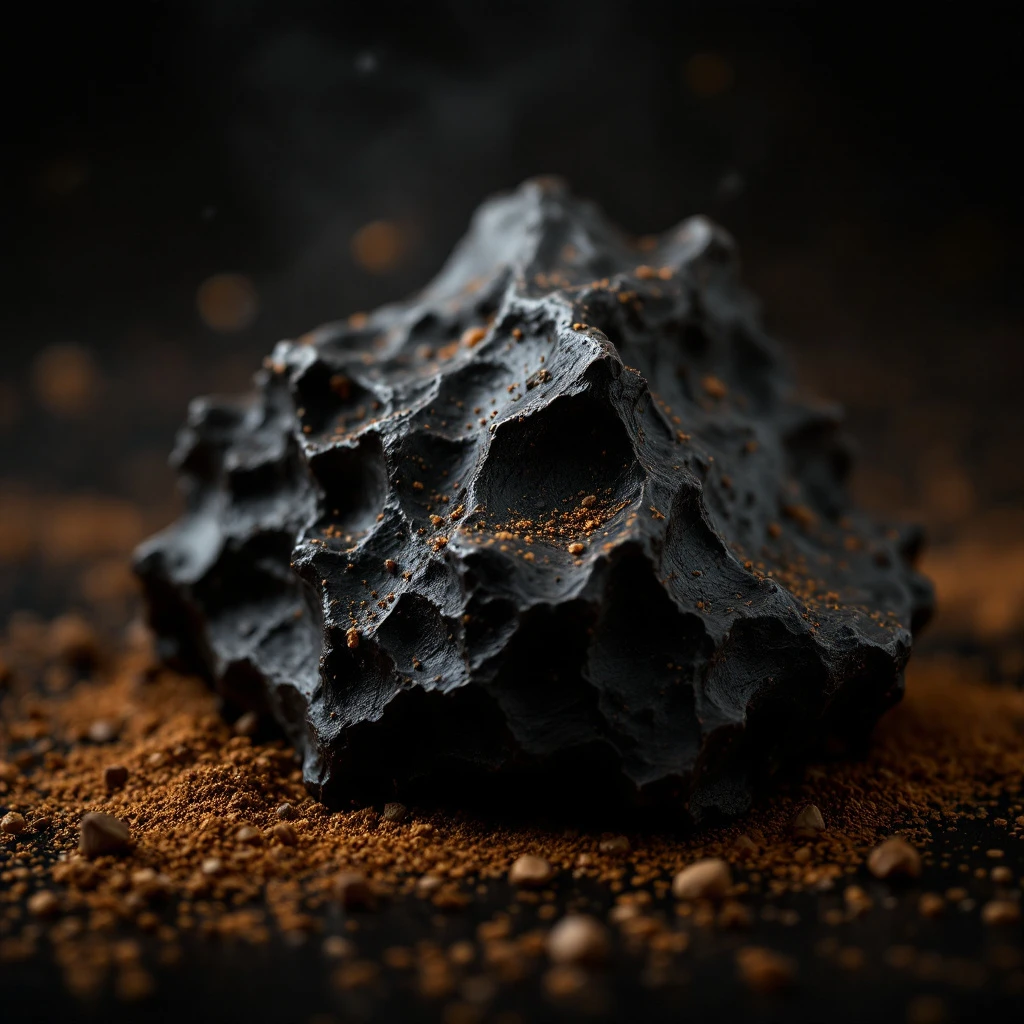
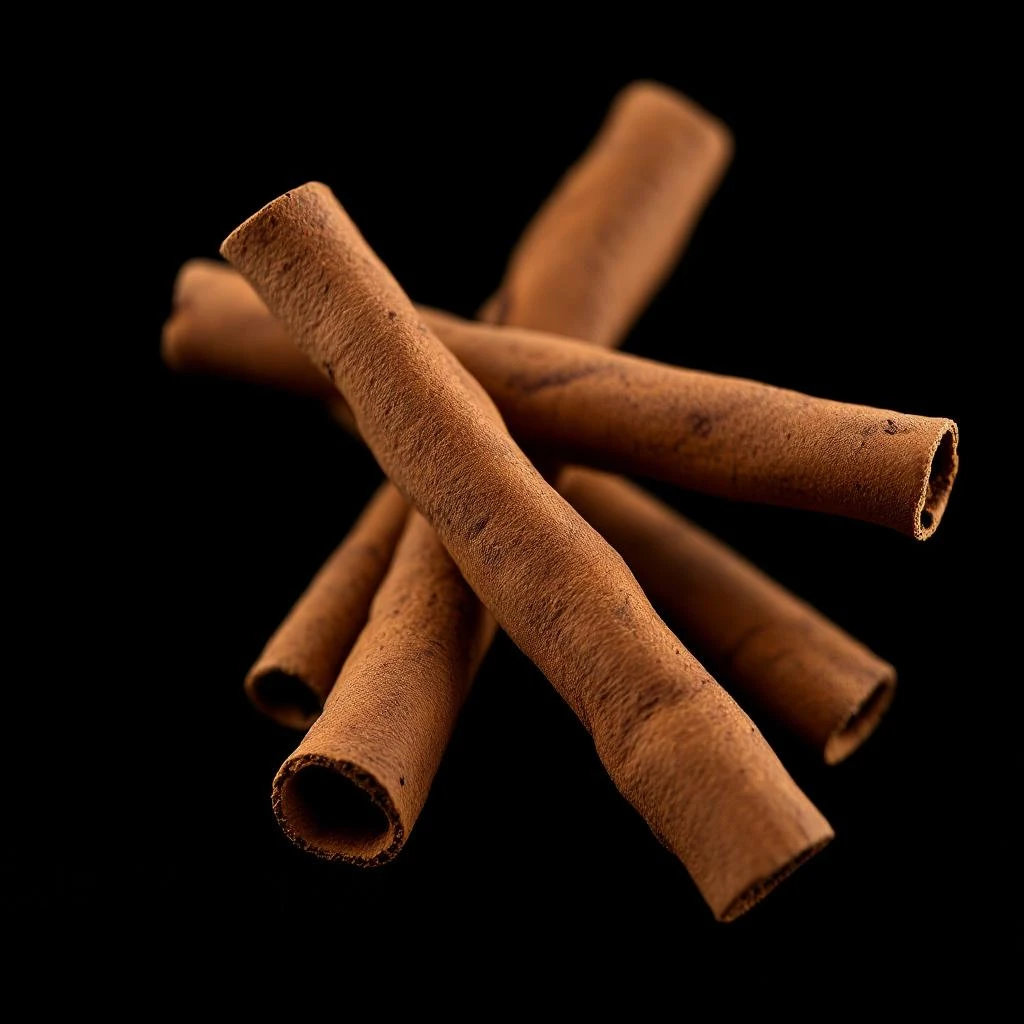
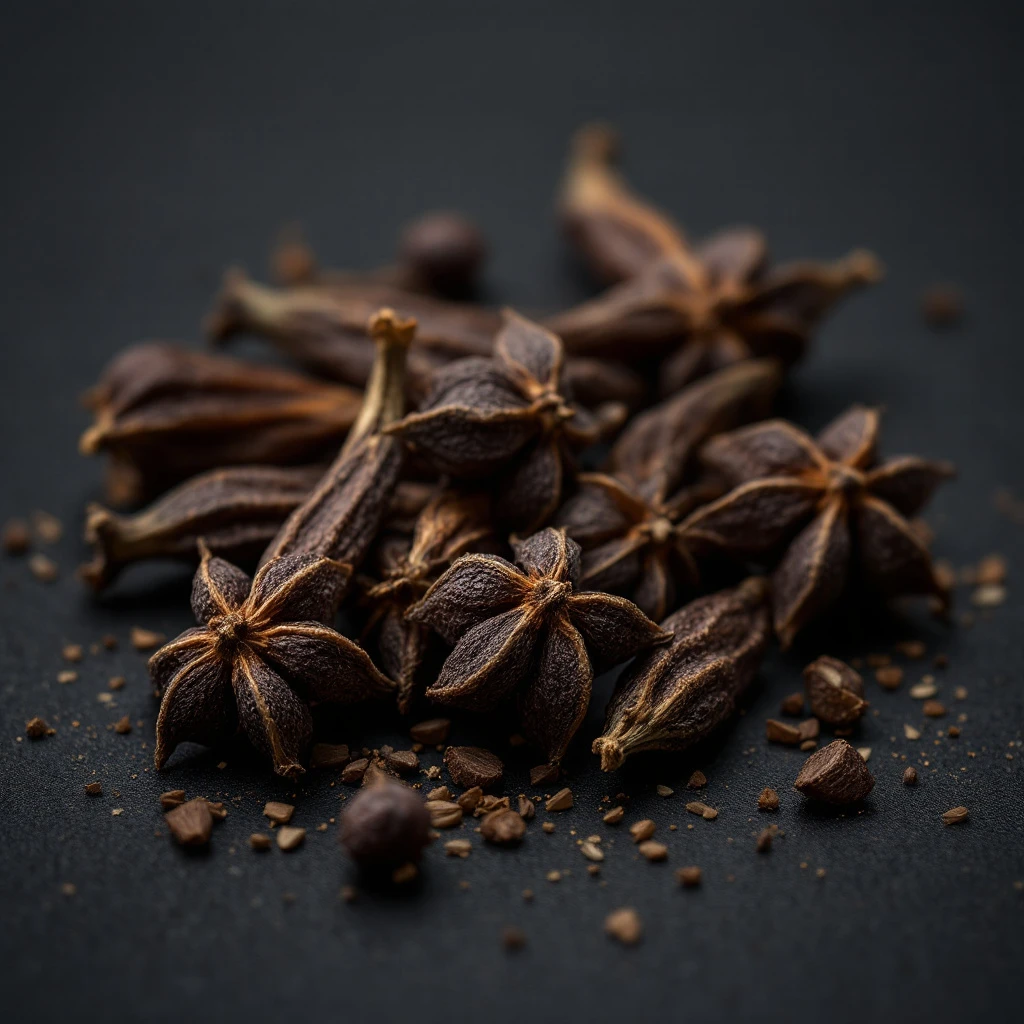
Origin
Ethiopia
The 10th century saw Arabic perfumers pioneer civet's use, recognizing its extraordinary fixative properties that could extend fragrance wear significantly. Ethiopian traders became the primary suppliers, moving civet along overland routes to markets in Egypt and the Levant before European traders accessed it by the Renaissance. By the 18th century, European apothecaries in Amsterdam and Paris kept live civets on-site to extract fresh paste for their perfumery clients.
Beyond fragrance, civet served medical and household purposes: perfuming the harsh treatments common in early medicine, powdering wigs, and scenting snuff. The trade created a network linking Ethiopian highlands directly to the vanity tables of Parisian society, making civet one of the first truly global perfume ingredients. By the early 20th century, it had become a cornerstone of animalic perfumery, lending warmth and longevity to creations that defined the era.
Animal welfare concerns eventually prompted restrictions and the development of synthetic alternatives.
Wears it best
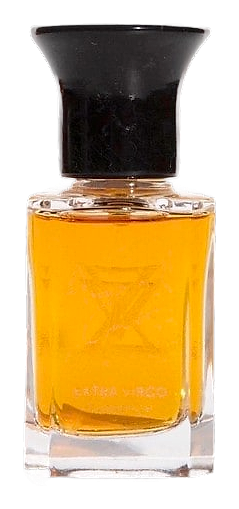
Fragrances featuring Civet Paste
Good to know
Questions, answered
The essentials on Civet Paste in perfumery: how it smells, where it comes from, and how it behaves on skin.
What does civet paste smell like?
Natural civet paste smells intensely animalic and fecal in its raw state. In dilution, it develops warm, musky, leathery facets with a honey-like undertone. Perfumers value its ability to add depth and staying power to floral and oriental compositions.
Where does natural civet paste come from?
Ethiopia remains the classic source for natural civet used in fine perfumery. The African civet produces the secretion in glandular tissue near the tail base, and Ethiopian traders have supplied the global perfume industry for centuries.
How is civet paste harvested?
Keepers collect the paste by scraping the civet's glandular tissue with a wooden spoon. The process occurs every few days and does not require killing the animal. This traditional method has remained largely unchanged for generations.
Is civet still used in modern perfumery?
Natural civet faces strict regulations due to animal welfare concerns. Most commercial perfumery now uses synthetic civetone, a compound that replicates the odor profile without animal involvement. Both materials serve the same functional role as fixatives.
What perfumes historically used civet?
Classic animalic fragrances from the 19th and 20th centuries, including manychypre and oriental compositions, relied heavily on civet. These formulas defined the era's taste for warm, sensual, long-lasting scents before synthetics became standard.
Why was civet valuable in perfumery?
Civet acts as a fixative, slowing the evaporation of lighter fragrance materials. Its complex odor profile also adds animalic warmth and depth that synthetic alternatives took decades to replicate convincingly.
What animals produce civet?
The African civet, Civettictis civetta, is the primary source. Despite its common name, it belongs to the mongoose family Viverridae, not Felidae. Both sexes produce the glandular secretion.
How has civet influenced modern fragrance development?
The difficulty and ethical concerns around sourcing natural civet drove research into synthetic musks and animalic alternatives. This search produced materials like Exaltolide and various synthetic notes that now form the backbone of contemporary perfumery.