Smoked plum
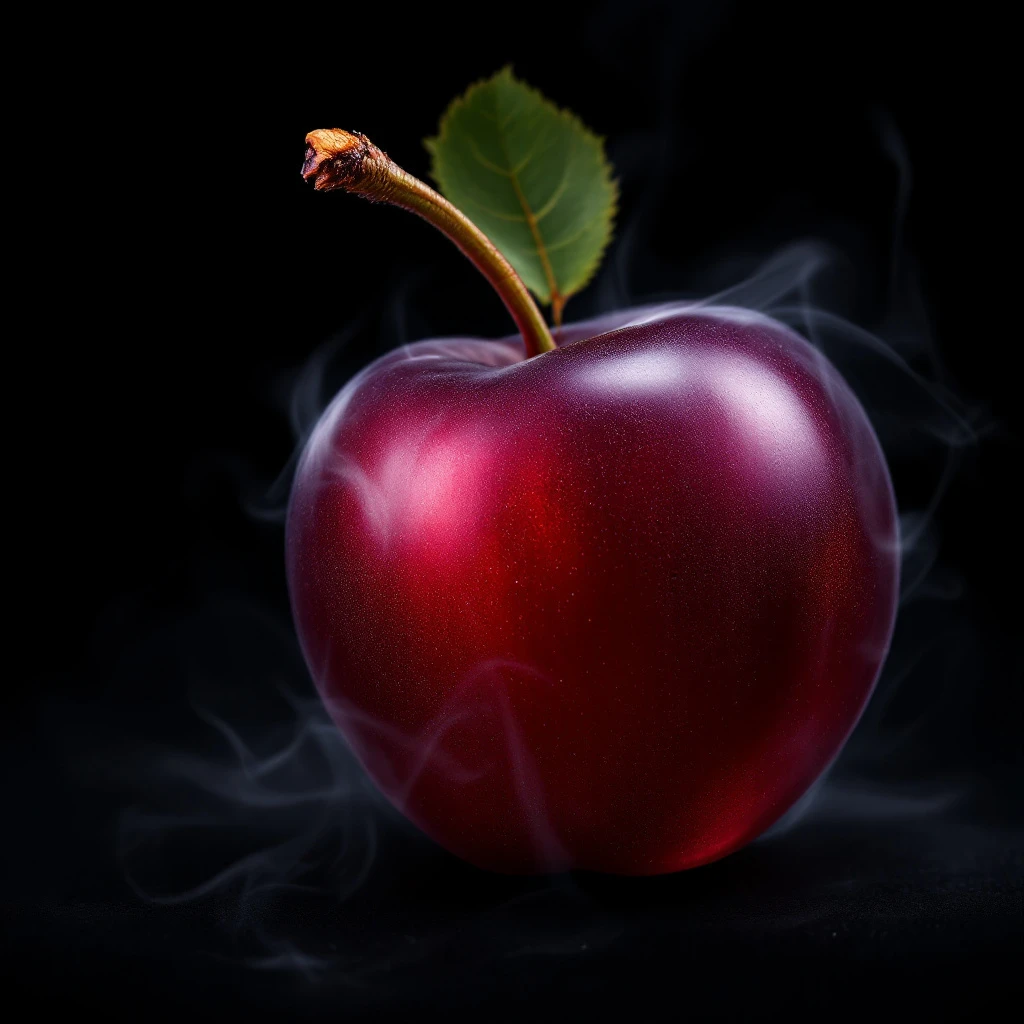
Smoked plum captures the duality of ripe plum sweetness with charcoal and incense undertones. The effect is warm, dark, and mysterious. While true plum absolute exists (CO2 or solvent extracted), perfumers typically use synthetic aromatic molecules to achieve the smoky-fruity character at scale.
Character
How it smells
Where jammy fruit meets smoldering wood.
Umeboshi, Japan's salt-pickled plum, was the original smoked plum: preserved to last, treasured for its intensity.




Origin
Japan
The plum holds deep cultural significance in East Asia, particularly in Japan, where ume (Japanese apricot, often called plum colloquially) has been cultivated and preserved for centuries. Umeboshi, the salt-pickled ume, was among the first preserved foods, allowing communities to store fruit beyond harvest season.
The smoking of plums arose from the practical need to extend shelf life while adding flavor complexity. When perfumery began exploring fruity-smoky territories in the late 20th century, perfumers looked to this tradition of smoked preservation for inspiration.
Smoke in perfumery carries connotations of depth, age, and warmth, qualities that align naturally with the plum's sweet-dark character. Smoked plum became a bridge between culinary tradition and modern fragrance artistry.
Wears it best
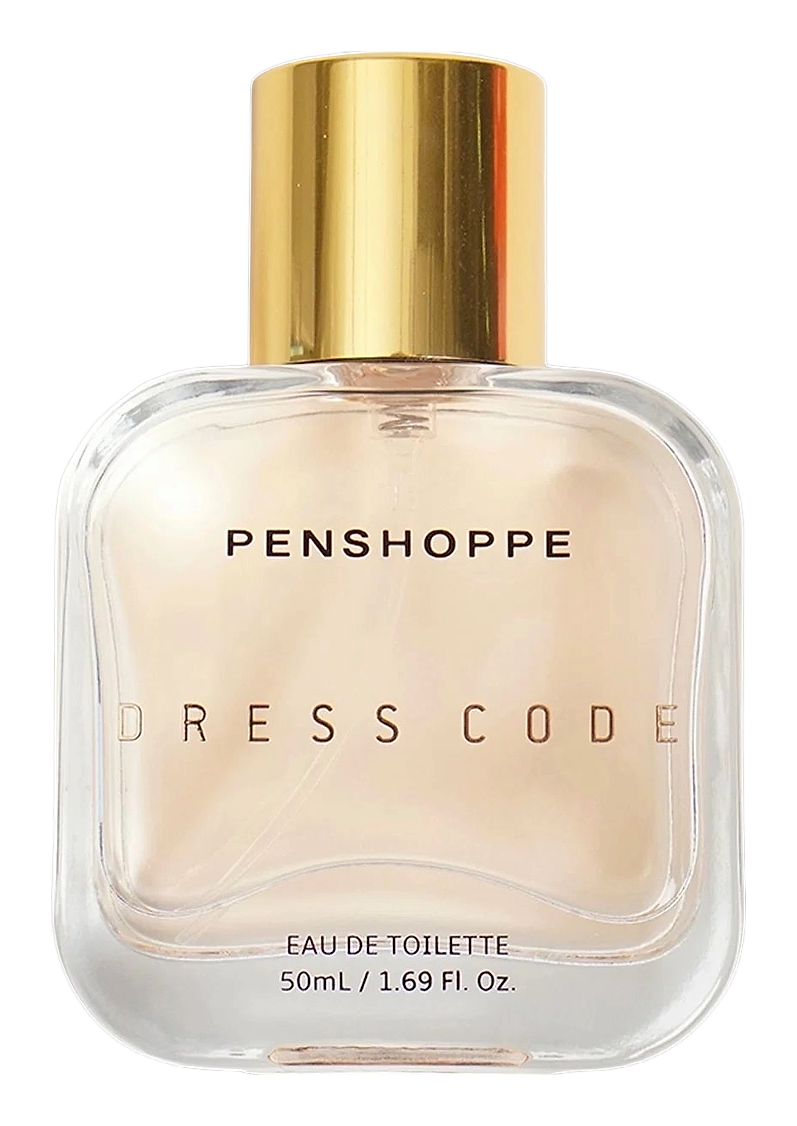
Fragrances featuring Smoked plum
Brands
Brands known for Smoked plum
Good to know
Questions, answered
The essentials on Smoked plum in perfumery: how it smells, where it comes from, and how it behaves on skin.
What does smoked plum smell like?
Smoked plum offers a dual sensory experience: ripe plum sweetness (jammy, dark, wine-like) meets smoky depth (charcoal, burnt wood, faint incense). The combination evokes grilled fruit left over embers. Perfumery recreates this with synthetic molecules like gamma-decalactone for plum and guaiacol for smoke.
Why do perfumers use smoked plum?
Smoked plum bridges warmth and freshness, adding sophisticated complexity to fragrance compositions. It satisfies consumer demand for edible, comforting notes while introducing darker, more mature dimensions. The contrast between sweet fruit and smoky char creates intrigue and counters synthetic sweetness.
Is smoked plum natural or synthetic?
Primarily synthetic. True plum absolute exists but is prohibitively expensive for commercial use, and natural smoke compounds require smoking actual plum material, which is rare. Reconstructed accords combining plum-like and smoky molecules deliver the note consistently at scale.
What molecules create smoked plum?
Gamma-decalactone provides the fatty, peach-plum character. Benzaldehyde contributes an almond-like fruit nuance. For smoke, guaiacol delivers charred wood and BBQ-like warmth, while 2-methoxyphenol adds sweet smoke depth. Blending these creates the full smoked plum effect.
How is smoked plum used in fragrance formulations?
Smoked plum typically serves as a heart-to-base note bridge. It adds warmth to oriental and chypre structures while bringing gourmand appeal to woody compositions. Usage concentration ranges from 0.5% in delicate florals to 5% in bold oriental perfumes.
What does smoked plum smell like compared to fresh plum?
Fresh plum is watery and bright. Smoked plum is deeper, darker, and more diffuse with caramelized and charred dimensions. Where fresh plum suggests summer, smoked plum suggests autumn nights and smoldering fires. It layers easily with woods and resins.
What ingredients pair well with smoked plum?
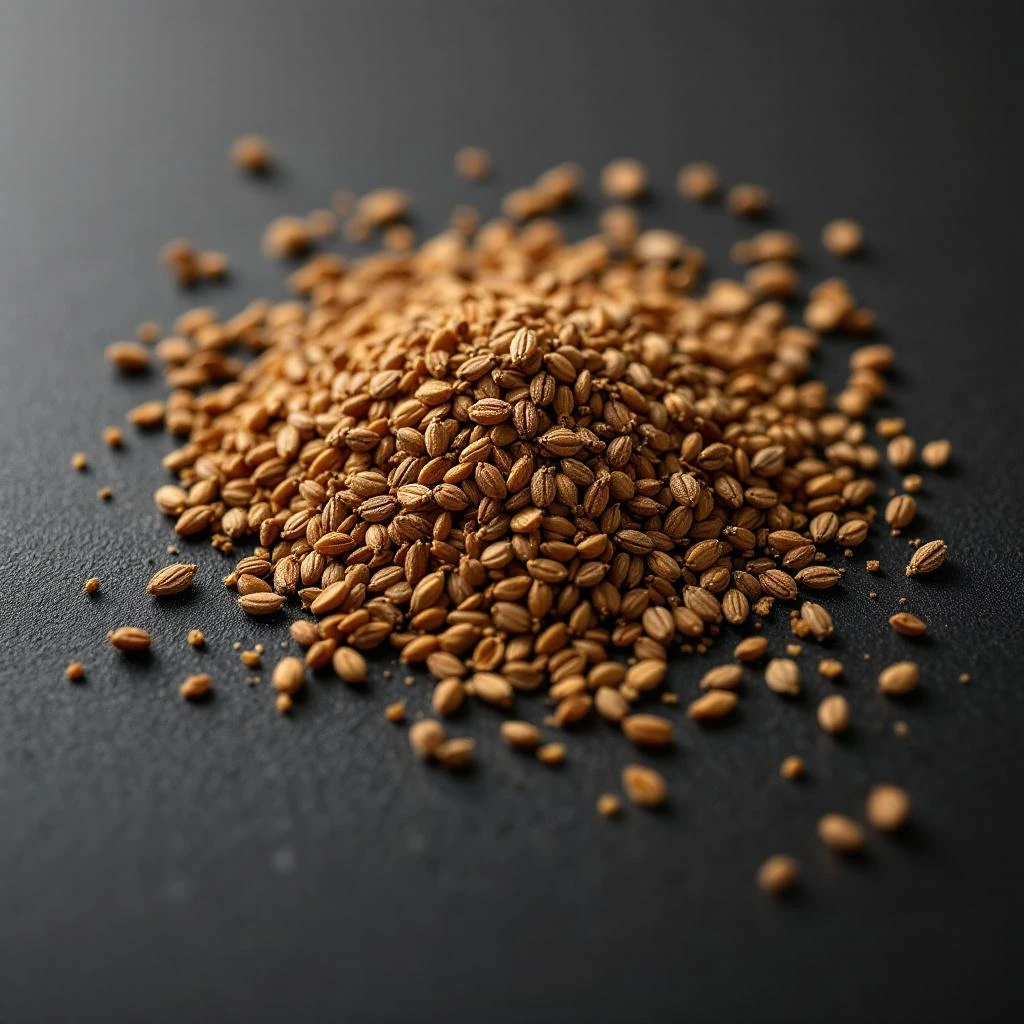
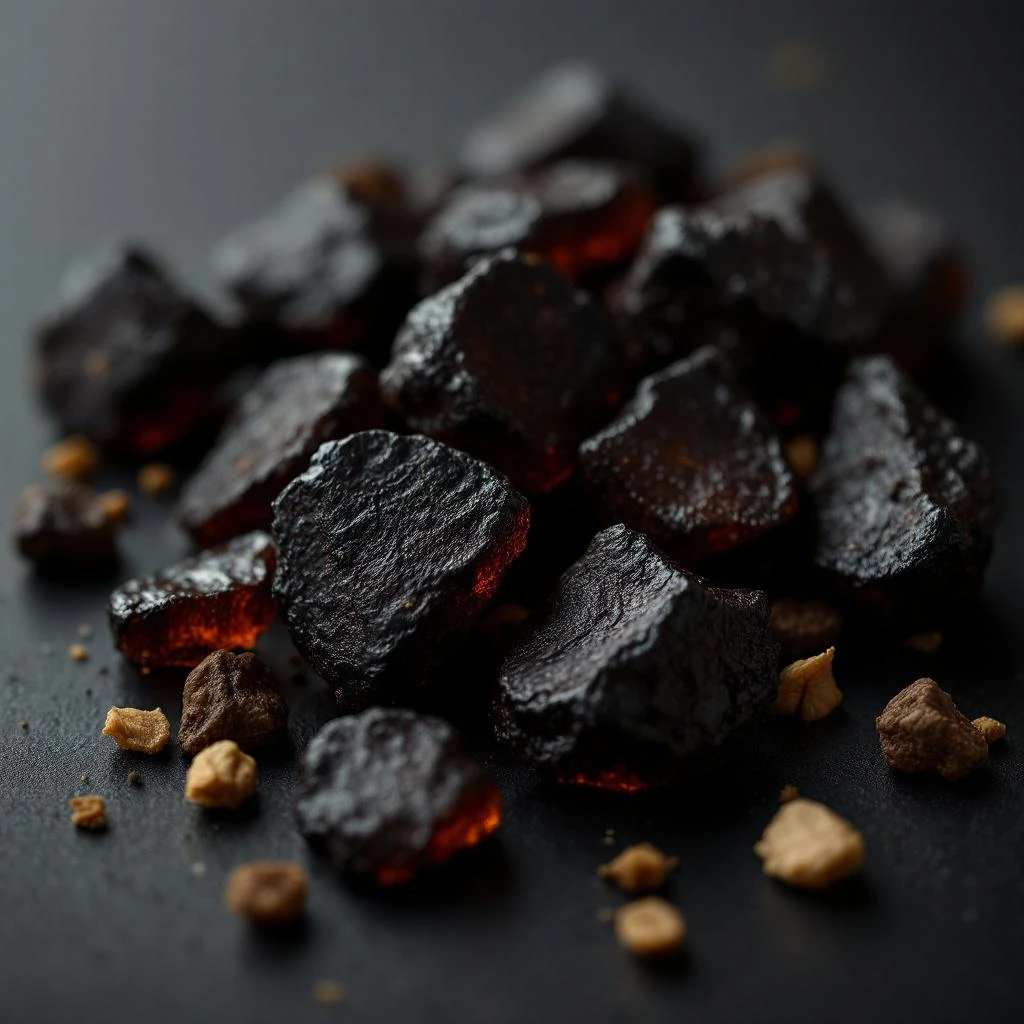
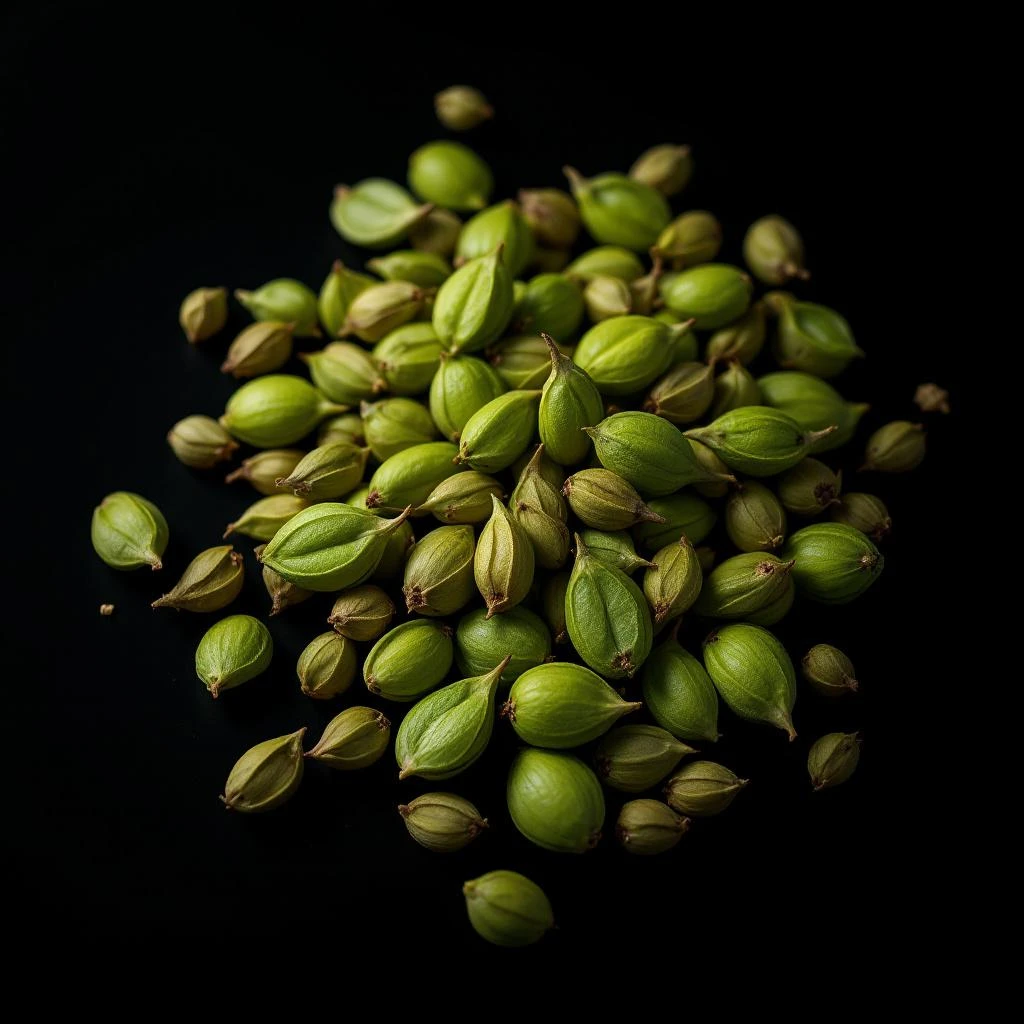
Oud, leather, and incense echo the smoky quality. Vanilla, benzoin, and amber add warmth. Saffron and cardamom introduce contrast. Cedarwood and sandalwood ground the fruit. Pairing guidance: amplify smoke with dark woods; soften smoke with sweet resins.
Which fragrance families use smoked plum?
Oriental fragrances feature smoked plum most prominently, leveraging the warm, intense character. Woody and chypre compositions use it for sophisticated fruit nuance. Occasional appearances in modern florals and gourmand styles add unexpected depth and intrigue.