Sidr Tree Honey
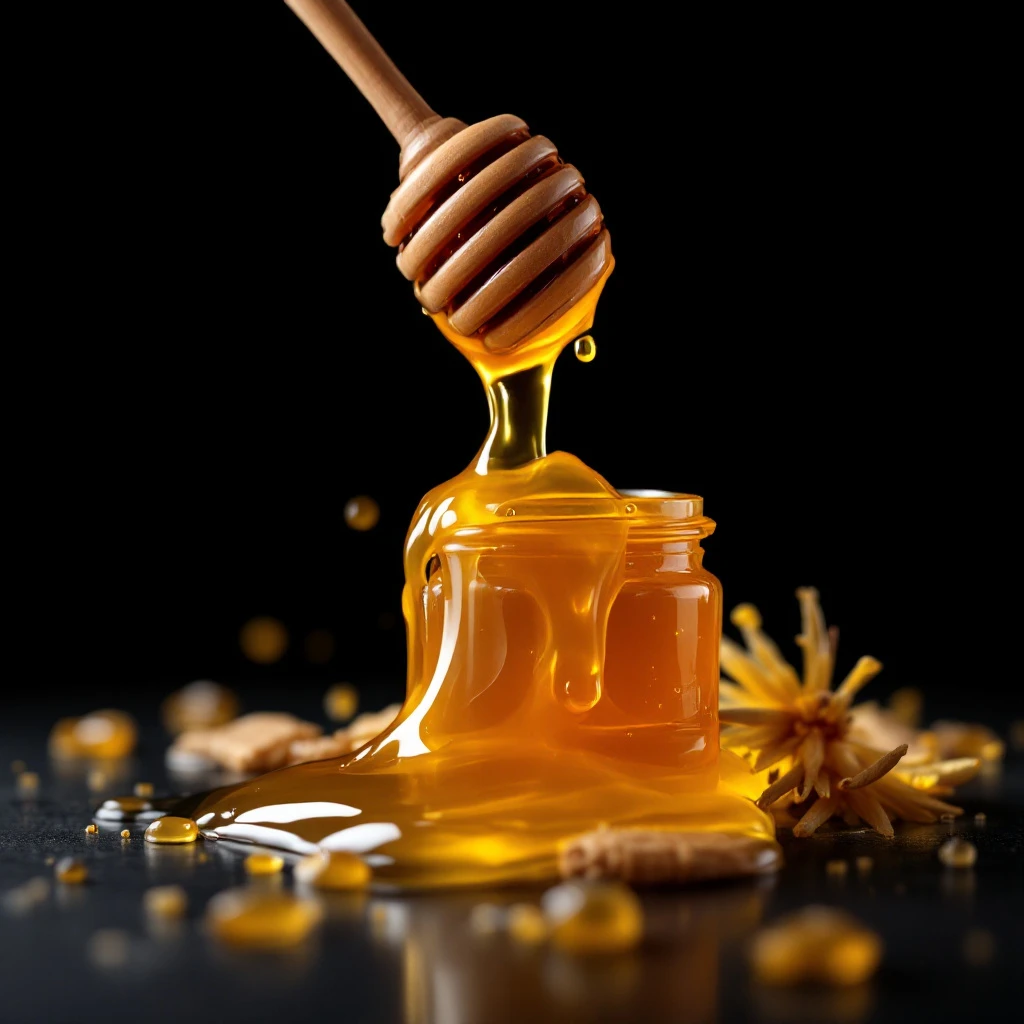
Sidr Tree Honey captures the rare sweetness of bees foraging on the sacred Ziziphus spina-christi tree. Deep amber, resinous, and smoky, it carries centuries of Arabian tradition into every drop.
Character
How it smells
Sacred nectar from the thorny desert tree.
Yemeni Sidr honey ranks among the most expensive honeys on Earth, prized since pharaonic Egypt for its dark, medicinal richness.
Origin
Yemen
The Sidr tree, known botanically as Ziziphus spina-christi, carries deep roots across the Arabian Peninsula, North Africa, and the Levant. Its thorns were said to have crowned ancient harvests, and its blossoms have drawn bees and humans alike for millennia. Egyptian physicians recorded Sidr honey in papyrus remedies over three thousand years ago, valuing its dark density for wounds and digestion.
In Yemen, Sidr honey became known as the food of kings, traded along incense routes that linked Arabia to Mesopotamia and beyond. Omani desert wadis still shelter wild Jashrab bushes, the local name for the same species, where beekeepers pass their craft through generations. By the Islamic Golden Age, scholars including Avicenna cited Sidr honey in medical treatises, cementing its status as both nourishment and cure.
Today it remains a cultural treasure, protected by tradition and scarcity.
Wears it best
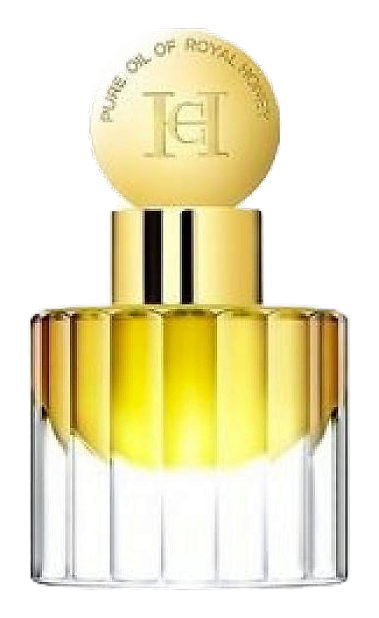
Fragrances featuring Sidr Tree Honey
Brands
Brands known for Sidr Tree Honey
Good to know
Questions, answered
The essentials on Sidr Tree Honey in perfumery: how it smells, where it comes from, and how it behaves on skin.
What does Sidr Tree Honey smell like in perfume?
Sidr Tree Honey lends a dark, resinous sweetness with smoky, almost burnt-sugar undertones. It deepens floral and amber compositions without the bright sharpness of clover honey, adding an earthy, medicinal warmth that lingers on skin.
Is Sidr honey different from regular honey in fragrance?
Yes. Sidr honey is monofloral, produced from Ziziphus spina-christi blossoms alone, giving it a darker color and a more complex, less sugary aroma. Its low water content and high mineral concentration translate into a richer, more resinous character.
Where does Sidr Tree Honey come from?
Sidr Tree Honey originates primarily in Yemen's Hadramout valleys and Oman's desert wadis, where wild Ziziphus spina-christi trees bloom in arid mountain terrain. These regions produce the most prized monofloral harvests due to the tree's ancient, untouched groves.
Why is Sidr honey so expensive?
Scarcity drives the price. The sidr tree blooms briefly each year, often in remote, hard-to-reach terrain, and yields are far smaller than commercial honeys. A single jar can cost several times the price of supermarket honey.
Does Sidr honey have historical significance?
Yes. Ancient Egyptians used it medicinally over three thousand years ago, and Islamic scholars such as Avicenna cited it in classical medical texts. It remains a symbol of heritage across the Arabian Peninsula.
Is the honey note in fragrances natural or synthetic?
Both exist. Luxury houses sometimes use natural Sidr honey absolute, though supply is limited. More commonly, perfumers blend labdanum, beeswax absolute, and synthetic molecules like methyl phenylacetate to recreate the warm, resinous character.
What fragrance families pair well with Sidr honey?
Sidr honey anchors Oriental, Ambery, and Gourmand compositions beautifully. It pairs naturally with oud, frankincense, rose, vanilla, and tobacco, where its smoky sweetness amplifies deeper balsamic and resinous notes.
Are there sustainability concerns with Sidr honey harvesting?
Yes. Overharvesting, deforestation, and the loss of wild Ziziphus spina-christi groves threaten traditional hives. Ethical sourcing programs now work with Yemeni and Omani beekeepers to protect ancient trees and sustain artisanal harvests.